
International

World Growth Forums Magazine

Keynote Speech by Dr Alfredo Sfeir-Younis _ WGF-GBIF Thailand 2024
What Is Trump’s Nuclear Submarine Move About?
Deterrence, Drama, or Dangerous Signaling?
In a move that has sent geopolitical shockwaves across the world, U.S. President Donald Trump announced on August 1, 2025 that he had ordered two nuclear submarines to be “positioned in the appropriate regions.” The announcement came in response to what he called “highly provocative” remarks by former Russian President Dmitry Medvedev.
The escalation marks a new phase in the tense U.S.–Russia standoff over Ukraine, nuclear deterrence, and the politics of ultimatums. While some analysts see it as strategic signaling, others worry that such public declarations risk increasing the chances of miscalculation between two nuclear-armed powers.
So, what exactly happened? Is this military posturing or a serious shift in U.S. defense posture? Let’s break it down.
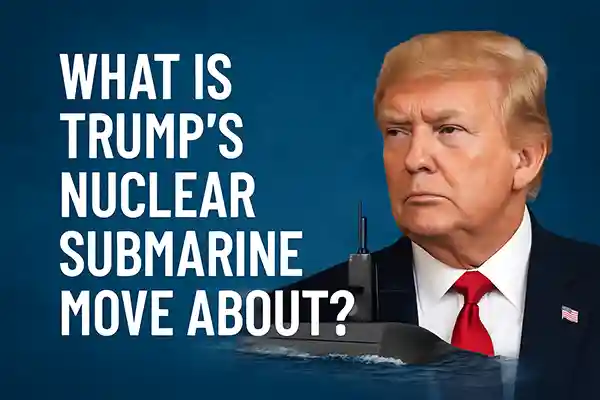
Image 1: Trump’s submarine order raises global alarm – is it strategic deterrence or dangerous messaging?
Click Here to Know More About WGF Felicitations…
What Did Trump Announce and Why Now?
On his Truth Social platform, President Trump stated that he had ordered two nuclear submarines to be relocated to unspecified “appropriate regions.” The move, he explained, was in direct response to recent statements made by Dmitry Medvedev, now deputy chairman of Russia’s Security Council.
“Words are very important and can often lead to unintended consequences,” Trump wrote. “I hope this will not be one of those instances.”
He refrained from specifying whether these were nuclear-powered submarines (used for propulsion) or nuclear-armed ones (capable of launching ballistic missiles), in line with typical military secrecy.
Later, addressing reporters, Trump said, “A threat was made by a former President of Russia. And we’re going to protect our people.”
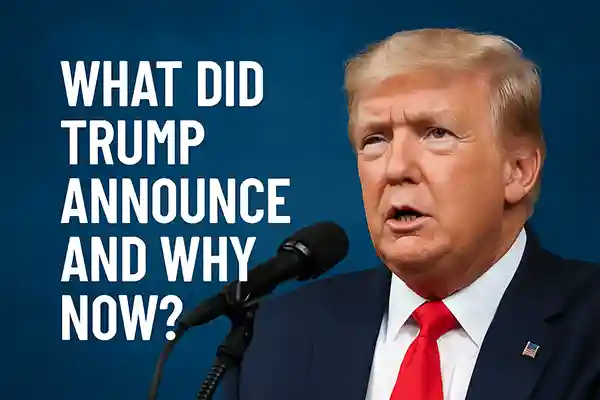
Image 2: Trump cites ‘provocative’ Russian remarks as the trigger – but what’s the true intent behind this move?
Click Here to Read What Is A Ceasefire Agreement…
Who Is Dmitry Medvedev and What Did He Say?
Dmitry Medvedev served as Russia’s President from 2008 to 2012 and is now known for his ultra-hawkish views and frequent inflammatory remarks. Once considered a moderate, he has rebranded himself as a hardliner since Russia’s 2022 invasion of Ukraine.
This week, in response to Trump’s ultimatum to Russia to agree to a ceasefire by August 8 or face harsh tariffs, Medvedev accused the U.S. of engaging in a “theatrical ultimatum game.”
He warned on Telegram of a “dead hand” response – believed to reference Russia’s last-resort nuclear retaliation system. On X, Medvedev claimed “each new ultimatum is a step toward war,” and dismissed Trump’s threats as “empty.”
Trump fired back, calling him “the failed former President of Russia” and warned him to “watch his words.”
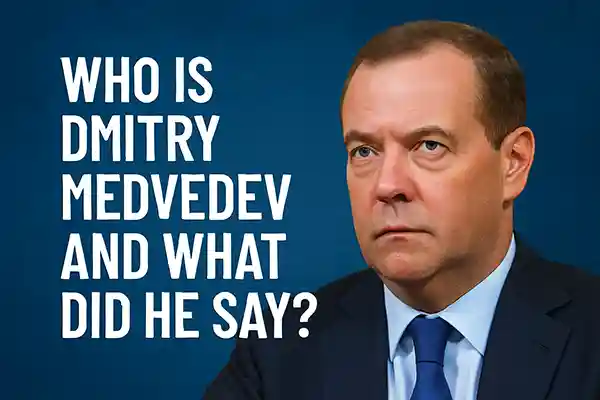
Image 3: From threats to trolling – Medvedev’s war of words with Trump adds fuel to a volatile standoff.
Click Here to Read More under WGF What Is Series…
Is This a Real Military Escalation or Just Political Posturing?
Many military analysts believe this is more rhetorical than operational. U.S. Navy submarines are already deployed globally, including in areas capable of striking Russia.
Hans Kristensen of the Federation of American Scientists noted that U.S. nuclear submarines “are always there” and don’t need to be repositioned.
“This is irresponsible and inadvisable,” said Daryl Kimball of the Arms Control Association. “No leader should be threatening nuclear action, let alone on social media.”
Others call this a high-risk game of signaling. By publicly mentioning nuclear submarines, Trump may be trying to show resolve, but also risks provoking an unpredictable reaction.
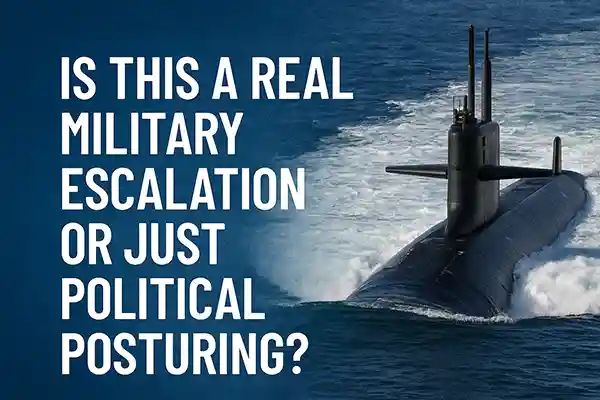
Image 4: Military analysts debate: real escalation or political theater playing out on a global stage?
Click Here to Read WGF Blogs from World Leaders…
How Strong Is the U.S. Submarine Force?
The U.S. maintains 14 Ohio-class nuclear-powered submarines, each capable of carrying up to 24 Trident II D5 ballistic missiles. These missiles can travel more than 4,600 miles and carry multiple thermonuclear warheads.
Typically, 8 to 10 of these submarines are on active patrol at any given time. They form the sea-based leg of the nuclear triad, along with land-based ICBMs and strategic bombers.
The precise locations of U.S. submarines are rarely disclosed to preserve their deterrence value and prevent strategic targeting. Trump’s remarks – while not location-specific – are unusual in their public nature.
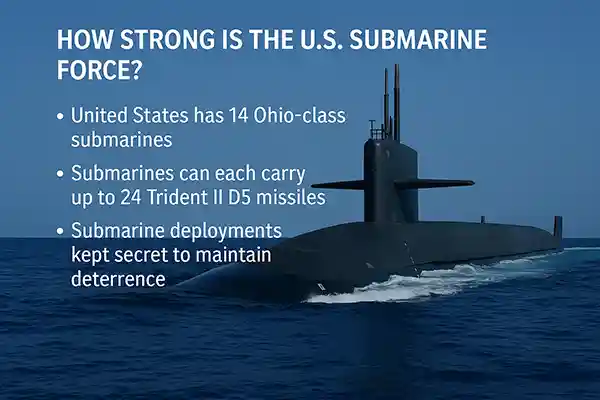
Image 5: The silent giants: How America’s nuclear submarine fleet underpins global deterrence strategy.
Click Here to Watch Keynote Speeches and Interviews of World Leaders at WGF YouTube…
How Did Russia and the World React?
So far, the Kremlin has remained officially silent. However, Moscow’s stock market dropped sharply following Trump’s statements.
Internationally, reactions have ranged from alarm to cautious dismissal. Analysts and former Pentagon officials have emphasized that this is more about “messaging” than actual nuclear mobilization.
“It’s not the beginning of some nuclear confrontation,” said Evelyn Farkas of the McCain Institute. “But it’s still dangerous political theater.”
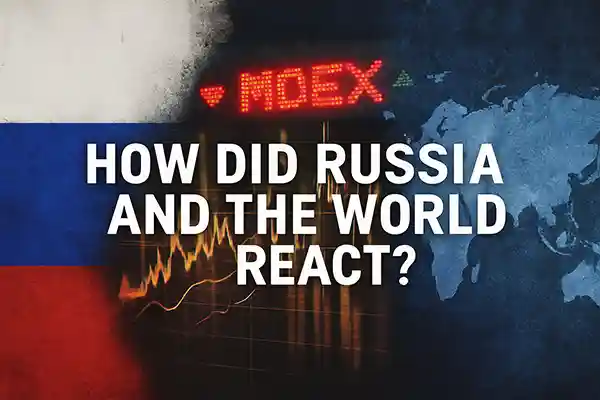
Image 6: Markets tremble, allies respond – the world reacts cautiously to Trump’s nuclear signaling.
Click Here to Watch WGF News on World Leaders at WGF TV…
What’s the Bigger Picture in U.S.–Russia Tensions Over Ukraine?
Trump has increasingly expressed frustration with Russian President Vladimir Putin over the continued war in Ukraine. He has imposed a fresh ultimatum: agree to a ceasefire by August 8 or face severe economic tariffs.
Earlier deadlines had ranged from “10 to 12 days” to “50 days.” But Putin appears unfazed. On the same day as Trump’s submarine announcement, the Russian leader said peace talks were welcome, but added that “momentum is in our favor.”
Trump, once seen as having a cordial relationship with Putin, now accuses him of “bullshit” and condemns the latest Russian attacks on Ukraine as “disgusting.”
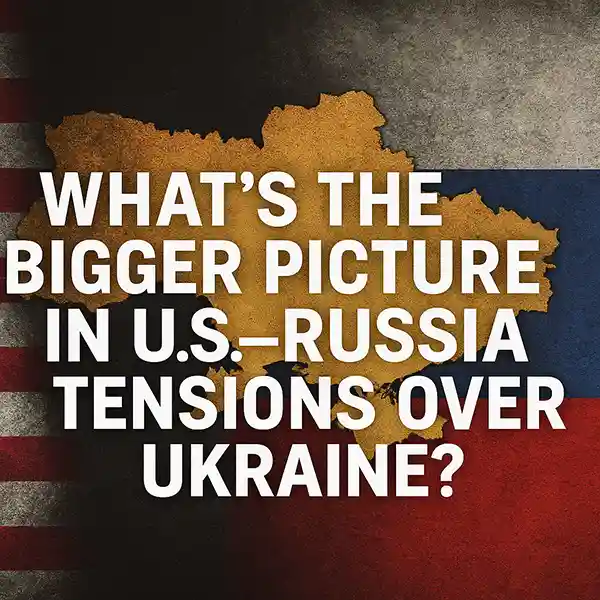
Image 7: At the heart of the standoff: Ukraine’s unresolved war and the pressure on Putin to respond.
Click Here to Read What Is NATO…
Could This Nuclear Talk Spiral into Something More?
While most experts downplay the likelihood of immediate escalation, there’s real concern that careless nuclear signaling – especially on social media – can raise tensions unnecessarily.
Medvedev’s “dead hand” reference and Trump’s submarine order, even if symbolic, feed into a dangerous narrative. Some fear this could lead to a “commitment trap,” where political leaders feel forced to act on their threats.
The U.S. has historically avoided nuclear saber-rattling for this reason, preferring private deterrence over public confrontation.
Image 8: From Cold War fears to modern-day tweets – how nuclear language can dangerously escalate.
Click Here to Read What Is Indian Premier League…
WGF Take: It’s the World Stage, Not a Backyard Brawl – Caution in Words Must Be the First Line of Defense
Trump’s submarine move may be less about immediate military necessity and more about dominating the geopolitical narrative – a high-stakes messaging war with Moscow that plays out as much on digital platforms as it does through diplomatic channels. But in a world already brimming with anxiety over nuclear proliferation, unpredictable leaders, and fragile alliances, invoking nuclear assets – even indirectly – is not just dramatic. It’s dangerous.
This kind of strategic theater might appeal to domestic political bases or online followers, but global nuclear diplomacy cannot afford such theatrics. Language matters deeply in the world of deterrence, and careless public statements can sometimes trigger private panic or force other actors into escalating responses they otherwise would not consider. The notion of ‘just in case’ submarine deployments – especially when broadcast in a casual, social media format – is antithetical to the traditionally cautious, calculated, and confidential nature of nuclear posturing.
While it’s unlikely that either the United States or Russia desires outright war, especially nuclear war, the constant volley of verbal threats and ultimatums increases the probability of unintended consequences. It’s not the declared intentions that spark catastrophe – it’s the misread signals, the misunderstood tone, the accidental escalation. History is full of close calls. The Cuban Missile Crisis was not caused by a deliberate plan for mutual destruction, but by missteps and brinkmanship.
Nuclear deterrence is built on ambiguity, quiet readiness, and back-channel communication – not on front-page provocations and Truth Social posts. It relies on mutual understanding, not mutual trolling. The very act of treating nuclear weapons as props in political theater dilutes their deterrent value and increases the risks of escalation due to perception gaps.
If global stability is to be preserved, it’s imperative that world leaders – especially those in command of the world’s most powerful arsenals – exercise verbal restraint and strategic maturity. These are not schoolyard spats; they are world-altering decisions. In deterrence, perception is everything – and perception, especially when shaped by rash statements and ego battles, can become dangerously volatile.
The message from WGF News is simple: This is the world stage – not a backyard brawl. When nuclear stakes are in play, caution with words must always be the first line of defense.
Follow World Growth Forums on the following for more updates…