
International

World Growth Forums Magazine

Keynote Speech by Dr Alfredo Sfeir-Younis _ WGF-GBIF Thailand 2024
What Is the Trump–Putin Alaska Summit About?
What Are the Stakes for Ukraine Peace Talks?
On 15 August 2025, US President Donald Trump and Russian President Vladimir Putin are set to meet in Alaska for a high-stakes summit aimed at ending the war in Ukraine. The meeting comes more than three years after Russia’s full-scale invasion of Ukraine in February 2022, and just days after Trump hinted at a possible territorial compromise to secure a peace deal.
The high-stakes summit also comes amid mounting speculation about a possible ceasefire deal – one that could involve territorial concessions – and growing pressure from both allies and critics for a breakthrough. For Ukraine, led by President Volodymyr Zelensky, the meeting could either represent a diplomatic breakthrough – a step toward lasting peace, or a dangerous move to decide its fate without its consent – a dangerous diplomatic bypass that ignores Kyiv’s core demands.
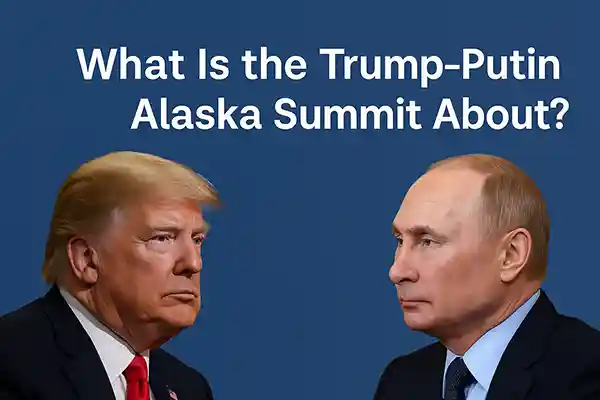
Image 1: The Alaska summit could redefine the trajectory of the Ukraine conflict.
Click Here to Read WGF Blogs from World Leaders…
Background: Why This Meeting Matters Now?
The Alaska summit is the first in-person Trump–Putin encounter since Trump’s return to the White House in January 2025. Trump has made ending the Ukraine war one of his top foreign policy priorities, often suggesting that personal diplomacy can succeed where formal negotiations have failed.
The Alaska summit has been months in the making but gained urgency in recent weeks. Trump had set an 8 August deadline for Russia to agree to a ceasefire or face sweeping secondary sanctions, including tariffs on countries buying Russian oil. While no new sanctions were announced on that date, the meeting with Putin was quickly confirmed – signalling Trump’s preference for direct diplomacy over punitive measures.
For Putin, the meeting offers a chance to buy time while his forces continue a summer offensive in eastern Ukraine. By negotiating now, the Kremlin could hope to secure these positions diplomatically before winter slows the fighting. Meanwhile, Ukraine faces ongoing missile and drone strikes, and its allies worry the conflict could drag into another winter without resolution.
Image 2: Why the timing of this high-stakes meeting matters more than ever.
Click Here to Read What Is Israel’s Gaza City Takeover Plan…
What Is on the Negotiation Table?
Although no official framework has been released, media reports suggest the following possibilities are being discussed:
- Russia could retain the entire Donbas region and Crimea
- Russia might withdraw from parts of Kherson and Zaporizhzhia it partially occupies
- In exchange, Ukraine would halt its NATO membership ambitions and accept a frozen conflict line
While neither Washington nor Moscow has confirmed these details, both sides acknowledge that territorial swaps have been raised. European leaders are being lobbied to accept a compromise, but such a deal would be politically explosive for Kyiv.
Image 3: Geopolitical realities are shaping the urgency behind the Trump–Putin talks.
Click Here to Read More under WGF What Is Series…
What Is the Donbas Region?
The Donbas is an industrial and mining area in eastern Ukraine, made up of Donetsk and Luhansk provinces. It has been a conflict zone since 2014, when Russian-backed separatists seized parts of it following Russia’s annexation of Crimea. Control of the Donbas has symbolic and strategic value for Russia – both as a cultural claim and as a buffer zone between Russia and NATO.
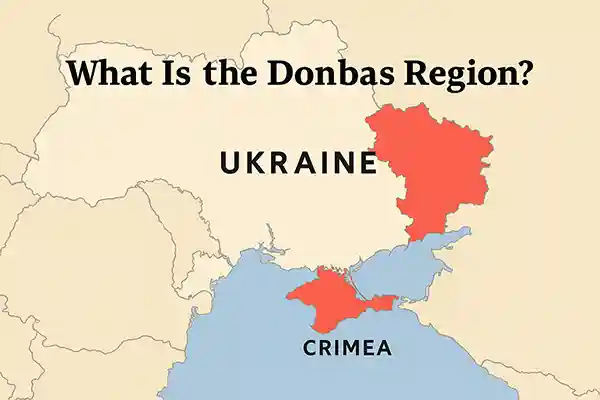
Image 4: Control over the Donbas region remains a central point of contention.
Click Here to Read What Is NATO…
What Is a Territorial Swap?
A territorial swap involves two or more countries exchanging control over specific regions, often as part of a peace settlement. While it can end fighting, it often leaves deep political and emotional scars. In the Ukraine conflict, a swap would likely formalise Russia’s control of some Ukrainian land in exchange for returning other occupied areas.
Critics say such deals reward aggression and set a dangerous precedent; supporters argue they can be a pragmatic step to stop further bloodshed.
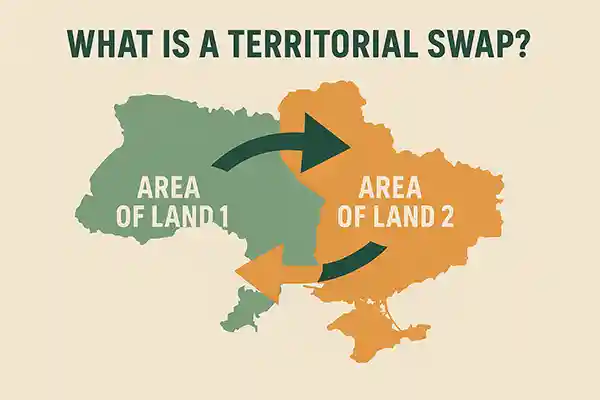
Image 5: Territorial swaps and security guarantees dominate the negotiation agenda.
Click Here to Watch Keynote Speeches and Interviews of World Leaders at WGF YouTube…
Ukraine’s Position: No Peace Without Kyiv
President Volodymyr Zelensky has been clear – Ukraine’s constitution prohibits territorial concessions, and any agreement reached without Ukraine’s direct participation would be “a decision against peace.” Speaking on Telegram, Zelensky said:
“Ukrainians will not give their land to the occupier… We are ready for real solutions that bring peace, together with President Trump and all partners.”
Kyiv’s bottom line remains unchanged: peace must restore its sovereignty and territorial integrity, not formalise Russian occupation.
Ukraine insists on:
- Full restoration of internationally recognised borders
- Inclusion in all peace talks as an equal party
- Security guarantees to prevent future invasions
Zelensky warns that any settlement reached without Ukraine’s involvement would not bring lasting peace – and could even destabilise the region further.
Image 6: Ukraine insists that any peace deal must include Kyiv’s full participation.
Click Here to Watch WGF News on World Leaders at WGF TV…
What Is a Ceasefire?
A ceasefire agreement is a temporary halt to fighting agreed upon by all sides, often as a first step toward a peace treaty. However, ceasefires can fail if there is no enforcement mechanism or if the underlying political disputes remain unresolved. Ukraine has already experienced failed ceasefires with Russia, including short-lived pauses earlier in the war that were violated within days.
Image 7: A ceasefire could halt the fighting – but will it hold without a lasting solution?
Click Here to Read What Is A Ceasefire Agreement…
Possible Outcomes and Scenarios
- Pragmatism and More Talks: Talks in Alaska could result in an agreement to hold further negotiations later this year, freezing current front lines until then. This would stop immediate bloodshed but might entrench Russia’s gains.
- Ukraine Marginalised: A Trump–Putin agreement that sidelines Ukraine could fracture Western unity, embolden Russia, and leave Kyiv with reduced leverage.
- Lasting Peace: Though unlikely, a mutually acceptable deal involving security guarantees, troop withdrawals, and sanctions relief could pave the way for ending Europe’s deadliest conflict since World War II.
- Stalemate and Delay: Talks could yield no substantive progress, simply postponing decisive action until 2026 while fighting continues.
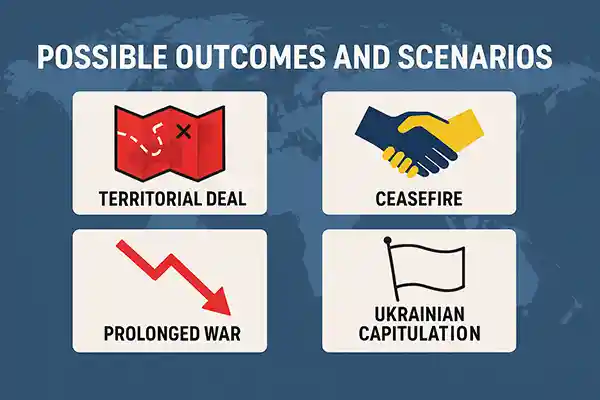
Image 8: Possible scenarios range from frozen conflict to comprehensive peace – or further escalation.
Click Here to Read What Is De-Dollarisation…
International Reactions and Stakes for Global Politics
European leaders have expressed cautious optimism, with Poland’s Prime Minister Donald Tusk hinting that a “freeze in the conflict” may be closer than before. NATO allies are discussing long-term security guarantees for Ukraine, including the deployment of European ‘reassurance forces’ to deter further Russian aggression.
Global markets are also sensitive to the outcome. Any sanctions relief for Russia could lower energy prices, while additional tariffs on nations trading with Moscow – such as the recent 25% tariff on Indian goods – could disrupt global trade.
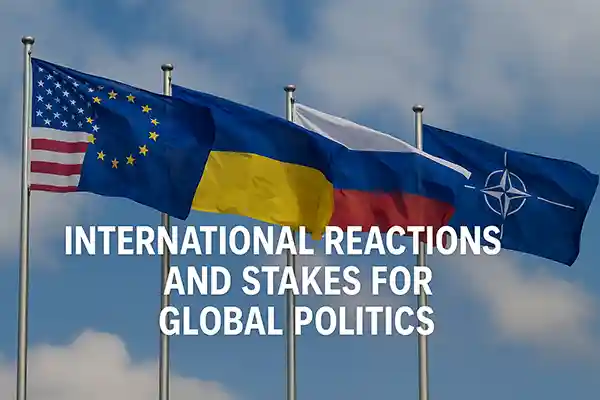
Image 9: World powers weigh in as the summit’s outcome could shift global alliances.
Click Here to Read What Is the Hiroshima Atomic Bombing’s Legacy – 80 Years Later…
WGF Take – All Wars are Bad; Peace is Good; Finding Solutions Is the Only Solution
At WGF News, we believe the Alaska summit could be one of the most consequential diplomatic meetings of the decade. The summit is a moment of both opportunity and risk.
- Opportunity, because direct talks between the two most influential figures in this conflict could create momentum toward ending Europe’s deadliest war since World War II.
- Risk, because bypassing Ukraine in the decision-making process would undermine the legitimacy of any agreement and could plant the seeds for future conflict.
The best-case scenario is a realistic framework for peace that includes Ukraine as an equal partner. The worst-case is a geopolitical shortcut that trades away Ukraine’s sovereignty for the optics of a ‘deal’.
History shows that wars end either when one side is decisively defeated or when both sides find a compromise they can live with. But compromises must be grounded in justice and respect for sovereignty – not imposed at the expense of those whose lives and land are at stake.
All wars bring destruction, loss, and generational trauma. Peace is always better than war, but peace that is forced, unjust, or one-sided rarely lasts. The only sustainable solution is one that addresses the root causes of the conflict, protects human rights, and allows all parties – especially Ukraine – to be part of shaping the future.
As 15 August approaches, the world will be watching whether Trump’s face-to-face diplomacy with Putin delivers genuine progress – or simply resets the stage for the next phase of a war that has already claimed hundreds of thousands of lives.
Follow World Growth Forums on the following for more updates…