
International

World Growth Forums Magazine
Keynote Speech by Dr Alfredo Sfeir-Younis _ WGF-GBIF Thailand 2024
What Is the Kim Keon-hee Scandal?
Why Is South Korea’s Former First Lady in Jail?
On August 13, 2025, South Korea witnessed a political first – the arrest of Kim Keon-hee, wife of jailed former President Yoon Suk Yeol. This marks the first time in the nation’s history that both a former President and a former First Lady are in detention at the same time. Kim, a businesswoman and former First Lady, faces multiple charges including bribery, stock manipulation, and alleged political interference. While she denies all allegations, her case has drawn national and international attention for its unprecedented nature and its implications for public accountability.
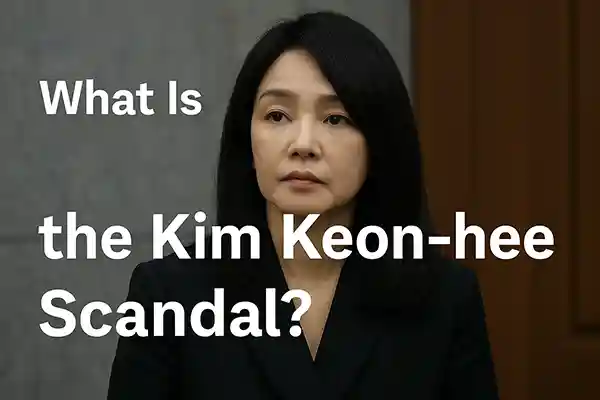
Image 1: An unprecedented moment in South Korea’s political history as a former first lady faces criminal charges alongside her husband.
Click Here to Read WGF Blogs from World Leaders…
Who Is Kim Keon-hee?
Kim Keon-hee, 52, built a career as a fine art curator and businesswoman before entering public life through her marriage to Yoon Suk Yeol. Known for her high-profile public appearances and advocacy on issues such as animal welfare, Kim’s role as first lady was more visible than that of many of her predecessors. She has often been a subject of public interest, both for her professional achievements and for controversies linked to her personal and political associations.

Image 2: From businesswoman and art curator to the country’s most high-profile detainee – the story of Kim Keon-hee.
Click Here to Read What Is Israel’s Gaza City Takeover Plan…
What Are the Charges Against Kim Keon-hee?
The allegations against Kim span several areas:
- Stock manipulation: Authorities allege that Kim made significant profits through a scheme involving the shares of Deutsch Motors, a local BMW dealership, prior to her husband’s presidency
- Bribery: Investigators say she received luxury items, including designer handbags and jewelry, from individuals and organizations allegedly seeking business advantages
- Political interference: Kim is accused of influencing candidate nominations during parliamentary elections in 2022 and 2024
She has denied all charges, and her legal team maintains that the allegations are unfounded.

Image 3: Bribery, stock manipulation, and political interference – the allegations at the heart of the case.
Click Here to Read More under WGF What Is Series…
What is Her Connection to Yoon Suk Yeol’s Downfall?
While Kim Keon-hee’s legal troubles are separate from those of her husband, the timeline of events shows significant overlap. Yoon Suk Yeol, who served as South Korea’s President from May 2022 until his impeachment in April 2025, faced a political crisis after his brief declaration of martial law in December 2024. This move, widely criticized as unconstitutional, led to his removal from office and subsequent arrest.
During his presidency, allegations against Kim were already circulating in the media and political circles. Critics argued that these claims added pressure on Yoon’s administration and contributed to declining public support. Supporters countered that the accusations were politically motivated. Regardless of perspective, the controversies surrounding Kim became intertwined with Yoon’s political narrative, creating a dual crisis for the couple.
Although the charges against Kim relate to actions alleged to have occurred before and during Yoon’s time in office, her case has often been mentioned alongside his in public discussions. This connection has amplified media interest and made their parallel detentions a defining moment in South Korea’s recent political history.

Image 4: Parallel legal troubles have made Kim Keon-hee’s fate closely linked to that of her husband, former President Yoon Suk Yeol.
Click Here to Read What Is NATO…
What Is Martial Law?
Martial law is a temporary transfer of authority from civilian government to the military, typically declared during times of extreme crisis such as war, natural disaster, or civil unrest. Under martial law, military authorities can take control of governance functions, including law enforcement, curfews, and restrictions on movement, with the goal of restoring order and stability.
The specific powers and duration of martial law vary by country and are usually defined in national laws or constitutions. In democratic systems, martial law is considered an extraordinary measure, and its use is often subject to legislative or judicial review to prevent misuse.
In South Korea, the President can declare martial law in cases of national emergency, but such a move must be reported to the National Assembly, which has the power to cancel it. Yoon Suk Yeol’s brief declaration of martial law in December 2024, later revoked by lawmakers, was one of the central events leading to his impeachment.

Image 5: Understanding martial law – the extraordinary measure that played a central role in Yoon Suk Yeol’s political collapse.
Click Here to Watch Keynote Speeches and Interviews of World Leaders at WGF YouTube…
How is Life Behind Bars for a Former First Lady?
Kim is being held at the Seoul Nambu Detention Center in a solitary cell. Reports describe the cell as modest, with a floor mattress, a small desk, and basic facilities. She follows the same routine as other inmates, including standard prison meals and limited outdoor exercise time. Due to her high-profile status, certain logistical adjustments are made to ensure her security and privacy.

Image 6: From the presidential residence to a solitary prison cell – a stark change in the former first lady’s life.
Click Here to Watch WGF News on World Leaders at WGF TV…
What Is the Political and Legal Context?
Her arrest comes under South Korea’s special prosecutor system, which allows for independent investigations into high-profile cases. The current administration, led by President Lee Jae Myung, authorized special investigations into several matters involving the former President and his associates. Legal experts note that the process reflects South Korea’s established mechanisms for investigating public officials, regardless of political affiliation.

Image 7: The special prosecutor system and its role in holding public figures accountable in South Korea.
Click Here to Read What Is A Ceasefire Agreement…
What Is the Public Reaction in South Korea?
Public opinion has been varied. Some view the arrest as a necessary demonstration of the rule of law, while others express concern about the political climate in which such investigations occur. Media coverage has been extensive, focusing on both the legal proceedings and the broader significance of the case.
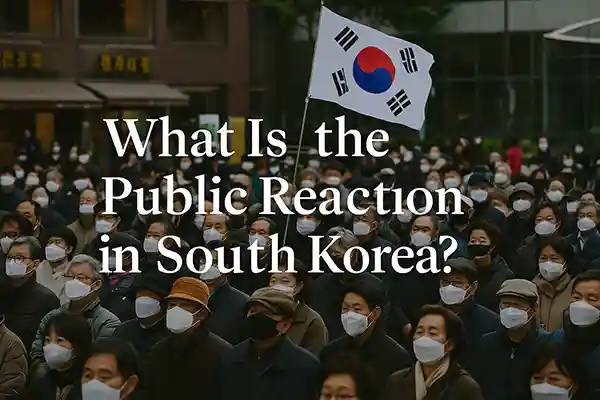
Image 8: Public opinion is divided, with some viewing the arrest as justice served and others questioning the political climate.
Click Here to Read What Is De-Dollarisation…
What Happens Next?
Under South Korean law, prosecutors can hold a suspect for up to 20 days before formally filing charges. Kim is expected to face further questioning during her detention. If indicted, her case will proceed to trial, where evidence will be examined in court. The timeline and eventual outcome will depend on legal procedures and judicial rulings.

Image 9: What lies ahead for Kim Keon-hee as prosecutors prepare for the next phase of the investigation.
Click Here to Read What Is the Hiroshima Atomic Bombing’s Legacy – 80 Years Later…
WGF Take – Beyond the Headlines
The arrest of Kim Keon-hee is not only an unprecedented event in South Korea’s political history but also a reminder of the fine balance between political authority and accountability. The fact that both a former President and former First Lady are in detention at the same time demonstrates the strength of institutional processes in pursuing high-profile investigations, regardless of position or public influence.
From a governance perspective, such cases test the resilience of a country’s democratic and judicial systems. The independence of investigative bodies, the ability to operate free from political interference, and the transparency of legal proceedings all come under heightened scrutiny. For citizens, these processes can reinforce trust in the rule of law – provided that investigations are seen as impartial, evidence-based, and conducted in accordance with due process.
Beyond South Korea’s borders, the case resonates as an example of how modern democracies handle allegations against individuals at the highest levels of power. While the charges remain to be proven in court, the procedural steps taken so far reflect a broader principle: accountability must extend to all public figures, irrespective of their role or past influence.
At the same time, the intense public and media attention surrounding such cases highlights the challenges of balancing transparency with fairness. In an age where narratives can spread quickly and shape perceptions before a trial concludes, the importance of clear communication from judicial authorities cannot be overstated.
For South Korea, the coming months will be a defining period – not only in determining the legal outcomes for Kim Keon-hee and Yoon Suk Yeol but also in demonstrating how a democratic system manages politically sensitive, high-profile prosecutions. Whatever the verdicts, the lessons drawn from this case will likely influence public expectations of political integrity and institutional strength for years to come.
The Kim Keon-hee case stands out not only for its unprecedented nature but also for the questions it raises about transparency, governance, and public trust. While the legal process will determine the facts, the event underscores the importance of independent institutions in upholding accountability. In any democracy, the ability to investigate and prosecute allegations – irrespective of status – is a key measure of institutional strength.
Follow World Growth Forums on the following for more updates…