
International

World Growth Forums Magazine

Keynote Speech by Dr Alfredo Sfeir-Younis _ WGF-GBIF Thailand 2024
What Is the Israel–Palestine War?
As Palestinians flee, Israel pushes deeper into Gaza City – raising questions of strategy, survival, and global fallout
As of 21 August 2025, the Israel–Palestine conflict, one of the world’s most enduring and divisive struggles, has entered another devastating phase. Israeli forces have launched the first stages of a ground assault on Gaza City, forcing thousands of Palestinians to flee their homes. Prime Minister Benjamin Netanyahu insists the operation will “end Hamas’ reign of terror”, but international voices warn of catastrophic humanitarian fallout. With over a million civilians trapped in Gaza City, more than 60,000 reservists called up, and ceasefire talks stalling, the war has once again become the epicenter of global concern.
Image 1: The conflict shaping headlines today has roots spanning decades.
Click Here to Read WGF Blogs from World Leaders…
What Is the Story of Israel’s Gaza City Offensive?
The current chapter of the war can be traced back to October 2023, when Hamas launched a shock assault on southern Israel, killing more than 1,200 people and taking 251 hostages. The attack shattered Israel’s sense of security and triggered a war that has now lasted nearly two years. From the very first days, Israel answered with relentless airstrikes, artillery fire, and ground incursions across Gaza – each round of fighting leaving devastation in its wake, but never bringing the war to an end.
By mid-2025, the conflict had reached a new flashpoint. Gaza City, the largest and most densely populated part of the Strip, became the next target. Israeli troops began moving into neighborhoods like Zeitoun and Jabalia, where they uncovered tunnels, weapons caches, and underground passages used by Hamas fighters. Prime Minister Benjamin Netanyahu, under pressure at home and abroad, announced that he was “shortening the timelines” – urging the army to move faster and capture what he called Hamas’ “last strongholds”.
But Gaza City is not just a battlefield. It is home to more than a million people, many already displaced from earlier fighting. Families packed belongings into carts and vehicles, fleeing bombed-out neighborhoods in search of safety that does not exist. Children went hungry as aid struggled to reach them, while entire communities braced for another round of destruction.
Beyond Gaza, the world’s attention sharpened. France’s Emmanuel Macron warned the offensive risked a ‘permanent war’. The United Nations pleaded for a ceasefire. Aid agencies described the situation as ‘catastrophic’. What Israel views as a strategic necessity, much of the world – and Palestinians themselves – see as an unfolding humanitarian disaster, one that could reshape not only Gaza’s future but the entire Middle East.
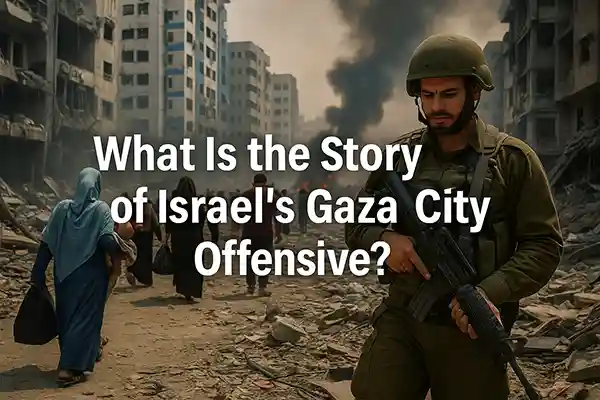
Image 2: Gaza City now stands at the heart of Israel’s latest military push.
Click Here to Read What Is Israel’s Gaza City Takeover Plan…
Did You Know?
Israel
- Israel is one of the few countries in the world that made its desert bloom – pioneering drip irrigation technology now used worldwide
- Hebrew, once considered a ‘dead language’, was revived in the 19th–20th centuries and is now the national language of Israel
- Israel has the most museums per capita of any country in the world
Did You Know?
Gaza
- Gaza was once a thriving stop on ancient trade routes linking Egypt and Mesopotamia
- The world-famous Gaza strawberries, known as ‘red gold’, are exported to Europe when borders are open
- Archaeologists in Gaza have uncovered mosaics dating back to the Byzantine era, revealing its long cultural history
Did You Know?
Palestine
- Jericho, in the West Bank, is often called the world’s oldest continuously inhabited city – dating back more than 10,000 years
- Palestinian embroidery (tatreez) was added to UNESCO’s Intangible Cultural Heritage list in 2021
- The Palestinian city of Bethlehem is traditionally considered the birthplace of Jesus Christ
Did You Know?
Hamas
- The word Hamas in Arabic means ‘zeal’ or ‘enthusiasm’
- Hamas emerged in 1987 during the First Intifada as an offshoot of the Muslim Brotherhood
- Despite its political and military role, Hamas also runs schools, charities, and social programs in Gaza
Click Here to Read What Is NATO…
What Is the Historical Story of the Israel and Palestine Conflict?
Ancient Roots
The Israel–Palestine story begins thousands of years ago, long before today’s headlines. In antiquity, the land of Canaan was home to Semitic tribes who later formed the kingdoms of Israel and Judah around 1000 BCE. Jerusalem stood at the center of their political and spiritual life. Over centuries, the region fell to empires – Assyrian, Babylonian, Persian, Greek, and Roman.
In 70 CE, the Romans crushed a Jewish revolt, destroyed the Second Temple in Jerusalem, and scattered much of the Jewish population across the world. To erase Jewish ties to the land, they renamed it Palestine, after the ancient Philistines. This was the beginning of centuries of layered claims – spiritual, cultural, and political – over the same territory.
Medieval Shifts
In the 7th century CE, Muslim armies conquered the region, establishing Jerusalem as the site of the Al-Aqsa Mosque and Dome of the Rock, Islam’s third-holiest sites. Under Islamic rule, Jews, Christians, and Muslims coexisted, though often unequally. The medieval Crusades added another layer of bloodshed as European Christians seized, then lost, Jerusalem in fierce battles with Muslim leaders like Saladin.
Despite changing rulers, the land remained a sacred heartland for all three Abrahamic religions. It was never simply a piece of territory – it was identity itself.
The Birth of the Modern Conflict
The present-day conflict emerged much later, in the late 19th century. Persecuted in Europe, Jews turned to Zionism, a political movement calling for a return to their ancestral homeland. At the same time, Palestinian Arabs, both Muslim and Christian, were shaping their own national identity and rejecting mass Jewish immigration.
After World War I, Britain assumed control of Palestine under a mandate. In 1917, the Balfour Declaration pledged British support for a Jewish homeland in Palestine, igniting Arab opposition. Tensions grew as both communities prepared for conflicting futures in the same land.
Partition and the Nakba
In 1947, the United Nations proposed dividing Palestine into separate Jewish and Arab states. Jews accepted the plan; Palestinians rejected it as unjust. When Israel declared independence in 1948, surrounding Arab states invaded. Israel not only survived but expanded its territory. For Palestinians, the war was the Nakba (‘catastrophe’), as over 700,000 were displaced from their homes and villages.
Occupation and Resistance
The 1967 Six-Day War brought another turning point. Israel captured Gaza, the West Bank, and East Jerusalem – areas Palestinians saw as the core of their future state. Israeli settlements soon spread into these territories. Palestinians resisted through political struggle, guerrilla warfare, and eventually two uprisings – the First Intifada (1987) and Second Intifada (2000). Each uprising underscored the frustrations of occupation and statelessness.
The Failed Peace and Rise of Hamas
In the 1990s, the Oslo Accords briefly promised peace and a ‘two-state solution’. But hopes collapsed amid assassinations, renewed violence, and mistrust. By 2007, Palestinian politics split when Hamas took control of Gaza, while Fatah governed the West Bank. Since then, repeated wars, blockades, and failed negotiations have locked both peoples into an endless cycle of violence.
The Conflict Today
Today’s war in Gaza is the latest chapter in this centuries-long story. At its core remain the unresolved questions: Who owns the land? Who controls Jerusalem? Can refugees return? What is the future of Israeli settlements?
The Israel–Palestine conflict is not just about borders. It is about identity, history, and the competing memories of two peoples who both see the land as home. Every new battle – like Gaza City today – is part of a struggle that began long before modern politics and continues without resolution.
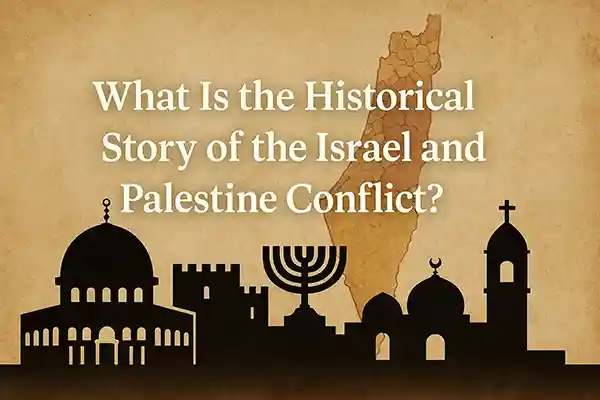
Image 3: The Israel–Palestine struggle is not new – it’s a story of history, identity, and land.
Click Here to Watch Keynote Speeches and Interviews of World Leaders at WGF YouTube…
Why Is Gaza City Central to the War?
Gaza City is Hamas’ power base, filled with command centers, tunnels, and fighters. For Israel, controlling it means crippling Hamas’ military and political influence. But Gaza City is also the largest urban area in the Strip, home to schools, hospitals, refugee camps, and cultural life. Its fall would not only be military – it would reshape Palestinian society and identity.
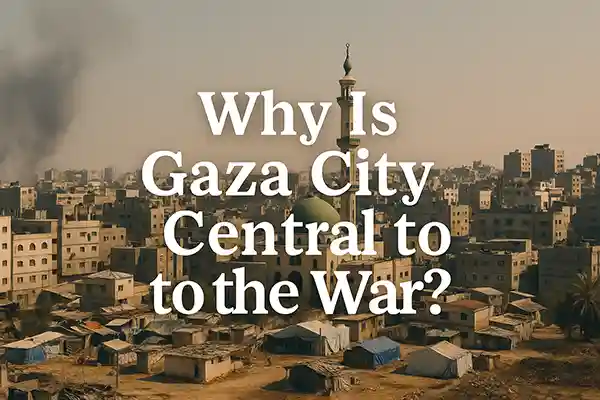
Image 4: Why Gaza City? Its dense population makes it both a battleground and a humanitarian crisis.
Click Here to Watch WGF News on World Leaders at WGF TV…
What Are the Humanitarian Stakes?
The UN warns that nearly one-third of Gaza’s children are malnourished. Hospitals face shortages of medicine, fuel, and electricity. The Red Cross describes the situation as ‘catastrophic’. Hundreds of thousands are being displaced again, with no safe shelter in sight. The offensive also threatens the safety of hostages still held in Gaza. For Palestinians, the assault deepens despair; for aid groups, it risks an irreversible humanitarian breakdown.
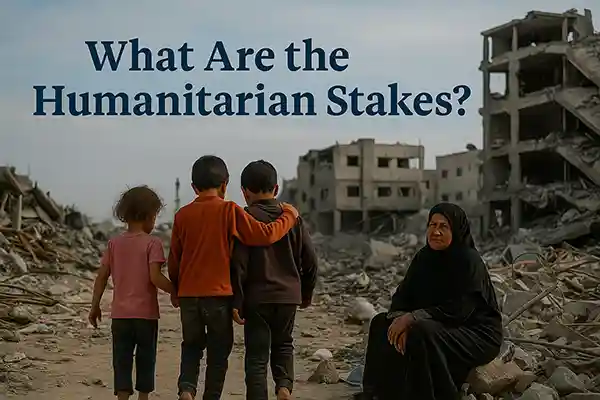
Image 5: Beyond politics, it’s ordinary families who bear the heaviest cost of war.
Click Here to Read What Is A Ceasefire Agreement…
Can Israel Sustain This Offensive?
After almost two years of continuous war, Israel’s army faces exhaustion. Reservists have been called up repeatedly, morale is dropping, and political debates over drafting ultra-Orthodox men have intensified. Military experts warn urban combat in Gaza could be long and bloody, while polls show rising discontent among Israelis. What Netanyahu sees as a final push may stretch Israel’s military and political limits.
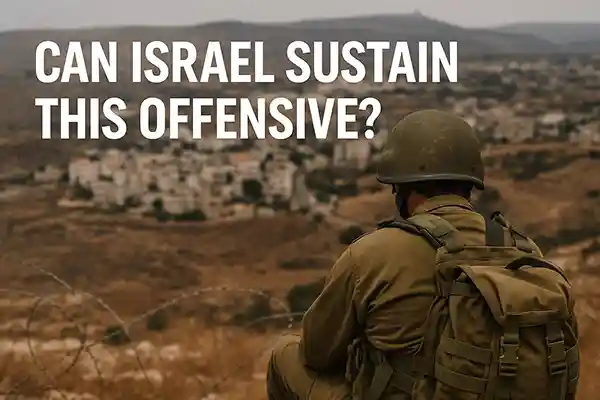
Image 6: Can Israel sustain a drawn-out campaign without straining its own society?
Click Here to Read What Is De-Dollarisation…
How Is the World Reacting?
France’s President Emmanuel Macron has warned of ‘permanent war’. The UN calls for an immediate ceasefire. Egypt and Qatar have proposed a 60-day truce – accepted by Hamas, but not yet by Israel. Meanwhile, public opinion is shifting: a new poll shows most Americans now support Palestinian state recognition. Global patience with this war appears to be running thin.
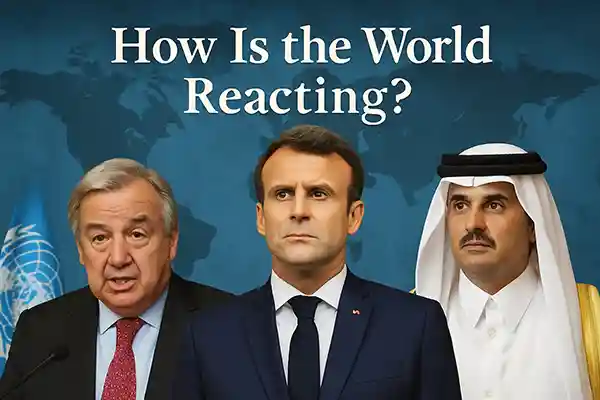
Image 7: From the UN to global capitals, the world’s response reveals deep divisions.
Click Here to Read What Is the Hiroshima Atomic Bombing’s Legacy – 80 Years Later…
So, What Is the Current Israel and Palestine War?
This war is not a single event – it is a prolonged cycle of violence, siege, and retaliation. What began as Israel’s response to Hamas’ October 2023 attack has turned into Israel’s longest war. The Gaza City offensive symbolizes not just another battle, but a deeper struggle over land, identity, and security that continues to defy resolution.
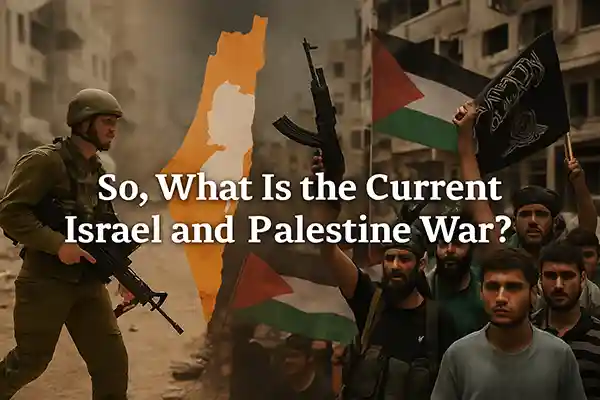
Image 8: The current war is not an isolated flare-up but part of a much larger struggle.
Click Here to Read What Is the Trump–Putin Alaska Summit About…
What Is Hamas?
Hamas is an Islamist political and militant group that has governed Gaza since 2007. It is designated a terrorist organization by Israel, the US, and the EU. While it provides social services in Gaza, its armed wing carries out attacks against Israel. Hamas’ survival is tied to both resistance against Israel and its grip on Gaza’s political life.
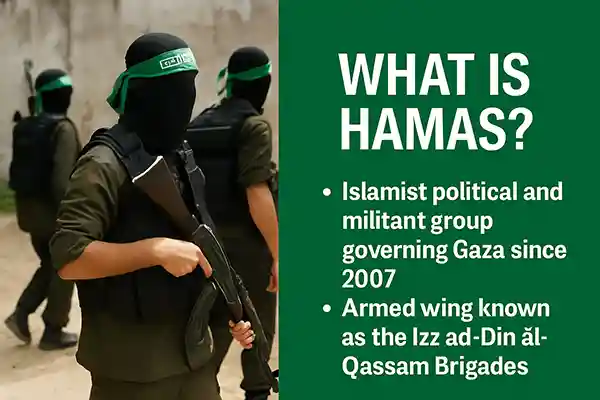
Image 9: Hamas is at once a political actor, a militant group, and a symbol of resistance to some.
Click Here to Read What Is the Russian Volcano Eruption After 500 Years…
What Is the Fight for the Middle East?
The Israel–Palestine conflict is also a proxy battlefield. Iran backs Hamas, while Israel is supported by the US and parts of Europe. Regional powers like Egypt, Qatar, and Saudi Arabia play mediator roles. The war is not only about land – it is about influence, ideology, and who shapes the future of the Middle East.
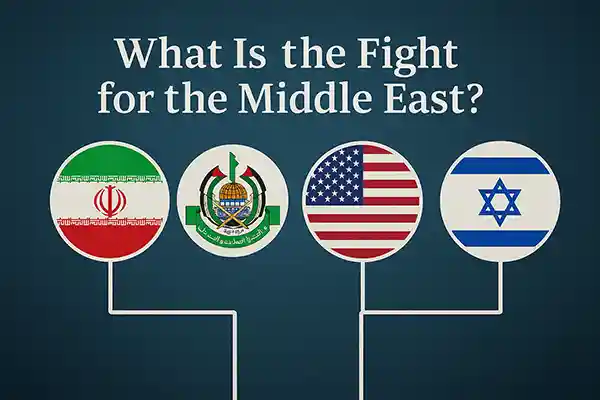
Image 10: The conflict is more than local – it’s a fight tied to the balance of power across the Middle East.
Click Here to Read What Is Coral Bleaching…
What Is IDF?
The Israel Defense Forces (IDF) is Israel’s military, comprised of conscripts, reservists, and professional soldiers. Known for its advanced technology and intelligence capabilities, the IDF is central to Israel’s security strategy. Yet, in this war, it faces unprecedented strain – manpower shortages, internal dissent, and the challenges of urban combat.
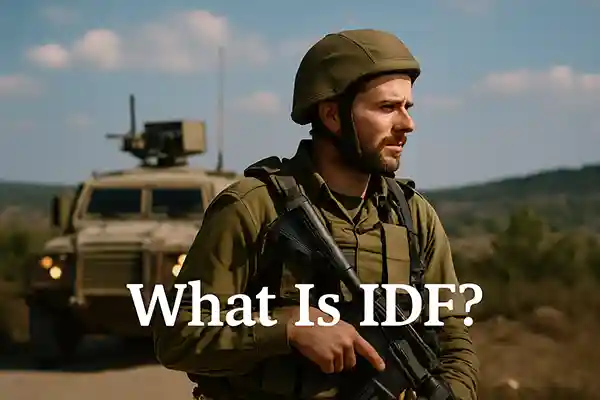
Image 11: Israel’s army, the IDF, sits at the core of both its defense and its controversies.
Click Here to Read What Is Botox…
Who Are Reservists?
Reservists are former soldiers who have completed Israel’s compulsory military service and can be called back into duty during wars or emergencies. They make up the majority of the Israel Defense Forces (IDF) in times of conflict, allowing the army to expand rapidly beyond its small active-duty core. In the current Gaza City offensive, over 60,000 reservists – ordinary citizens like teachers, doctors, and engineers – have been recalled, highlighting both the strength and the strain of Israel’s reliance on this system.
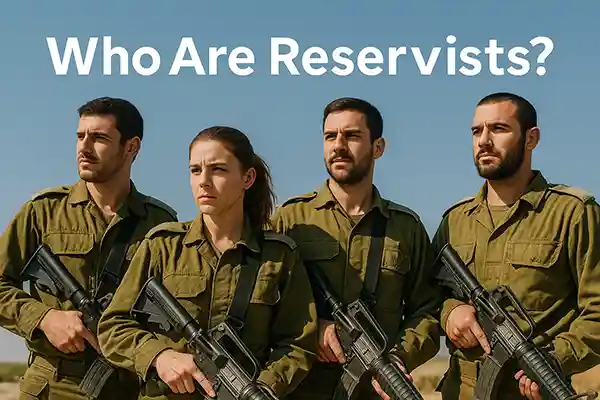
Image 12: Ordinary citizens turned soldiers – reservists show how deeply war touches everyday life.
Click Here to Read What Are Wildfires…
Who Are Israelis?
Historically, the term ‘Israelites’ referred to the ancient people of the kingdoms of Israel and Judah, whose stories are preserved in Jewish, Christian, and Islamic traditions. They traced their heritage back thousands of years to the land of Canaan, with Jerusalem as their spiritual and political center. Over centuries, these Jewish communities endured conquests, exile, and dispersal under empires such as the Babylonians and Romans. Despite living across Europe, North Africa, and the Middle East, Jews maintained a strong cultural and religious connection to the land they called Israel.
In the modern era, the word ‘Israeli’ refers to citizens of the State of Israel, established in 1948. Today, Israel is home to more than 9 million people, including Jews from across the globe – Ashkenazi (European), Sephardi (Spanish, North African), and Mizrahi (Middle Eastern) communities – as well as Arab citizens (Muslim and Christian), Druze, Bedouins, and others. While united in national identity, Israelis remain divided along political, religious, and cultural lines. Some envision lasting peace through compromise, while others see continued struggle as necessary for survival. This mix of ancient roots and modern diversity defines who Israelis are today.
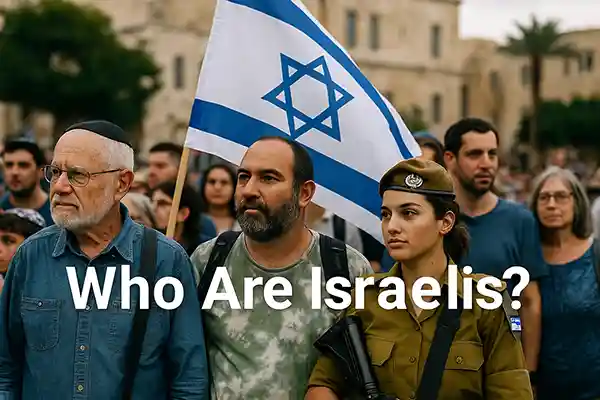
Image 13: Israelis are a mosaic of identities – diverse yet bound by statehood.
Click Here to Read What Is a Papacy…
Who Are Palestinians?
Historically, the people of Palestine were the diverse inhabitants of the land stretching between the Mediterranean Sea and the Jordan River. For centuries, this included Arabs, Jews, Christians, and others living under successive empires – Roman, Byzantine, Islamic Caliphates, Crusader, Ottoman, and finally the British Mandate. The term ‘Palestinian’ was used broadly for anyone living in the region of Palestine, regardless of religion or ethnicity. Over time, however, the Arab Muslim and Christian communities of the land developed a distinct cultural identity tied to their language, traditions, and deep-rooted connection to the land.
In the modern sense, Palestinians are an Arab people whose national identity crystallized during the 20th century, particularly under British rule and in response to rising Jewish immigration and the creation of Israel in 1948. Today, Palestinians live in the West Bank, Gaza, and East Jerusalem, as well as across the diaspora – millions displaced in Jordan, Lebanon, Syria, and beyond. For Palestinians, identity is not only about land but also about shared experiences of dispossession, survival, and resilience. Their struggle is framed as much around dignity, recognition, and the right of return for refugees as it is around statehood and sovereignty.
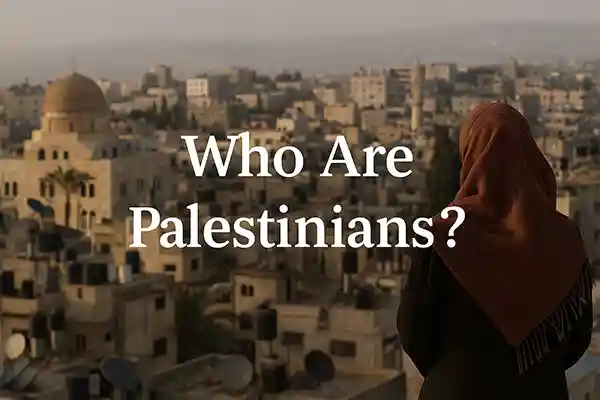
Image 14: Palestinians see their struggle as one of dignity, recognition, and return.
Click Here to Read What Is Plastic Pollution…
Why Do Iranians and Israelis Fight?
Historically, Iran and Israel were not always enemies. Under the Shah of Iran (before the 1979 Islamic Revolution), the two countries maintained covert but friendly relations. Both saw themselves as non-Arab powers in a largely Arab Middle East, and both were close to the United States. Israel even had diplomatic ties and trade with Iran, and the Shah quietly supported Jewish immigration and allowed oil exports to Israel.
Everything changed after the Iranian Revolution of 1979, when Ayatollah Khomeini came to power. The new Islamic Republic adopted a staunchly anti-Israel stance, declaring Israel an ‘illegitimate state’ and a ‘usurper of Muslim land’. Iran broke ties with Israel and began supporting armed groups opposed to Israel, most notably Hezbollah in Lebanon and later Hamas in Gaza. From Tehran’s perspective, resistance to Israel became both an ideological principle – defending Muslims and Palestinians – and a strategic way to expand influence across the region.
In the modern sense, Israel sees Iran as an existential threat, particularly because of its support for anti-Israel militias and its nuclear ambitions. Israel has carried out cyberattacks, covert operations, and assassinations of Iranian nuclear scientists to prevent Tehran from obtaining a nuclear weapon. Iran, meanwhile, continues to use Hezbollah, Hamas, and other allies as proxy forces against Israel.
Thus, what began as a pragmatic relationship in the mid-20th century has transformed into one of the Middle East’s most bitter rivalries – a struggle that turns every conflict in Gaza or Lebanon into a potential regional war between Israel and Iran.
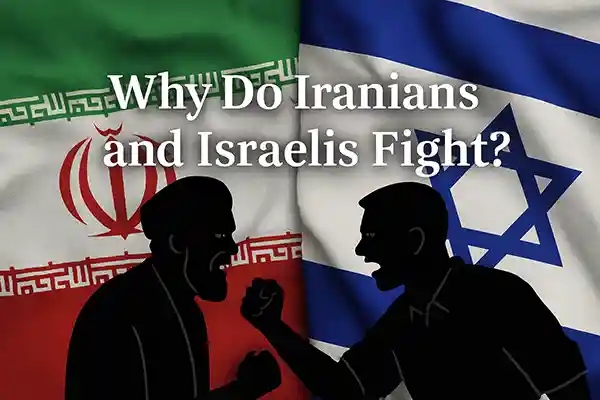
Image 15: The Iran–Israel rivalry turns local wars into regional flashpoints.
Click Here to Read What Is a Bitcoin – The Story…
What Is Hezbollah?
Hezbollah is a powerful Shi’a Muslim political and militant group based in Lebanon, formed in the early 1980s during the Lebanese Civil War. Its creation was directly tied to the Iranian Revolution of 1979 and Iran’s Revolutionary Guard, who helped train and fund the movement. Hezbollah’s stated mission has long been ‘resistance’ against Israel, especially after Israel’s invasion of southern Lebanon in 1982.
Over the years, Hezbollah has grown into both a militia and a political party. It runs social services, schools, and charities in Lebanon, but it is also heavily armed – with an arsenal of rockets, drones, and fighters trained in guerrilla and conventional warfare. The United States, Israel, and many Western nations classify Hezbollah as a terrorist organization, while supporters in Lebanon and Iran see it as a defender of Arab and Muslim causes.
In the current Israel–Palestine war, Hezbollah plays a shadow role. Based just across Israel’s northern border, it has carried out rocket and drone attacks in solidarity with Hamas. This raises fears of a two-front war for Israel: one in Gaza against Hamas, another in Lebanon against Hezbollah. If Hezbollah escalates, the conflict could expand from a localized battle in Gaza to a regional war involving Iran, Syria, and beyond.
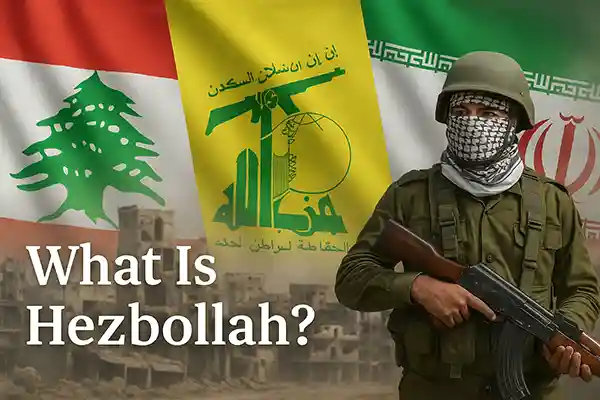
Image 16: Hezbollah is more than a militia – it is a state within a state in Lebanon.
Click Here to Read What Is the Kim Keon-hee Scandal…
What Is the Role of United Nations, International Community and Red Cross in the Israel–Palestine War?
The United Nations has consistently called for a ceasefire, the delivery of humanitarian aid, and the protection of civilians. The international community, however, remains divided – with many Western states often backing Israel, while much of the Global South expresses stronger support for Palestine. The International Committee of the Red Cross (ICRC) has concentrated its efforts on securing the release of hostages, ensuring humanitarian access, and minimizing civilian suffering. Together, these actors represent the conscience of the world, though their actual influence is limited by geopolitics, power struggles, and veto powers within institutions like the UN Security Council.
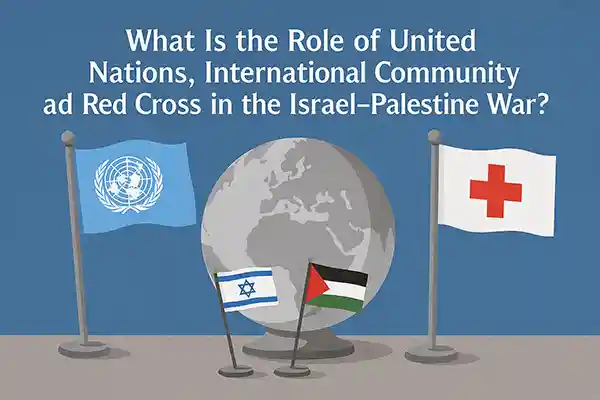
Image 17: Global actors call for peace, but geopolitics limits their power to enforce it.
WGF Take – How Can War Be A Permanent Solution for Peace?
Israel’s Gaza City offensive is not simply a military campaign – it is a test of endurance, strategy, and moral limits. For Palestinians, the assault risks turning their largest city into rubble, worsening an already unbearable humanitarian nightmare. For Israel, the push threatens to overstretch its army, fracture its politics, and deepen its global isolation.
History shows that insurgencies rarely end with military victories alone. If this operation continues without a viable political solution, it may achieve neither peace nor security – only prolonged suffering. Gaza City is not just another battlefield; it is the flashpoint that could decide whether the region moves toward resolution or sinks into a cycle of endless war.
We must remember that wars are often fought in the name of peace, yet they rarely deliver it. Israel seeks security; Palestinians seek dignity and statehood. But neither side can truly win through destruction alone. A permanent solution requires addressing root causes: borders, refugees, recognition, and coexistence.
If peace is to be real, it cannot be imposed by bombs or blockades – it must be built on justice and compromise. Until then, Gaza City’s tragedy will repeat itself in endless cycles. True peace is not the absence of war – it is the presence of fairness, dignity, and dialogue.
Follow World Growth Forums on the following for more updates…