
International
World Growth Forums Magazine

Keynote Speech by Dr Alfredo Sfeir-Younis _ WGF-GBIF Thailand 2024
What Is the Hiroshima Atomic Bombing’s Legacy – 80 Years Later?
Why the World Still Fears Nuclear War in 2025?
Eighty years ago today, on August 6, 1945, the world witnessed the dawn of the nuclear age as the United States dropped the first atomic bomb in human history on the Japanese city of Hiroshima. Today, on August 6, 2025, the city – and the world – marks this haunting anniversary with remembrance, reflection, and renewed warnings.
While survivors and world leaders gather at Hiroshima Peace Memorial Park, the shadow of that mushroom cloud still looms. From Ukraine to Gaza, from Iran to North Korea, nuclear tensions continue to rise. Hiroshima’s legacy is not just a story of the past – it is a warning for the future.
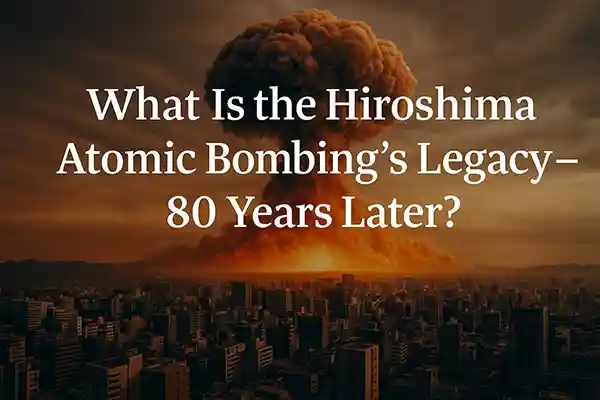
Image 1: Eighty years on, Hiroshima still compels the world to confront the deadly legacy of nuclear warfare.
Click Here to Know More About WGF Felicitations…
What Happened in Hiroshima 80 Years Ago?
On August 6, 1945, at exactly 8:15 a.m., the U.S. bomber Enola Gay dropped a uranium bomb nicknamed ‘Little Boy’ over Hiroshima. In a flash, the city was devastated.
- 78,000 people died instantly
- Over 200,000 perished from radiation, injuries, and illness in the following years
- A second bomb dropped on Nagasaki three days later led to Japan’s surrender and the end of World War II
Hiroshima’s geography – surrounded by mountains – intensified the bomb’s effect. The explosion unleashed temperatures of 4,000°C (7,200°F) and a wave of radiation that reshaped lives and global politics forever.
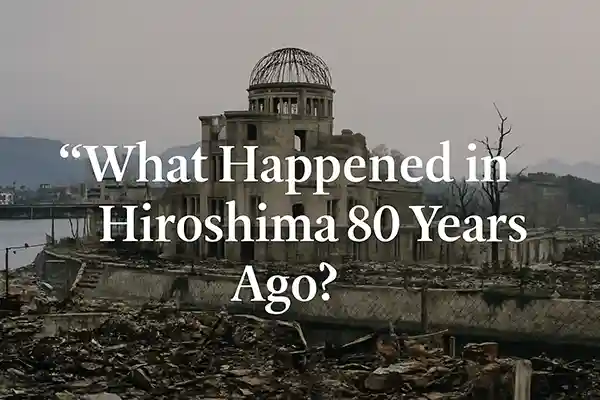
Image 2: August 6, 1945 – the day that forever changed humanity’s understanding of destruction.
Click Here to Read What Is A Ceasefire Agreement…
The Human Cost: Voices of the Survivors
The numbers are staggering, but the personal stories are even more devastating.
Shingo Naito, who was six when the bomb struck, recalls how his father was burned, blinded, and unable to hold his son’s hand – a memory now turned into art by local students.
Satoshi Tanaka, a survivor suffering multiple cancers due to radiation, said the destruction in Gaza and Ukraine today brings back his own trauma. “We are living alongside nuclear weapons that could wipe out humanity multiple times over,” he warns.
In 2025, for the first time, the number of surviving hibakusha (atomic bomb survivors) has fallen below 100,000. Many still face discrimination and health consequences – a legacy of pain that has lasted generations.
The term hibakusha literally means ‘explosion-affected people’. It refers to those who survived the atomic bombings of Hiroshima and Nagasaki in 1945. But being a hibakusha is not just about surviving – it’s about enduring lifelong physical and emotional trauma, social discrimination, and the burden of constantly retelling a painful story for the good of future generations.
Many hibakusha have struggled with radiation-linked illnesses, psychological trauma, and social exclusion. In the decades following the bombings, they were often feared and avoided – wrongly believed to carry contagious diseases or pass radiation-related defects to their children. Despite this, many have become tireless campaigners for peace, disarmament, and human dignity.
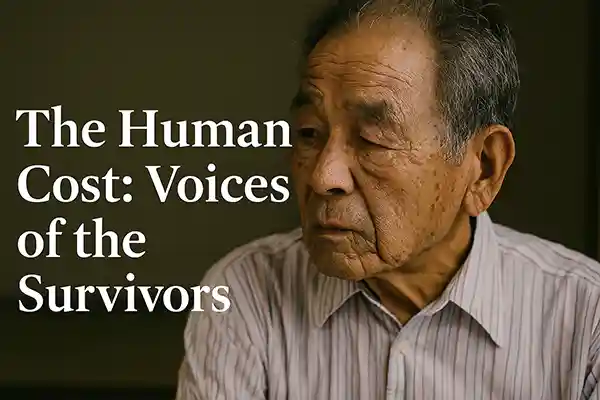
Image 3: The survivors, or hibakusha, carry scars and stories the world cannot afford to forget.
Click Here to Read More under WGF What Is Series…
A Global Call for Peace – But Are We Listening?
Hiroshima Mayor Kazumi Matsui used this year’s memorial to deliver a clear message: the world is ignoring the lessons of Hiroshima and Nagasaki.
- The Nuclear Non-Proliferation Treaty (NPT) is, in his words, “on the brink of dysfunctionality”
- Japan refuses to sign the Treaty on the Prohibition of Nuclear Weapons, citing U.S. protection
- Survivors’ group Nihon Hidankyo, now a Nobel Peace Prize winner, continues its campaign for total abolition
Even on the streets of Hiroshima, small protests call for nuclear disarmament, reflecting a deep division between political reality and moral responsibility.

Image 4: The calls for global peace are growing louder – but are the nuclear-armed nations listening?
Click Here to Read WGF Blogs from World Leaders…
Is the World Facing Another Nuclear Threat in 2025?
The world today feels eerily similar to the one in 1945 – filled with geopolitical tension and unspoken threats.
- Russia and the U.S. continue nuclear posturing over Ukraine
- Israel–Iran tensions remain high over nuclear facilities
- India and Pakistan faced another military flare-up earlier this year over Kashmir
- North Korea outright rejects denuclearization, threatening further missile tests
Experts say the world is now closer than ever to a nuclear confrontation, not just in rhetoric, but in real possibility.
Image 5: In 2025, the nuclear threat feels closer than ever – not just in weapons, but in will.
Click Here to Watch Keynote Speeches and Interviews of World Leaders at WGF YouTube…
How Big Is the Global Nuclear Arsenal Today?
The numbers today are staggering compared to 1945:
- More than 12,000 nuclear warheads exist globally
- 9 countries officially have nuclear weapons: US, Russia, China, France, UK, India, Pakistan, North Korea, and Israel
- US and Russia alone hold 90% of the global stockpile
The Hiroshima bomb was 15 kilotons – meaning it released an explosive force equivalent to 15,000 kilos of TNT. Today, the largest nuclear bomb in the U.S. arsenal is 1.2 megatons, or 1,200,000 kilos of TNT – over 80 times more powerful.
In practical terms, one modern nuclear bomb could flatten a city and kill millions instantly, with aftereffects lasting for decades.
Every year, nations invest billions in “modernizing” these weapons – including smaller, more ‘usable’ tactical nukes, increasing the danger of real-world deployment.
Image 6: Over 12,000 nuclear warheads remain worldwide. How many do we need to destroy ourselves?
Click Here to Watch WGF News on World Leaders at WGF TV…
What Are World Leaders Doing (or Not Doing)?
Despite global memorials, treaties are collapsing:
- The Nuclear Non-Proliferation Treaty (NPT) is fraying
- The Treaty on the Prohibition of Nuclear Weapons is ignored by all nuclear powers
- Arms control agreements have been dismantled in recent years, not strengthened
Meanwhile, the Doomsday Clock remains at 89 seconds to midnight – the closest to global catastrophe since the Cold War. According to scientists, nuclear danger is now more real than ever.
The Doomsday Clock – maintained by the Bulletin of the Atomic Scientists since 1947 – continues to tick dangerously close to catastrophe. The clock is a symbolic warning about how close humanity is to destroying itself through nuclear war, climate change, biological threats, or emerging technologies.
In 2025, the clock stands at 89 seconds to midnight, the closest it has ever been. Midnight represents global annihilation. The current setting is a chilling reminder that the threat of a man-made catastrophe is not theoretical – it’s imminent.
According to scientists, “every second of delay in reversing course increases the probability of global disaster.”

Image 7: Global leaders gather to remember Hiroshima – but memory without action is a dangerous silence.
Click Here to Read What Is NATO…
Is Humanity Doomed to Repeat History?
Mayor Matsui urged world leaders: “Please visit Hiroshima and witness for yourselves the reality of the atomic bombing.”
But will they listen?
Many fear history is not just repeating – it is accelerating. The survivors are passing away. The treaties are failing. The arsenals are growing.
And yet, hope remains in voices like Yoshikazu Horie, a grandfather visiting Hiroshima with dreams of peace for his grandchildren. Or the students turning tragedy into art. Or the activists still raising their voices despite political apathy.
Image 8: We remember Hiroshima not to mourn the past – but to prevent repeating it.
Click Here to Read What Is Indian Premier League…
WGF Take – Is Using Common Sense Asking Too Much for a Safe Future for All?
Hiroshima is not a history lesson – it is a warning.
In 1945, humanity learned what it was capable of.
In 2025, we’re learning whether we’ve learned anything at all.
The ghosts of Hiroshima don’t just haunt a city. They shadow every decision made by every nuclear-armed nation today.
They whisper in the halls of global diplomacy, in the silence of disarmament treaties abandoned, and in the noise of rising military budgets.
They watch as world leaders debate over deterrence while civilians remain unprotected from the possibility of annihilation.
To walk away from Hiroshima’s memory is not just ignorance – it is neglect.
The survivors, the hibakusha, did not spend 80 years reliving their pain so that politicians could ignore their warnings.
How long must common sense – the kind that says no one wins in nuclear war – remain ignored in the name of security?
Each day we hesitate to disarm, each investment made into modernizing destruction, each treaty allowed to die – it all brings us one step closer to midnight.
At WGF News, we believe that awareness is action. And action begins with understanding.
We owe it to the survivors – and to our future – to make sure Hiroshima never happens again. Not anywhere. Not ever.
We owe it to the survivors – and to our future – to make sure Hiroshima never happens again.
Follow World Growth Forums on the following for more updates…