
Sports
World Growth Forums Magazine
Keynote Speech by Dr Alfredo Sfeir-Younis _ WGF-GBIF Thailand 2024
What Is the Ballon d’Or?
Who Are the 2025 Ballon d’Or Contenders?
Football’s most glamorous awards take centre stage tonight, Sep 22, 2025, in Paris. The Ballon d’Or ceremony returns to the Théâtre du Châtelet, Paris, to honour the world’s finest male and female players from the 2024/25 season. Ousmane Dembélé leads the men’s race after PSG’s treble triumph, while Aitana Bonmatí and Alessia Russo headline the women’s shortlist. With new women’s awards added this year, the 69th edition of the Ballon d’Or is set to redefine football’s legacy of excellence.
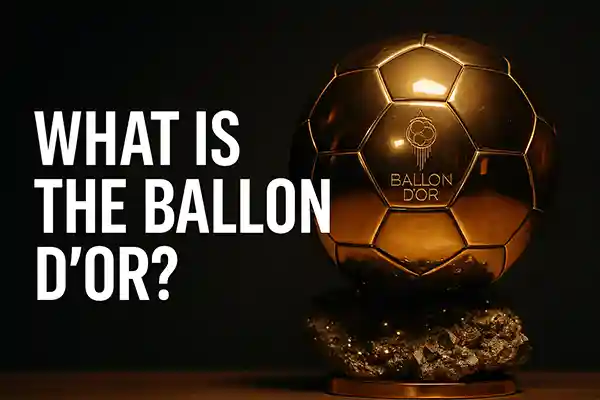
Image 1: The Ballon d’Or is more than a trophy – it’s football’s ultimate symbol of greatness.
Click Here to Read WGF Blogs from World Leaders…
What Is the Meaning of Ballon d’Or?
Ballon d’Or is a French expression, literally meaning Ball of Gold or Golden Ball. It is an award offered annually to the best-performing footballer in the world, based on their achievements across the season. Since its inception in 1956, it has become football’s most coveted individual prize.
Click Here to Read What Is Israel’s Gaza City Takeover Plan…
What Is the Story of Ballon d’Or?
The Ballon d’Or was born in 1956 when France Football sought to honour Europe’s finest player. The first recipient was Sir Stanley Matthews of Blackpool, whose sportsmanship and longevity embodied the spirit of the game. In its early decades, eligibility was restricted to European players at European clubs, which meant legends like Pelé and Diego Maradona were excluded. That limitation itself became part of the Ballon d’Or’s story – a reminder that even the world’s most prestigious awards must evolve with the times.
That evolution came in 1995, when George Weah of Liberia broke barriers to become the first non-European – and to date, the only African – to win the prize. His triumph signaled a turning point: the award was no longer Eurocentric but truly global. By 2007, the rules expanded again, allowing all players worldwide to be judged equally, and in 2018, Ada Hegerberg of Norway lifted the first-ever Women’s Ballon d’Or, marking a landmark moment for women’s football.
Over the years, the award has not only crowned excellence but also chronicled eras: Johan Cruyff’s artistry in the 1970s, Michel Platini’s dominance in the 1980s, Ronaldo and Zidane in the 1990s, and then the Messi-Ronaldo duopoly that stretched across the 21st century. In 2024, UEFA formally partnered with France Football to co-organise the ceremony, adding new categories and elevating its global reach. Today, the Ballon d’Or is more than a trophy – it is football’s timeline in gold, telling the sport’s history through the names etched on its base.
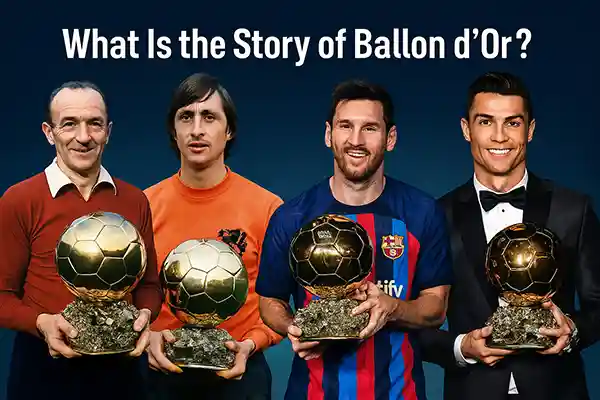
Image 2: From Stanley Matthews to Messi and Ronaldo, the Ballon d’Or has told football’s story for nearly 70 years.
Click Here to Read What Is Behind Nvidia’s $5 Billion Lifeline to Intel…
Did You Know?
Ballon d’Or (General)
- Lionel Messi has won a record 8 Ballon d’Or trophies
- Only one goalkeeper, Lev Yashin, has ever won (1963)
- George Weah is the only African to have won (1995)
Did You Know?
Ballon d’Or (2025)
- PSG has 9 players nominated this year
- Lamine Yamal, at 18 years, could be the youngest winner ever
- Alessia Russo could become the first Englishwoman to win
Click Here to Read What Is NATO…
Ballon d’Or In Numbers (2025 Edition)
• 69th edition of the ceremony
• 30 men & 30 women nominees
• 7 Arsenal women shortlisted – the most from one WSL club
• 8:00 PM CET: ceremony start in Paris
• 7:00 PM UK / 2:00 PM ET / 11:30 PM IST – key global timings
• 2 trophies permanently kept by France Football for exhibition
Click Here to Watch Keynote Speeches and Interviews of World Leaders at WGF YouTube…
Why Does Tonight Matter for Ballon d’Or?
Every Ballon d’Or ceremony crowns excellence, but 2025 carries an extra layer of significance. For the first time, three new women’s awards – the Yashin, Kopa, and Gerd Müller Trophies – will be presented, expanding the stage for female players and symbolising football’s ongoing march toward equality.
It is also a night that underscores transition. The Messi-Ronaldo era, once the immovable centre of world football, now belongs to history. In their place, new names rise: Ousmane Dembélé, seeking validation for a career reborn; Lamine Yamal, at 18, aiming to become the youngest winner ever; Aitana Bonmatí, attempting a three-peat to cement dynasty; and Alessia Russo, leading England’s push for global recognition.
Tonight also matters because it is not only about who wins, but about what stories football wants to tell about itself in a new era – one of diversity, renewal, and shifting power.
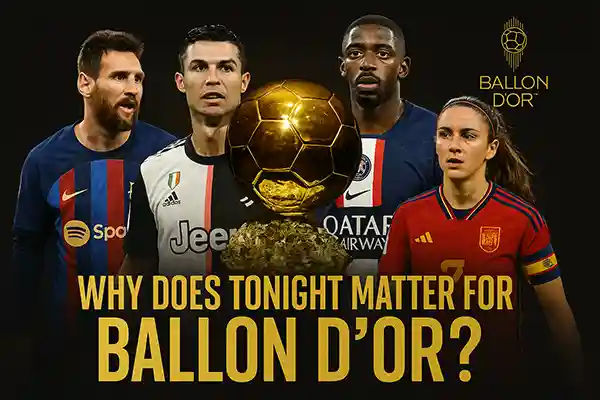
Image 3: Paris 2025 is not just about winners – it’s about the new era of football ready to be written.
Click Here to Watch WGF News on World Leaders at WGF TV…
Who Are the Leading Contenders for the Men’s 2025 Ballon d’Or?
- Ousmane Dembélé (PSG): Treble, Champions League PoTS, Ligue 1 top scorer
For Dembélé, a win would mark redemption after years of injury doubts and inconsistency.
- Lamine Yamal (Barcelona): Only 18, already a Spanish treble winner with 39 goal involvements
Victory would make him the youngest winner ever and a symbol of football’s future.
- Mohamed Salah (Liverpool): Premier League title + Golden Boot, 47 goal involvements
A Ballon d’Or would crown Salah’s legacy as Africa’s modern great and Liverpool’s talisman.
- Kylian Mbappé (Real Madrid): La Liga top scorer with 44 goals
For Mbappé, this would be less validation and more inevitability – destiny catching up with him.
- Harry Kane (Bayern): Bundesliga title and 41 goals in all competitions
For Kane, it would mean vindication after years of brilliance without silverware.
- Raphinha (Barcelona): UCL joint top-scorer, La Liga Player of the Season
A win would elevate Raphinha from underrated contributor to global star status.
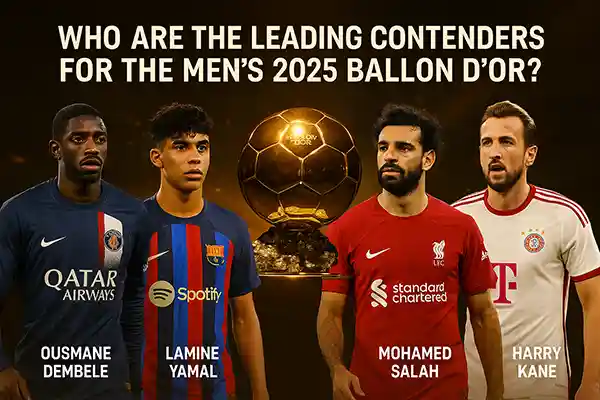
Image 4: For Dembélé, Yamal, Salah, Mbappé, Kane, and Raphinha – 2025 could be the year that defines their legacy.
Click Here to Read What Is A Ceasefire Agreement…
Who Are the Leading Contenders for the Women’s 2025 Ballon d’Or?
- Aitana Bonmatí (Barcelona): Two-time winner chasing a three-peat
Her victory would cement a dynasty, making her the undisputed face of Spanish football’s golden era.
- Alessia Russo (Arsenal): Champions League + Euro winner, FWA Women’s Player of the Year
For Russo, a win would be a breakthrough moment, putting England and the WSL at the game’s summit.
- Alexia Putellas (Barcelona): Veteran aiming for her third Ballon d’Or
If she wins, it would be a story of resilience and continuity, proving her greatness endures.
- Clàudia Pina (Barcelona): UCL top scorer (24 goals)
A triumph would mark her as Barcelona’s next midfield-forward hybrid star on the global stage.
- Lucy Bronze (Chelsea): Euro and domestic treble winner despite injury
Her victory would be heroic – a defender’s triumph against the odds in a forward-dominated award. - Mariona Caldentey (Arsenal): UCL hero, WSL Player of the Year
Winning would symbolise her seamless rise in England and Arsenal’s new era of dominance.
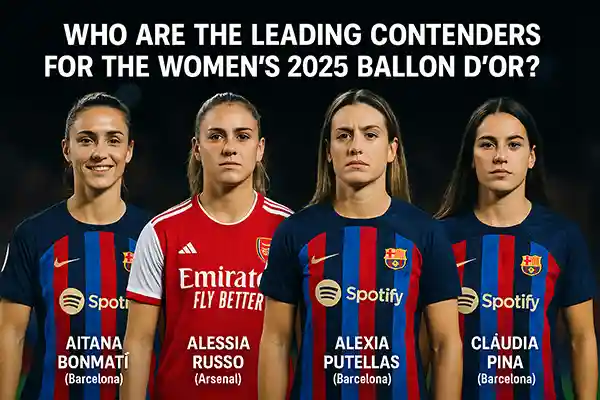
Image 5: Bonmatí, Russo, Putellas, Pina, Bronze, and Caldentey – six contenders carrying the torch for women’s football.
Click Here to Read What Is De-Dollarisation…
How Are the Winners Decided?
Behind the glamour of the Ballon d’Or lies a carefully structured voting system designed to capture both brilliance and fairness. The process is entrusted to an international jury of specialist football journalists: one representative from each of the top 100 FIFA-ranked nations for the men’s award, and from the top 50 nations for the women’s award.
Each juror is asked to list their top ten players of the season, ranked in order of merit. Points are then awarded on a sliding scale: 15 for first place, 12 for second, 10 for third, and then descending to 1 point for tenth place. The player with the highest overall score lifts the Golden Ball. In the event of a tie, the number of first-place votes acts as the decider, followed by second-place votes, and so on.
But the Ballon d’Or is not only about numbers – it is about values. Jurors are asked to judge on three pillars:
- Individual performances – Was the player decisive in crucial matches? Did their presence change the course of games?
- Team achievements – How much silverware did they help deliver, and how central were they to their team’s success?
- Fair play & influence – Beyond the pitch, did they embody sportsmanship, leadership, and the spirit of the game?
This blend of artistry, success, and character ensures that the Ballon d’Or is not simply a ‘top scorer’s prize’, but a holistic recognition of football’s finest. And it is why, year after year, the award stirs debate: it reflects not only results but also the values football chooses to celebrate.
Click Here to Read What Is the Hiroshima Atomic Bombing’s Legacy – 80 Years Later…
Historical Note
The Ballon d’Or has often mirrored the shifting tides of football. In 2018, Luka Modrić broke the decade-long Messi-Ronaldo duopoly, winning after guiding Croatia to the World Cup final and Real Madrid to the Champions League. It was a rare moment when artistry, influence, and leadership outweighed sheer goal numbers.
In the women’s game, 2018 also marked history when Ada Hegerberg of Norway became the first female recipient. Her win highlighted the overdue recognition of women’s football on the global stage.
Moments like these remind us that the Ballon d’Or is not just an annual prize – it is a running commentary on football’s values, honouring not only goals and trophies but also stories of resilience, influence, and change.
Click Here to Read What Is the Trump–Putin Alaska Summit About…
When, Where & How to Watch?
- Date: Monday, Sep 22, 2025
- Time: 8:00 PM CET (11:30 PM IST)
- Venue: Théâtre du Châtelet, Paris
- How to Watch: UEFA partners & global broadcasters, with live streams for international audiences
Click Here to Read What Is the Russian Volcano Eruption After 500 Years…
What Is France Football?
France Football is more than just a magazine – it is the birthplace of the Ballon d’Or. Founded in 1946, the weekly publication became one of Europe’s most respected football journals, known for its sharp reporting, in-depth features, and commitment to chronicling the game beyond the pitch.
In 1956, the magazine’s editors conceived the idea of a prize that would honour Europe’s finest footballer. That idea became the Ballon d’Or, with Sir Stanley Matthews as its first recipient. Over time, France Football not only reported on the game but also shaped football’s narrative by defining what greatness meant each season.
Even as the sport globalised and new media platforms emerged, France Football has remained the custodian of the Golden Ball. In 2024, the magazine entered into partnership with UEFA, turning the awards into a global gala without losing its editorial independence. The brand still oversees the voting process, ensuring that the Ballon d’Or remains rooted in journalistic integrity while growing into a worldwide spectacle.
For nearly 70 years, France Football has been more than a publication – it has been the memory-keeper of football’s legends, holding in its pages and its trophy the stories of generations.
Click Here to Read What Is Coral Bleaching…
What Awards Will Be Handed Out Tonight?
- Men’s & Women’s Ballon d’Or
- Men’s & Women’s Kopa Trophy
- Men’s & Women’s Yashin Trophy
- Men’s & Women’s Gerd Müller Trophy
- Men’s & Women’s Johan Cruyff Trophy
- Clubs of the Year (M/W)
- Sócrates Award
Click Here to Read What Is Botox…
What Would Each Potential Win Mean?
- Dembélé: First Ballon d’Or, PSG’s treble era crowned
- Yamal: Youngest winner ever at 18
- Salah: Seals Premier League legacy with global crown
- Kane: First Englishman since Michael Owen (2001) to win
- Bonmatí: Three-peat, cementing her place among legends
- Russo: Breakthrough for WSL and English women’s football
Click Here to Read What Is Giorgio Armani’s Legacy…
What Is the Kopa Trophy?
The Kopa Trophy is named after Raymond Kopa, the French playmaker who dazzled with Real Madrid and helped usher in Europe’s golden era of club football in the 1950s. First awarded in 2018, the trophy honours the best male and female players under the age of 21. It has quickly become known as the ‘next big thing’ award, with winners often tipped for future Ballon d’Or success. From Kylian Mbappé to Pedri and Gavi, the Kopa Trophy has become football’s crystal ball, spotlighting the stars who will define tomorrow.
Click Here to Read What Is China’s Military Parade with Putin and Kim…
What Is the Yashin Trophy?
The Yashin Trophy honours Lev Yashin, the Soviet goalkeeper famously known as the ‘Black Spider’, who remains the only keeper ever to win the Ballon d’Or (1963). Introduced in 2019, the award recognises the best male and female goalkeepers each season. It celebrates not only saves and clean sheets but also the artistry of goalkeeping – the leadership, reflexes, and bravery that make the difference in football’s tightest moments. In a game that often glorifies scorers, the Yashin Trophy restores balance, reminding fans that champions are built from the back.
Click Here to Read What Is the Game of Football…
What Is the Gerd Müller Trophy?
The Gerd Müller Trophy, named after Germany’s legendary striker, honours the season’s most prolific goalscorer across club and international football. Nicknamed ‘Der Bomber’, Müller scored 68 goals in 62 games for West Germany and redefined penalty-box finishing. The award, introduced in 2021, recognises that while football is a team game, goals remain its most decisive currency. For strikers chasing history, the Gerd Müller Trophy is both recognition and validation of their craft.
Click Here to Read What Is A Data Breach…
What Is the Johan Cruyff Trophy?
The Johan Cruyff Trophy celebrates the best men’s and women’s coaches of the season, paying tribute to the Dutch master who changed football forever. Cruyff’s philosophy – total football, tactical innovation, and youth development – still shapes the modern game. This award doesn’t just measure silverware; it honours vision, boldness, and the ability to inspire teams to play beyond themselves. Whether it’s Sarina Wiegman guiding England’s Lionesses to European glory or managers masterminding historic trebles, the Cruyff Trophy honours the architects of football’s greatest stories.
Click Here to Read What Is a Blood Moon…
What Are Clubs of the Year?
The Clubs of the Year awards recognise the men’s and women’s teams that delivered the most outstanding collective performances. It’s not only about winning titles but about how a club defined the season: tactical brilliance, resilience in adversity, and dominance across competitions. By celebrating entire squads and backroom structures, this award acknowledges that while individuals win Ballons d’Or, football’s heartbeat is still collective.
Click Here to Read What Is SpaceX…
What Is the Sócrates Award?
Introduced in 2022, the Sócrates Award is named after the Brazilian icon who was both a midfield genius and a political voice. Known as ‘Doctor Sócrates’ for his medical degree and activism, he championed democracy during Brazil’s dictatorship. The award honours players for humanitarian impact, social activism, and community service. It ensures the Ballon d’Or night isn’t just about brilliance with a ball – it’s also about the power of footballers to drive change in society.
Click Here to Read What Is Currency Revaluation…
What Is UEFA?
The Union of European Football Associations (UEFA) is the governing body of football in Europe, founded in 1954 in Basel, Switzerland. From its headquarters in Nyon, Switzerland, UEFA oversees some of the world’s most prestigious competitions, including the UEFA Champions League, the European Championship (Euros), the Europa League, and the Women’s Champions League. Its influence extends beyond tournaments, shaping refereeing standards, youth development, and fair play across 55 member nations.
In 2024, UEFA entered into a historic partnership with France Football to co-organise the Ballon d’Or. This collaboration gave the ceremony not just a journalistic authority but also the full weight of football’s governing infrastructure. UEFA’s involvement meant bigger stages, wider global broadcasting, and the creation of new categories for women’s football, ensuring the awards reflected the modern game’s inclusivity.
Today, UEFA’s role in the Ballon d’Or signals more than prestige – it represents football’s recognition that its highest individual honours must be framed within the sport’s collective heartbeat, uniting history, governance, and global spectacle in one glittering evening.
Click Here to Read What Is the Tibet Dispute…
WGF Take – Are Global Recognitions the Climax or New Beginnings?
Global awards like the Ballon d’Or carry a dual meaning. For some players, the trophy represents the climax of their journey – the crowning recognition for years of brilliance, sacrifice, and consistency. Once the golden ball is in their hands, they see it as proof that nothing more needs to be achieved. Often, their performance dips afterwards, not from lack of skill, but from the natural exhale that comes when the mountaintop has finally been reached.
For others, however, the Ballon d’Or is not an ending but a beginning. It ignites fresh excitement, brings new responsibilities, and places them under the spotlight with a challenge to prove that the world’s decision was right. Winning, in their case, becomes fuel – a reason to push harder, to break more barriers, and to write the next chapters of greatness.
The 2025 edition in Paris embodies this very tension. Will Dembélé or Salah treat the Ballon d’Or as the culmination of a career? Or will Yamal or Russo use it as a launchpad into football’s future? In the end, the Ballon d’Or does more than honour excellence and is never just about the past – it tests whether glory is the closing of a story, or the opening line of a new one. It asks every winner the same question: is this your final chapter, or the first page of your future?

Image 6: Every Ballon d’Or victory asks the same question: is it the peak of a career or the dawn of something greater?
Follow World Growth Forums on the following for more updates…