
Environment
World Growth Forums Magazine
Keynote Speech by Dr Alfredo Sfeir-Younis _ WGF-GBIF Thailand 2024
What Is Plastic Pollution?
Why Did the Global Geneva Talks Fail?
After eleven days of tense negotiations in Geneva, global efforts to finalize the world’s first plastic pollution treaty collapsed on August 15, 2025. More than 180 nations gathered with the hope of reaching a historic agreement, but deep divisions – between countries calling for production caps and oil producers pushing recycling – brought talks to a standstill. The failure exposed the world’s inability to rise above fossil-fuel interests and left environmentalists frustrated, small island nations disheartened, and millions wondering: if not now, then when? But behind the diplomatic deadlock lies a bigger question: what is the story of plastic itself, and how did it become one of humanity’s greatest environmental threats?
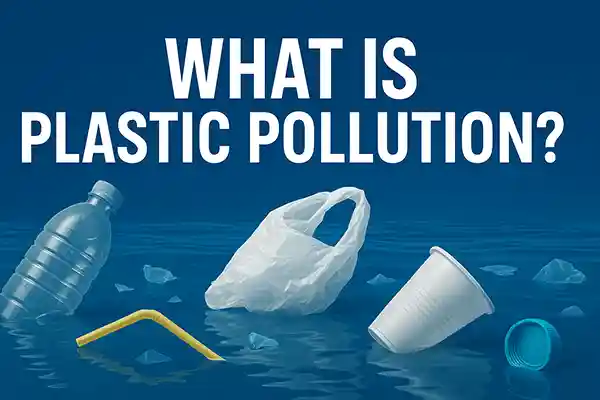
Image 1: Plastic pollution is not just waste – it’s a crisis threatening oceans, wildlife, and human health worldwide.
Click Here to Read WGF Blogs from World Leaders…
What Is the Story of Plastic?
Backdrop: A Miracle Is Born
The story of plastic begins with a spark of human imagination. It was 1907 when Belgian chemist Leo Baekeland created Bakelite, the world’s first fully synthetic plastic. Newspapers celebrated it as a wonder of human ingenuity – light, durable, and endlessly moldable. Plastics soon spread everywhere: phones, radios, toys, and military gear. After World War II, a new age dawned – an age where plastics symbolized prosperity, convenience, and modern life.
The Spark: Convenience Becomes King
What began as innovation quickly turned into indulgence. The 1950s and 1960s saw the rise of single-use plastics. Bags, straws, bottles, and packaging promised a ‘throwaway lifestyle’. It was modernity at its most seductive: fast, cheap, and disposable. By 1950, the world produced 2 million tonnes of plastic. By the 1970s, that number was ten times higher. Plastics became inseparable from progress itself.
Defining Moments: Warnings Ignored
By the late 20th century, warning signs began to surface. Fishermen found nets tangled with plastic. Scientists discovered seabirds with bellies full of bottle caps. In 1997, the world was shocked by the discovery of the Great Pacific Garbage Patch, a swirling mass of plastic waste twice the size of Texas. But industries downplayed the risks, promoting recycling as a solution – even as recycling rates stagnated below 10%.
Early Struggles: The Recycling Myth
Throughout the 2000s, governments and corporations leaned heavily on recycling. ‘Reduce, reuse, recycle’ became a global mantra. But recycling was never enough. Many plastics were too complex or contaminated to reuse. Instead of being remade, they were burned, buried, or shipped abroad. The myth of recycling delayed more difficult conversations: should we produce less plastic in the first place?
Transition: The Age of Plastic Crisis
By 2022, global plastic production had reached 475 million tonnes annually. Plastics were everywhere – oceans, rivers, soils, and even inside our blood. Scientists warned of toxic chemicals leaching into ecosystems and the human body. Microplastics were detected in the placenta of unborn babies. As the evidence piled up, nations gathered in Geneva to act. Yet once again, politics stalled science. Oil-rich states defended plastics as the backbone of their economies. Environmentalists demanded production cuts. And so, the talks collapsed.
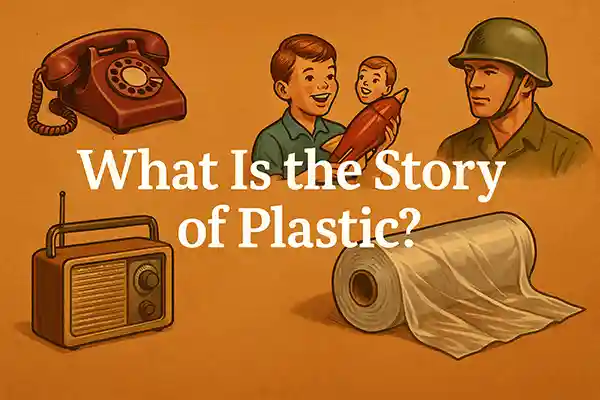
Image 2: From Bakelite to the modern garbage patch, the story of plastic is one of progress turned into peril.
Click Here to Read What Is Israel’s Gaza City Takeover Plan…
Did You Know?
Plastics
- The world has produced more than 3 billion tonnes of plastic since the 1950s
- Half of all plastics ever made were produced in just the last 15 years
- By 2050, there could be more plastic than fish in the ocean by weight
Did You Know?
Microplastics
- An average person consumes about 5 grams of microplastics per week – roughly the weight of a credit card
- Microplastics have been found in human lungs, blood, and even breast milk
Did You Know?
Plastic Pollution
- Every year, up to 12 million tonnes of plastic enter the oceans – the equivalent of a truckload every minute
- Over 90% of seabirds have ingested plastic at some point in their lives
- One million plastic bags are used every minute worldwide
Did You Know?
Geneva Summits
- Geneva hosts over 200 international organizations, making it a hub for global diplomacy.
- Landmark agreements like the Geneva Conventions were signed here, shaping the city’s reputation as the world’s negotiation capital
Click Here to Read What Is NATO…
Why Did the Talks Collapse in Geneva?
Delegates failed to bridge the core divide: should plastics be reduced at source or managed at the waste stage? Oil states like Saudi Arabia, Russia, and the U.S. resisted caps, seeing plastics as critical to future economies, while over 100 nations argued recycling alone cannot solve a crisis of this scale.
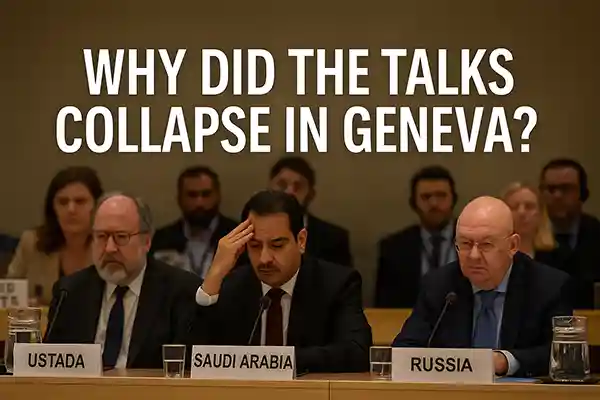
Image 3: Global negotiations broke down in Geneva as nations clashed over whether to curb production or simply recycle more.
Click Here to Watch Keynote Speeches and Interviews of World Leaders at WGF YouTube…
How Bad Is the Plastic Pollution Crisis?
Plastic production has surged from 2 million tonnes in 1950 to nearly 475 million in 2022, with projections of a 70% rise by 2040. Less than 10% is recycled. The rest is burned, buried, or pollutes rivers and oceans, breaking down into microplastics that enter our food, water, and bodies – linked to cancer, infertility, and heart disease.
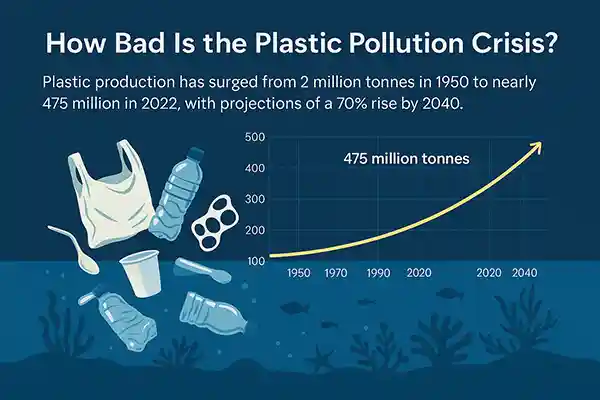
Image 4: Plastic production continues to surge, recycling lags, and microplastics seep into every corner of our lives.
Click Here to Watch WGF News on World Leaders at WGF TV…
Who Stands to Lose the Most?
Small island states, such as Palau and Fiji, warned that delays mean more plastic choking their shores. For them, failure is existential – they face mounting costs despite contributing least to the problem. Environmental groups accuse fossil fuel lobbies of stalling progress, while major brands like Nestlé and Unilever have pushed for design reforms and levies to fund recycling.
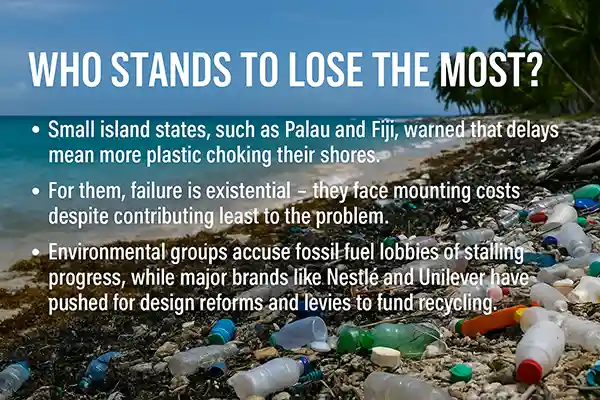
Image 5: Small island nations face the heaviest burden of plastic pollution, despite contributing the least to the problem.
Click Here to Read What Is A Ceasefire Agreement…
What Happens Next After the Collapse?
Negotiators agreed only to ‘meet again’, but no date has been set. Some campaigners suggest ambitious countries may pursue a parallel treaty, bypassing holdouts. Meanwhile, each month of delay adds nearly a million tonnes of plastic waste to the world’s tally, according to WWF.
Image 6: With talks delayed yet again, the world waits as millions of tonnes of plastic pile up every month.
Click Here to Read What Is De-Dollarisation…
What Is Plastic?
Plastic is a man-made material. It is made by humans in factories, usually from oil and natural gas. What makes plastic special is that it can be shaped into almost anything when soft, and then it becomes strong and hard when it cools. That’s why we see plastic everywhere – bottles, bags, toys, chairs, cars, and even parts of airplanes. Unlike things from nature, like wood or food, plastic does not rot away quickly. It can stay in the environment for hundreds of years, which is why it has become both useful and dangerous.
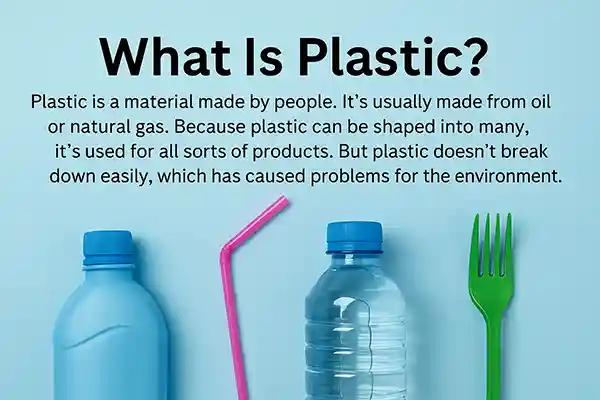
Image 7: Plastics were designed to last – and that’s exactly what makes them so dangerous for the planet.
Click Here to Read What Is the Hiroshima Atomic Bombing’s Legacy – 80 Years Later…
So, What Exactly Is Plastic Pollution?
Plastic pollution occurs when discarded plastics accumulate in the environment. Because most plastics do not biodegrade, they linger for hundreds of years, breaking into fragments that poison ecosystems. Plastic bottles, bags, and wrappers clog oceans, kill marine life, and infiltrate the food chain. Recycling covers less than 10% of all plastics ever produced – leaving the rest to pollute land, water, and air.
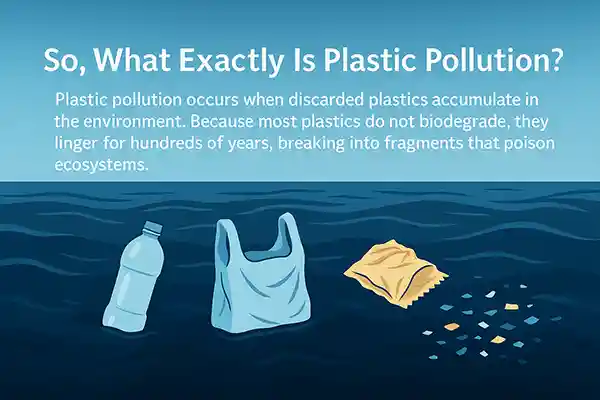
Image 8: Plastic waste lingers for centuries, breaking down into fragments that poison ecosystems and enter the food chain.
Click Here to Read What Is the Trump–Putin Alaska Summit About…
What Is Microplastic?
Microplastics are particles smaller than 5mm, formed when larger plastics break apart. These invisible invaders have been detected everywhere: from Arctic ice to human lungs. Studies link them to hormonal disruption, reproductive harm, and even cardiovascular disease. Every sip of bottled water may carry hundreds of microplastic fragments – tiny traces of a vast problem.
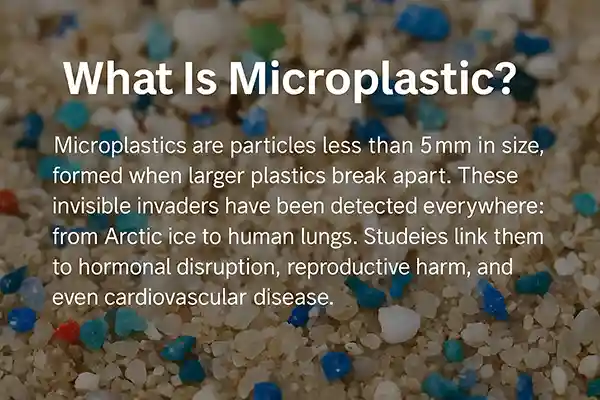
Image 9: Microplastics are invisible invaders – tiny particles now found from Arctic ice to human lungs.
Click Here to Read What Is the Russian Volcano Eruption After 500 Years…
What Is WWF?
The World Wide Fund for Nature (WWF) is one of the world’s largest conservation organizations, active in 100+ countries. It campaigns against plastic pollution by pressuring industries and governments to act. WWF estimates that each month of delay in reaching a global plastics treaty adds nearly 1 million tonnes of new waste to the planet. For WWF, the fight against plastics is as much about human health as it is about protecting nature.
Image 10: WWF warns that every month of delay in a global treaty adds nearly a million tonnes of plastic to our planet.
Click Here to Read What Is Coral Bleaching…
WGF Take – Between Natural and Artificial, Will You Choose a Plastic Earth?
The collapse of the plastic treaty talks is more than a diplomatic failure – it’s a reminder of how profit still outweighs planetary survival in global politics. Recycling is no silver bullet; without curbing production, the plastic flood will continue. The WGF view is clear: the world must ‘turn off the tap’ rather than mop the floor. If leaders remain captive to fossil-fuel interests, then bold coalitions of willing nations must step forward. The cost of inaction is not abstract – it’s in our water, our food, and our bodies. The clock is ticking, and the plastic crisis waits for no one.
The story of plastic is also the story of our choices. Humanity invented plastics to solve problems of scarcity, durability, and convenience. But in chasing convenience, we created permanence – the permanence of waste. Geneva’s failure shows that governments remain trapped between natural responsibility and artificial dependence.
Should we continue down the path of a ‘Plastic Earth’, where seas, soils, and even our bloodstreams carry fossil-fuel residues in microscopic form? Or should we step back toward balance with nature, cutting production at the source instead of endlessly patching the damage downstream?
WGF’s stance is clear: recycling is not enough, and endless growth is not sustainable. The question is not just political – it is personal. Every bag, every bottle, every piece of packaging is a vote for the future. The choice is stark: a living Earth or a plastic Earth. Which will we choose?
Follow World Growth Forums on the following for more updates…