
International
World Growth Forums Magazine
Keynote Speech by Dr Alfredo Sfeir-Younis _ WGF-GBIF Thailand 2024
What Is Nepal’s Gen Z Anti-Graft Uprising?
Can a Caretaker PM and a Probe Panel Heal the Nation?
Nepal is grappling with its deadliest unrest in decades. A Gen Z–driven anti-corruption movement, sparked by anger at inequality and lavish ‘nepo kids’, has toppled Prime Minister K.P. Sharma Oli and left 74 people dead. On September 22, 2025, the interim government under Sushila Karki established a three-member probe panel to investigate the violence. But the real question remains: can this investigation and a trusted caretaker PM bridge the trust gap between Nepal’s restless youth and its entrenched political elite?
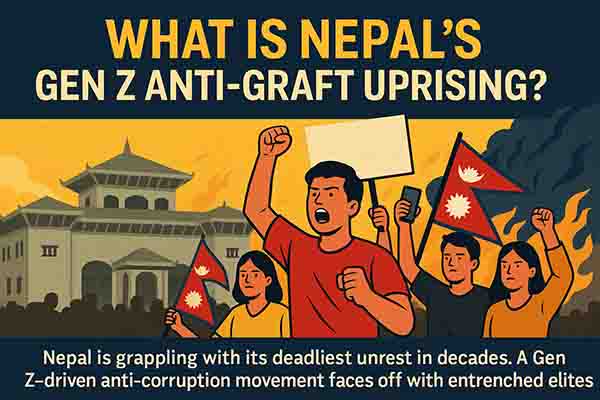
Image 1: Gen Z has turned anger into action, shaking Nepal’s political foundations.
Click Here to Read WGF Blogs from World Leaders…
What Is the Story of Nepal’s Gen Z Uprising?
For years, young Nepalis watched their leaders flaunt privilege while ordinary citizens struggled with joblessness and rising costs. The final straw came with a government ban on social media – a move seen as silencing dissent. Online outrage spilled onto the streets in early September.
The protests began peacefully, but within 28 hours, Kathmandu was engulfed in flames. Protesters stormed parliament, torched government offices, and vandalized businesses linked to politicians. Police clashes turned bloody. By the time Oli resigned, 74 lives were lost and over 2,000 people injured.
Into this chaos stepped Sushila Karki, Nepal’s first female Chief Justice, chosen for her reputation as incorruptible. The youth saw hope, but also demanded swift action: justice for the dead, arrests of corrupt leaders, and elections within six months. Nepal now stands at a generational crossroads, with Gen Z unwilling to back down.
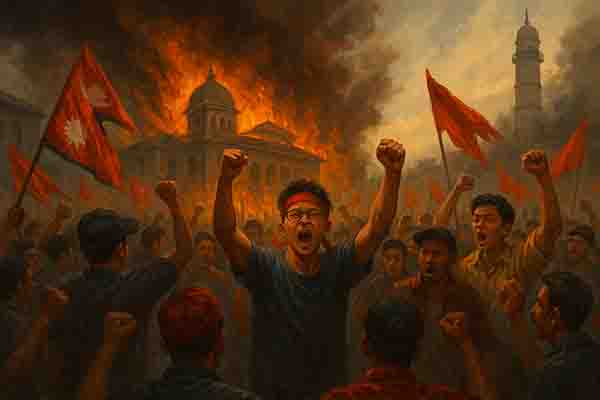
Image 2: In just 28 hours, peaceful protests spiraled into Nepal’s deadliest unrest in decades.
Click Here to Read What Is Behind Nvidia’s $5 Billion Lifeline to Intel…
Did You Know?
Nepal
- Nepal has had 14 governments since 2008, making it one of Asia’s most unstable democracies
- Mount Everest tourism contributes nearly 10% of Nepal’s GDP
- Over one-third of young Nepalis work abroad, sending back crucial remittances
Did You Know?
Gen Z
- Gen Z accounts for nearly one-third of the global population
- They spend an average of 4+ hours daily on social media
- Surveys show 70% of Gen Z worldwide distrust political elites
Click Here to Read What Is NATO…
Nepal Anti-Graft Uprising In Numbers
• 74 killed
• 2,100+ injured
• 3 months given for probe panel report
• $43 billion size of Nepal’s economy
• 20%+ youth unemployment
Click Here to Watch Keynote Speeches and Interviews of World Leaders at WGF YouTube…
Historical Note
Nepal’s history is marked by waves of people power, each reshaping the nation’s political landscape while leaving behind unresolved tensions.
In 1990, the People’s Movement (Jana Andolan I) brought down the absolute monarchy, restoring multiparty democracy after decades of royal rule. For many, it was a moment of liberation – a chance to build a more open, representative system. Yet hopes soon faded, as political parties fractured and corruption became a recurring theme.
By 2006, frustration erupted again in Jana Andolan II, when millions of citizens marched to end King Gyanendra’s direct rule. This time, the protests succeeded in abolishing the monarchy altogether, paving the way for Nepal to become a republic. But even this monumental victory failed to deliver long-term stability. The country cycled through governments, with elites often accused of putting personal and party interests above the people.
The civil war (1996–2006) between Maoist rebels and the state left more than 13,000 dead, thousands missing, and an economy still struggling to recover. The dream of inclusive development often clashed with the reality of weak institutions, political patronage, and recurring street protests.
Fast forward to 2025, and the Gen Z uprising represents a new kind of revolt. Unlike past movements driven by party leaders or armed insurgents, this one is digital-first, meme-powered, and leaderless. Its demands are not for ideology or regime change, but for honesty, accountability, and jobs.
Whether this chapter ends in another cycle of instability – or finally produces a democratic foundation strong enough to endure – will depend on whether Nepal’s leaders learn from history, or repeat it.
Click Here to Read What Is the Trump–Putin Alaska Summit About…
What Triggered the Protests – and Why Did They Turn Deadly?
The protests were triggered by two overlapping sparks: the social media ban and viral images of political elites’ children flaunting luxury lifestyles. As frustration turned into mass mobilization, infiltrators and harsh police crackdowns escalated the violence. Both sides blame each other, but the heavy toll revealed deep cracks in Nepal’s fragile democracy.
Click Here to Watch WGF News on World Leaders at WGF TV…
Who Is Sushila Karki, and Why Does Her Credibility Matter Now?
Karki, 73, is Nepal’s first female Chief Justice, known for her zero-tolerance approach to corruption. By appointing her as caretaker PM, Nepal’s interim leaders hope to restore trust. She has already formed a probe panel, promised elections in six months, and pledged institutional reforms. But she faces pressure from both sides – youth demanding swift justice, and entrenched political elites resisting accountability. Karki’s credibility is her greatest strength, but her window of action is narrow.
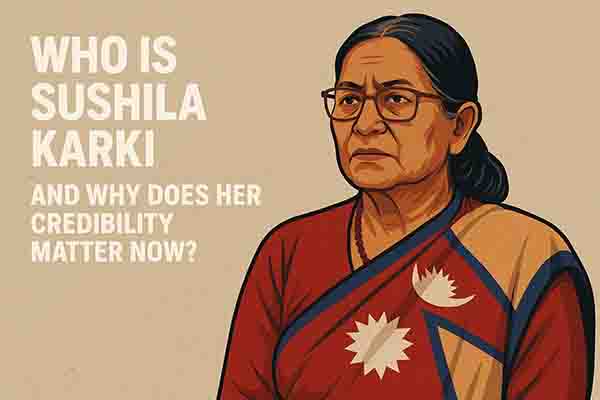
Image 3: Sushila Karki’s reputation for integrity now carries the burden of a nation’s fragile hope.
Click Here to Read What Is A Ceasefire Agreement…
What Is a Caretaker Prime Minister?
A caretaker Prime Minister is a temporary leader appointed to govern during a transition period, usually after a government collapses or until new elections can be held. Unlike a regular Prime Minister, a caretaker PM does not have a full political mandate. Their role is to maintain day-to-day administration, ensure stability, and prepare for elections without making long-term or controversial policy decisions.
In Nepal’s case, Sushila Karki was chosen as caretaker Prime Minister because of her reputation for integrity and independence. Her main responsibilities are to oversee the probe into protest violence, maintain public trust, and deliver free and fair elections within six months. Whether she can balance these expectations while resisting pressure from entrenched political elites will define her legacy.
Click Here to Read What Is De-Dollarisation…
What Exactly Will the Three-Member Probe Investigate?
The panel, headed by retired judge Gauri Bahadur Karki, has three months to deliver its findings. Its mandate covers:
- The killings and injuries during protests
- Responsibility of police, politicians, and infiltrators
- Arson and destruction of state property
- Political accountability for the unrest
Its credibility will decide whether Nepal cools down – or ignites again.
Click Here to Read What Is the Hiroshima Atomic Bombing’s Legacy – 80 Years Later…
Why Did PM Oli Resign – and What Is His Side of the Story?
Facing mounting fury, K.P. Sharma Oli resigned within hours of the violence. Yet, he maintains he never ordered police to fire and insists infiltrators caused the bloodshed. Though ousted, Oli remains influential as head of the UML party. If the probe implicates him, his political career could collapse – or he could stage a comeback if the youth movement falters.
Click Here to Read What Is the Russian Volcano Eruption After 500 Years…
Who Speaks for Gen Z?
Unlike older protest movements, this one is leaderless. Figures like Sudan Gurung have emerged as spokespersons, but decisions are made collectively through TikTok clips, Discord chats, and viral memes. This makes Gen Z powerful in mobilization, but difficult to negotiate with, making them an unpredictable force in Nepal’s politics.
Click Here to Read What Is Coral Bleaching…
How Did Social Media (and the Ban) Shape the Movement?
The government’s attempt to ban social platforms backfired spectacularly. Youth activists used VPNs, TikTok, and AI tools to flood feeds with protest content. Memes of ‘nepo kids’ became rallying symbols. Instead of silencing dissent, the ban accelerated mobilization, turning online frustration into mass protest.
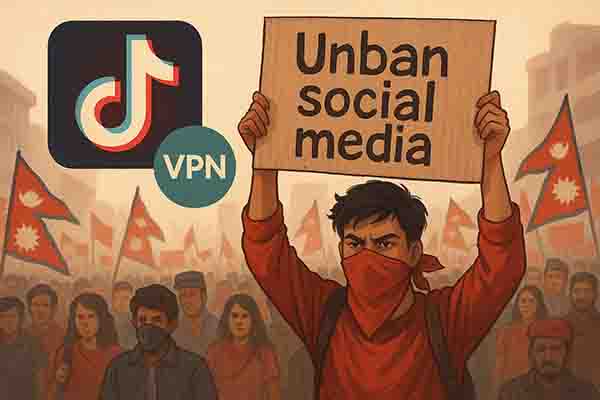
Image 4: From TikTok to VPNs, Nepal’s youth turned censorship into fuel for resistance.
Click Here to Read What Is Botox…
What Is Nepal’s Immediate Political Roadmap?
Caretaker PM Karki has promised elections on March 5, 2026. Analysts warn any delay could reignite unrest. The ruling parties – long accused of corruption – must now find clean candidates, while youth groups explore creating a new party. The next election could pit Nepal’s political old guard against an energized Gen Z.
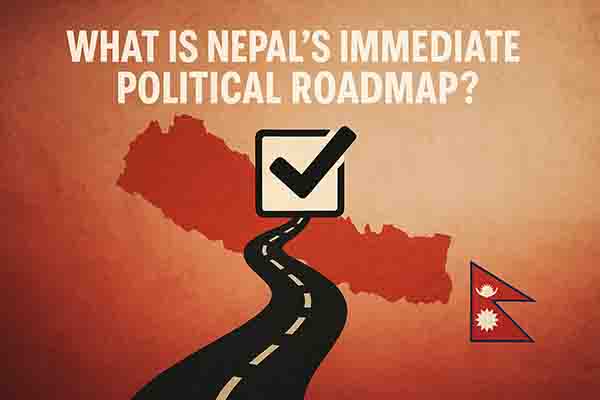
Image 5: Elections promise renewal – but delays or weak reforms could reignite discontent.
Click Here to Read What Is Giorgio Armani’s Legacy…
What Are the Economic Stakes?
Nepal’s $43 billion economy is reeling. Tourism has collapsed, investors are wary, and Fitch Ratings has flagged high risk. Property damage runs into hundreds of millions of dollars. Without stability, youth frustration may worsen, creating the conditions for another revolt.
Click Here to Read What Is China’s Military Parade with Putin and Kim…
Could Unrest Return?
Unrest could resurface if the probe is perceived as biased, if elections are postponed, or if promised reforms stall. Nepal’s Gen Z has shown the ability to mobilize quickly, but their support could be sustained if they see genuine progress. The coming months will be crucial in determining whether the momentum leads to lasting reform or renewed frustration.
Click Here to Read What Is the Game of Football…
How Does Nepal Fit into Asia’s Wider Gen Z Wave?
Across Asia, Generation Z is at the forefront of political dissent, harnessing social media and digital tools to challenge entrenched systems of corruption and privilege. In Bangladesh, students rallied against elite capture of resources, echoing Nepal’s anger at ‘nepo kids’. In Indonesia, hashtags like #IndonesiaGelap (Dark Indonesia) highlighted frustration with lawmakers’ perks. In Sri Lanka, youth-led ‘Aragalaya’ protests toppled a President in 2022. Each of these movements reflects a common frustration: a sense that older political elites have failed to deliver fairness, opportunity, or accountability.
Nepal’s uprising is significant because it is the deadliest of this wave, with 74 lives lost, but it also illustrates the generational power shift sweeping across the continent. Unlike the carefully organized revolutions of the past, these movements are decentralized, meme-driven, and often coordinated on platforms like TikTok, Discord, and Reddit. Analysts argue that what we are seeing is not isolated unrest, but part of a regional generational movement that could redefine politics in the 2020s, with young people demanding accountability not just in Nepal, but across Asia.
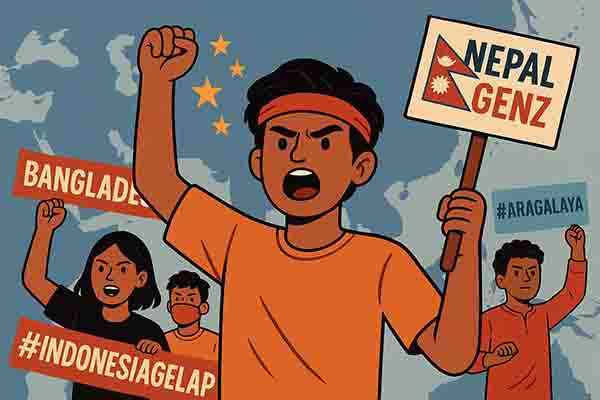
Image 6: Nepal’s uprising is part of a wider Gen Z wave reshaping Asian politics.
Click Here to Read What Is A Data Breach…
What Is #SEAblings?
The hashtag #SEAblings is a digital expression of cross-border solidarity among protesters in Southeast Asia. The term combines ‘SEA’ (Southeast Asia) with ‘siblings’, symbolizing the idea that young activists in different countries see themselves as part of the same family of resistance. Nepali protesters have adopted the hashtag to show alignment with movements in Indonesia and the Philippines, where youth are also mobilizing against corruption, elitism, and inequality. Through this shared identity, memes, protest flags, and viral videos circulate rapidly across borders, giving each local movement a sense of global momentum.
#SEAblings also reflects a new kind of political identity – not based on nationality, but on generational solidarity. For many Gen Z activists, corruption in Manila feels as relatable as corruption in Kathmandu. By borrowing slogans, images, and digital aesthetics from one another, protesters strengthen their legitimacy and visibility. This sense of regional ‘siblingship’ has also made it harder for governments to suppress dissent in isolation, as activists draw international attention by amplifying each other’s struggles.
Click Here to Read What Is a Blood Moon…
What Is the Milk Tea Alliance?
The Milk Tea Alliance emerged in 2019, initially as an online solidarity network connecting youth-led protests in Hong Kong, Taiwan, and Thailand. It took its name from the shared love of milk tea in these regions, turning a cultural symbol into a political brand of resistance. What began as memes mocking Chinese nationalist trolls soon grew into a pan-Asian pro-democracy movement, with young activists rallying around digital art, hashtags, and viral videos.
The alliance set the template for online protest communities. It demonstrated how loosely connected groups could build a shared identity across borders, sustain morale with humor and symbolism, and pressure authoritarian governments through coordinated global visibility. Much like today’s #SEAblings, the Milk Tea Alliance showed that memes and cultural symbols can be as powerful as slogans or banners. In many ways, Nepal’s Gen Z movement is an inheritor of this tradition, proving how digital-first solidarity networks can transcend borders and inspire real-world uprisings.
Click Here to Read What Is SpaceX…
What Is a Gen Z?
Born roughly between 1997–2012, Gen Z grew up with smartphones and social media. Tech-savvy, outspoken, and impatient for change, they form the backbone of today’s protest movements worldwide.
Click Here to Read What Is Currency Revaluation…
What Is a Gen Y?
Also called Millennials (1981–1996), Gen Y straddled the shift from analog to digital. They are often reform-oriented but criticized for being less politically disruptive than Gen Z.
Click Here to Read What Is the Tibet Dispute…
What Is a Gen X?
Born between 1965–1980, Gen X came of age in an era of globalization and political upheavals. Often skeptical and independent-minded, they are today’s middle-aged professionals and leaders.
Click Here to Read What Is the Ballon d’Or…
What Is a Gen Alpha?
The youngest generation, born 2013 onward. Entirely digital-native, they are still in school today – but will inherit the world shaped by Gen Z’s activism.
Click Here to Read What Made Robert Redford an Icon…
Who Are Baby Boomers?
Born 1946–1964, this post-war generation is associated with prosperity and conservatism. In many countries, they dominate politics and are often targets of Gen Z’s criticism.
Click Here to Read What Are the Emmy Awards…
What Is a Silent Generation?
Born 1928–1945, they lived through wars and economic hardship. Known for discipline, loyalty, and less vocal activism. Today they are largely retired.
Click Here to Read What Is the NFL…
What Is a Greatest Generation?
Born 1901–1927, they endured the Great Depression and fought in World War II. Remembered for sacrifice, resilience, and shaping the modern democratic world order.
Click Here to Read What Is Apple’s £2,000 iPhone…
Who Are Nepo Kids?
Short for ‘nepotism kids’, they are the children of powerful politicians or celebrities. In Nepal, flaunting luxury lifestyles online made them symbols of corruption and inequality – igniting the protests.
Click Here to Read What Is a Papacy…
What Is TikTok?
A short-video social platform popular with Gen Z. In Nepal, it became a tool for rallying protesters and spreading memes despite government attempts at censorship.
Click Here to Read What Are Wildfires…
What Is Discord?
A group-chat platform originally for gamers, now used by protest groups to coordinate in private channels. Nepali activists used Discord for strategy and leaderless organizing.
Click Here to Read What Is the Kim Keon-hee Scandal…
What Is a VPN?
A Virtual Private Network masks internet connections to bypass bans and censorship. Protesters in Nepal used VPNs to access blocked social media platforms and share videos.
Click Here to Read What Is a Bitcoin – The Story…
WGF Take – Democracy Demands Truth, Not Illusion
Nepal’s Gen Z has shattered the myth of political apathy. They toppled a government in just 28 hours and forced corruption to the center of national politics. But revolutions driven by hashtags often stumble when faced with governance. Sushila Karki’s probe could either give the youth a reason to trust institutions – or confirm their worst fears.
The stakes are not only about Nepal’s stability, but whether a new generation across Asia can turn digital outrage into durable reform. Unless the probe delivers truth and elections bring real change, democracy will remain an illusion. And one lesson is clear: an incomplete democracy will always be forced – by its own people – to seek complete rules of democracy.
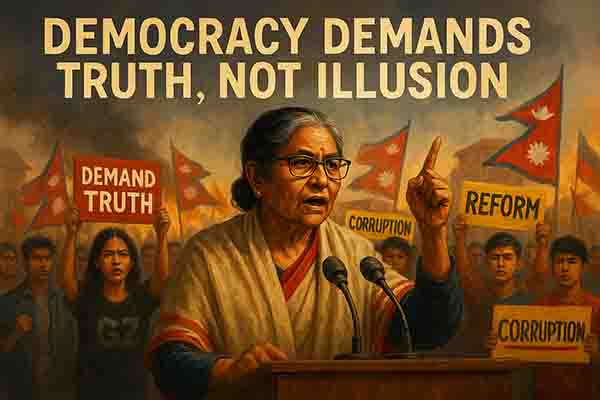
Image 7: Democracy survives only when truth prevails – and Nepal’s youth are demanding it.
Follow World Growth Forums on the following for more updates…