
Science & Technology

World Growth Forums Magazine

Keynote Speech by Dr Alfredo Sfeir-Younis _ WGF-GBIF Thailand 2024
What Is International Space Station?
On 26 June 2025, Shubhanshu Shukla became the first Indian astronaut to set foot on the International Space Station (ISS). His historic arrival marks a proud milestone for India – and brings global attention once again to this marvel of science and cooperation.
But what exactly is the International Space Station – and why does it matter?
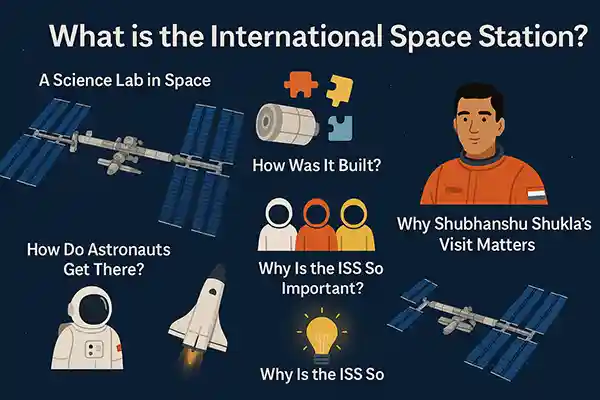
Image 1: The International Space Station: A global hub of science, innovation, and cooperation orbiting 400 km above Earth.
Click Here to Know More About WGF Felicitations…
A Science Lab in Space
The ISS is a large spacecraft that orbits Earth at an altitude of about 400 km. It’s a microgravity laboratory where astronauts conduct scientific experiments that aren’t possible on Earth. These include studies on:
- Human health in space
- New materials and medicine
- The impact of zero gravity on plants and animals
- Climate monitoring and Earth observation
The ISS circles the Earth about 16 times a day, traveling at over 28,000 km/h.
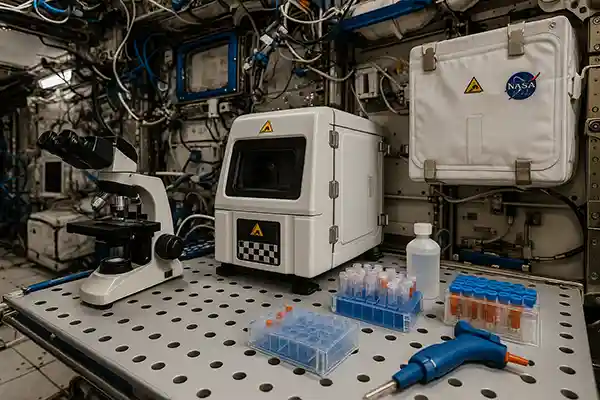
Image 2: A look inside the ISS’s science module – where astronauts conduct zero-gravity experiments that impact life on Earth.
Click Here to Read What Is A Ceasefire Agreement…
How Was It Built?
Building the ISS took over 10 years and more than 30 missions. It began in 1998 when the first modules were launched into space and joined together in orbit. Additional parts were added gradually.
The ISS is made up of several modules used for living, research, power generation, and docking of visiting spacecraft.
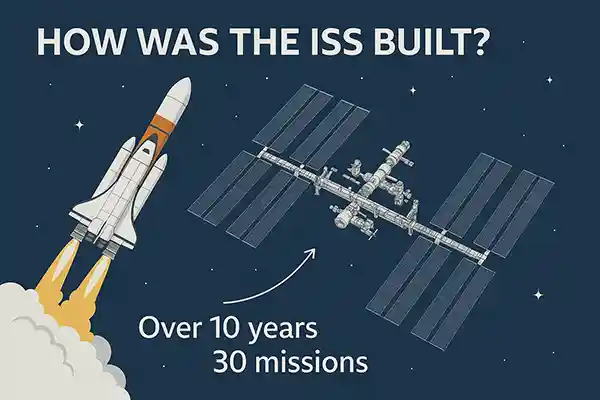
Image 3: The ISS was assembled piece by piece in space, involving multiple space agencies and over 30 missions.
Click Here to Read More under WGF What Is Series…
Built by the World, for the World
The ISS is a collaborative project between five space agencies:
- NASA (United States)
- Roscosmos (Russia)
- ESA (Europe)
- JAXA (Japan)
- CSA (Canada)
It represents one of the most ambitious examples of global scientific cooperation in human history.

Image 4: A symbol of international collaboration, the ISS unites space agencies from around the globe in peaceful cooperation.
Click Here to Read WGF Blogs from World Leaders…
Who Lives on the ISS?
The station is usually home to six astronauts at a time, although the number can vary. These astronauts come from many countries and stay for six months on average.
They:
- Conduct research
- Maintain the station
- Exercise daily to stay healthy in microgravity
- Speak regularly with mission control on Earth
Over 250 people from nearly 30 countries have visited the ISS.
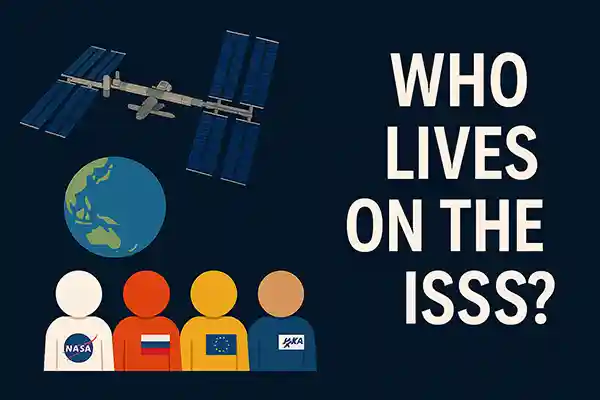
Image 5: Astronauts from NASA, Roscosmos, ESA, JAXA, and other partners live and work on the ISS in 6-month missions.
Click Here to Watch Keynote Speeches and Interviews of World Leaders at WGF YouTube…
How Do Astronauts Get There?
Astronauts travel to the ISS aboard spacecraft launched from Earth. These include:
- SpaceX Crew Dragon
- Russian Soyuz
- (Earlier) NASA’s Space Shuttle
Once launched, the spacecraft takes about 6 to 24 hours to reach the ISS, depending on the mission plan.
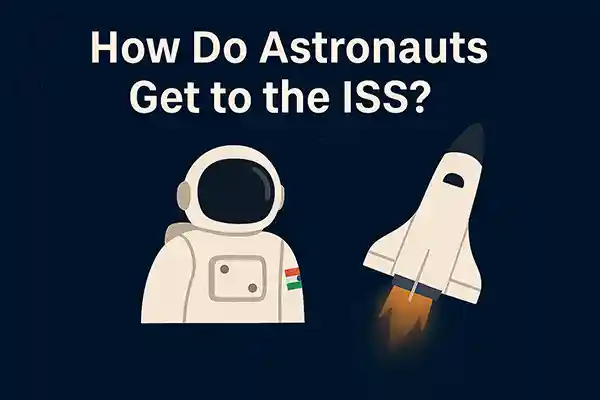
Image 6: Astronauts travel to the ISS aboard spacecraft like SpaceX Crew Dragon and Russia’s Soyuz capsule.
Click Here to Watch WGF News on World Leaders at WGF TV…
Why Is the ISS So Important?
The ISS helps us:
- Understand how long-term spaceflight affects the human body
- Test new technologies for future missions to the Moon and Mars
- Monitor Earth’s environment and natural disasters
- Promote peaceful international cooperation in space
It also serves as a training ground for future deep-space missions.
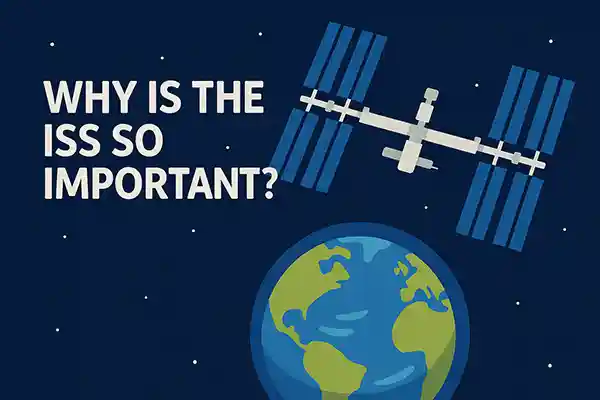
Image 7: The ISS is a testbed for future space missions, medical discoveries, and climate research that benefit all humanity.
Click Here to Read What Is NATO…
Why Shubhanshu Shukla’s Visit Matters?
Shubhanshu Shukla is the first Indian astronaut to board the ISS – a historic first. It reflects:
- India’s rising presence in space exploration
- Decades of progress by ISRO and Indian scientists
- A moment of pride and inspiration for young Indians dreaming of space
His journey could mark the beginning of deeper Indian involvement in global space projects.

Image 8: India’s representation aboard the ISS marks a new era in global space exploration and youth inspiration.
Click Here to Read What Is Indian Premier League…
What Happens to the ISS in the Future?
The ISS has been in operation for over two decades. It’s currently planned to operate until 2030. After that, private space stations may take over its role, or new international missions may emerge.
For now, the ISS remains a symbol of unity, discovery, and human ambition in space.
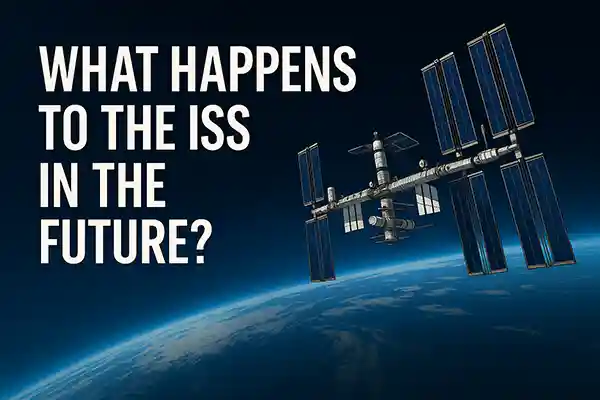
Image 9: As the ISS nears retirement, plans are underway for commercial space stations and expanded deep-space missions.
In Simple Words
The International Space Station is a giant space lab built by multiple countries, where astronauts live and work above the Earth. It helps us learn more about science, technology, and life beyond our planet.
Follow World Growth Forums on the following for more updates…