
Science & Technology

World Growth Forums Magazine
Keynote Speech by Dr Alfredo Sfeir-Younis _ WGF-GBIF Thailand 2024
What Is Deepfake Technology?
Why It’s Forcing the World to Rethink Truth?
What happens when anyone can borrow your face, clone your voice, and twist your story – all through code?
Deepfake technology has turned that nightmare into a daily reality. Across the world, governments, creators, and citizens are struggling to draw the line between innovation and violation.
From a Scottish woman fighting for justice after her face was used in fake nude photos, to Bollywood stars suing Google over AI-generated videos, and hackers using CEO deepfakes to drain company accounts – what started as a technical marvel is now a test of digital humanity itself.
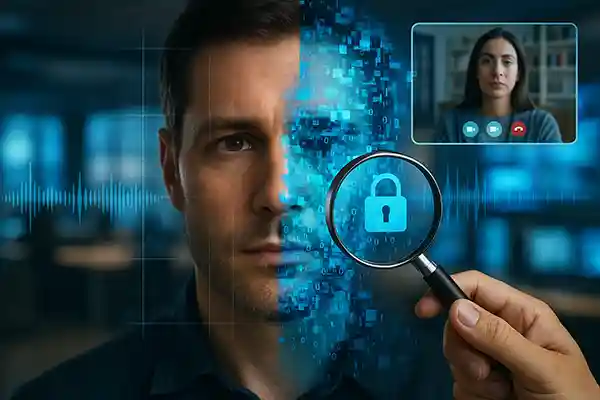
Image 1: When identity becomes editable – truth needs stronger defenders than virality.
Click Here to Read WGF Blogs from World Leaders…
What Happened Recently?
The debate over deepfakes reignited after a landmark case in Scotland in September 2024, where Callum Brooks, 25, became one of the first people convicted for creating deepfake nude images. His victim, ‘Sophie’, felt humiliated and digitally violated. The fine? A mere £335.
Meanwhile in India, on October 1, 2024, Abhishek and Aishwarya Rai Bachchan filed a lawsuit in the Delhi High Court against Google’s YouTube for hosting AI-generated videos that misuse their images – one of the country’s most high-profile legal actions on digital likeness rights.
Around the same time, in March 2024, cybersecurity experts in the United States demonstrated how real-time deepfake video calls can be used by hackers to impersonate corporate executives – a technique that helped fraudsters trick employees into wiring millions of dollars.
The question now isn’t if AI should be regulated – it’s how fast.
Click Here to Read What Is a Blood Moon…
What Is the Story of Deepfake Technology?
The Backdrop: The Birth of Synthetic Media
Deepfake technology stems from deep learning – AI systems that learn patterns from millions of faces, voices, and gestures to mimic human expression. Originally envisioned for innovation in cinema, gaming, and education, it quickly became clear that this technology could also fabricate ‘reality’.
By 2018, open-source AI tools allowed users with basic skills to replace faces in videos – a turning point that made synthetic media both exciting and dangerous.
The Spark: When AI Became Too Real
The term ‘deepfake’ emerged from Reddit forums, where users began sharing altered celebrity videos. What started as an internet prank turned into a societal dilemma. Today, deepfakes are used in politics, pornography, propaganda, and fraud.
AI systems can now generate entire speeches or broadcast ‘live’ appearances that never happened – eroding the once-simple idea that seeing is believing.
Defining Moments: From Fun to Felony
In Scotland, 25-year-old Callum Brooks became one of the first convicted for creating deepfake nude images of someone he knew personally. His victim, Sophie, said the experience made her feel ‘kidnapped digitally’.
In India, Bollywood icons Abhishek and Aishwarya Rai Bachchan are fighting in court for ‘personality rights’ – a person’s legal control over their voice, image, and identity.
Meanwhile, in the U.S., cybersecurity expert Rachel Tobac demonstrated for CNN how easily hackers can use AI to impersonate company executives, tricking employees into transferring funds or sharing secrets.
The threat has evolved from personal humiliation to financial manipulation.
Early Struggles: The Law Plays Catch-Up
Most countries are scrambling to update laws written long before AI manipulation existed.
- The UK criminalizes the non-consensual sharing of intimate images but not necessarily the creation of AI fakes
- Scotland’s government is considering new AI-specific legislation
- India’s High Courts are hearing cases over ‘digital likeness rights’
- The S. and EU are exploring watermarking systems to label AI-generated content
The challenge: every new safeguard seems to inspire a new loophole.
Transition: From Awareness to Accountability
Researchers like Dr. Lynsay Shepherd at Abertay University are developing detection systems capable of spotting deepfakes through pixel inconsistencies, lighting analysis, and voice frequency mismatches.
Yet even the best AI detectors struggle against constantly improving generative models. As Dr. Shepherd puts it, “Technology keeps outrunning our ability to regulate it.”
The fight against deepfakes now demands collaboration – between governments, academia, industry, and users themselves.
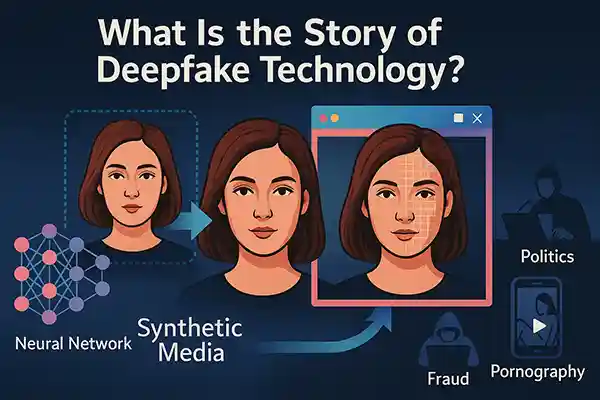
Image 2: From novelty to nuisance – the arc of synthetic media reshaping trust and accountability.
Click Here to Read What Is Behind Nvidia’s $5 Billion Lifeline to Intel…
Did You Know?
Deepfake Technology
- The first viral deepfake appeared in 2017, swapping Hollywood faces into movie scenes
- Around 90% of deepfakes target women – most in explicit contexts
- Deepfakes are now used in training future AI models – potentially spreading manipulated content even further
Did You Know?
Open-Source AI
- ‘Open-source’ means the code is publicly available – anyone can use or modify it
- Open-source models like DeepFaceLab and Stable Diffusion have fueled deepfake creation
- While open access drives innovation, it also removes accountability for misuse
Click Here to Read What Is NATO…
Deepfake Technology in Numbers
• 6.5 million+: Estimated global deepfake videos (2024)
• 550%+: Increase since 2022
• $25 million+: Fraud losses from deepfake scams (2023–24)
• 90%: Share of deepfakes depicting women
• $1–3 million: Avg. cost of a deepfake detection research project
Click Here to Watch Keynote Speeches and Interviews of World Leaders at WGF YouTube…
Historical Note
The seeds of deepfake technology were planted not in a Hollywood lab but in an academic one. In 2014, a young AI researcher named Ian Goodfellow created something revolutionary – Generative Adversarial Networks (GANs). His idea was elegant: let two neural networks compete – one generates images, the other detects fakes. Each round makes the generator smarter until its fakes look real.
Originally a thought experiment, GANs became the foundation of synthetic media. Within three years, Reddit hobbyists were swapping celebrity faces for fun. Within five, activists, journalists, and politicians were calling for global regulation.
The history of deepfakes, in essence, is the history of how creativity escaped control.
Click Here to Read What Is the Trump–Putin Alaska Summit About…
So, What Exactly Is Deepfake Technology?
Deepfake technology uses Generative Artificial Intelligence – specifically, machine learning models that analyze how people look, move, and speak. By studying patterns in thousands of real images and videos, AI learns to mimic them convincingly.
The result is synthetic media – fake videos, photos, or audio that appear authentic. The same method that creates breathtaking digital art can also impersonate a president, a teacher, or you.
Click Here to Watch WGF News on World Leaders at WGF TV…
How Are Deepfakes Being Misused?
From humiliation to heists, deepfakes have become digital weapons.
- Personal harm: Victims like Sophie in Scotland experience mental distress and social stigma
- Celebrity exploitation: Bollywood actors are battling AI-generated ‘love stories’ that distort reality
- Corporate fraud: Deepfake CEO calls have led to multimillion-dollar thefts
- Political misinformation: Altered speeches and fabricated war footage have spread chaos online
Each misuse chips away at a common foundation – trust.
Click Here to Read What Is A Ceasefire Agreement…
What Is Open-Source AI?
Open-source AI refers to freely accessible AI code or models that anyone can download, modify, and use. This openness fuels innovation – but also misuse.
Platforms like Hugging Face and GitHub host open AI models for transparency, yet the same openness allows bad actors to generate convincing lies.
In short, open-source AI democratized technology – but not ethics.
Click Here to Read What Is De-Dollarisation…
What Is an Algorithm?
An algorithm is a set of step-by-step instructions computers follow to solve problems.
In deepfakes, algorithms guide how AI detects patterns – facial movements, lighting, and voice tone – to recreate realistic outcomes.
They are neither good nor evil; their impact depends entirely on human intent.
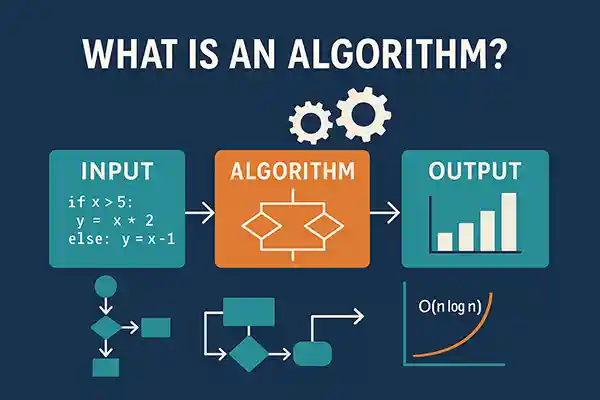
Image 3: Lines of logic become lines of consequence – code choices echo in human lives.
Click Here to Read What Is the Hiroshima Atomic Bombing’s Legacy – 80 Years Later…
What Is Synthetic Media?
Synthetic media refers to any image, video, audio, or text created or altered by artificial intelligence rather than recorded from real life. It includes AI-generated voices, faces, art, newsreaders, and even digital influencers.
While deepfakes are the most controversial form, synthetic media also powers positive innovation – virtual classrooms, inclusive dubbing for films, and preservation of historical voices.
The boundary between creativity and deception depends not on the technology itself but on intent and disclosure. As experts often say, synthetic doesn’t always mean sinister – until it’s used without consent.
Click Here to Read What Is the Russian Volcano Eruption After 500 Years…
What Is Digital Kidnapping?
‘Digital kidnapping’ occurs when someone steals your online likeness – photo, voice, or identity – to create fake or harmful content.
In Sophie’s case, her image was taken from social media and used without consent, a digital version of being ‘held hostage’ by her own data.
Click Here to Read What Is Coral Bleaching…
What Are Personality Rights?
Personality rights protect how an individual’s identity – name, image, voice, or likeness – can be used commercially or publicly.
In India, stars like Aishwarya Rai Bachchan are asserting these rights against AI misuse, arguing that digital replicas of their faces without consent violate their personal and professional dignity.
Click Here to Read What Is Botox…
What Are Digital Likeness Rights?
Closely related to personality rights, digital likeness rights extend protection into the virtual realm. They ensure that your AI-generated image, avatar, or voice clone cannot be used without permission – a legal frontier most countries are still defining.
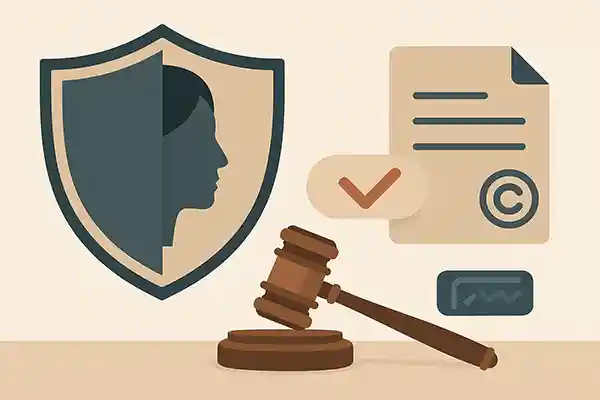
Image 4: Consent is the new copyright – your face, voice, and name are not public domain.
Click Here to Read What Is Giorgio Armani’s Legacy…
What Are Generative Adversarial Networks (GANs)?
GANs are the engine of deepfake creation. They consist of two AI systems:
- The Generator creates fake images or videos
- The Discriminator tries to detect if they’re fake
As they compete, both improve – until the fake becomes indistinguishable from the real.
This constant duel between ‘creator’ and ‘critic’ gave deepfakes their startling realism.
Click Here to Read What Is Tesla’s New ‘Affordable’ Model 3 & Model Y…
What Are Transformer-Based AI Models?
Transformers are newer AI architectures that can process massive data sequences – text, sound, or pixels – simultaneously.
Unlike GANs, which rely on visual imitation, transformers can understand context and generate coherent video scripts or lip movements.
They’re the backbone of next-generation tools like OpenAI’s Sora or Google’s Gemini Vision.
Click Here to Read What Is a Blizzard…
What Is a Video Authenticator?
A Video Authenticator is a digital forensics tool that analyzes videos for authenticity. By analyzing lighting, pixel noise, and facial movements, it identifies tampering patterns invisible to the human eye.
Tech firms like Microsoft and startups at Abertay University are building such systems to help law enforcement verify truth in the age of AI illusions.
Click Here to Read What Is ‘The Life of a Showgirl’…
What Are Governments and Tech Platforms Doing About It?
Governments worldwide are scrambling for solutions:
- The UK and Scotland are drafting AI-specific offences
- India’s courts are expanding personality rights
- The EU’s AI Act proposes mandatory AI-content labels
Platforms like YouTube and Meta now tag synthetic content – though enforcement remains inconsistent.
The consensus: the fight against deepfakes requires coordination – not isolation – across governments, platforms, and users.
Click Here to Read What Is a Government Shutdown…
Can Deepfakes Be Detected or Prevented?
Detection tools are improving but always lag one step behind. AI forensic systems look for inconsistencies in eyes, teeth, or speech rhythm – but generative models are evolving faster.
Experts say the only long-term solution is transparency: mandatory disclosure of AI-generated content, digital watermarking, and stronger international law. Until then, skepticism may be our most reliable filter.
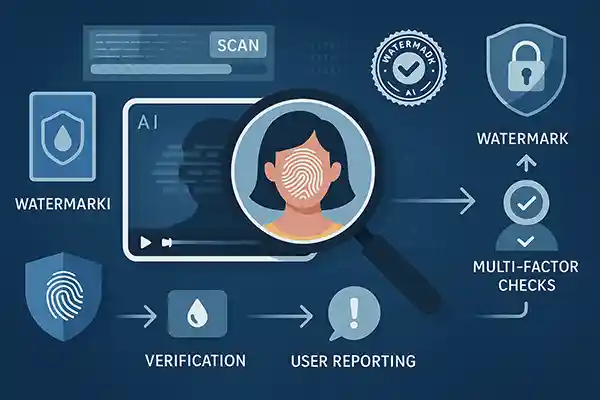
Image 5: Detection is a race we cannot afford to lose – verify first, believe later.
Click Here to Read What Is the Letitia James Indictment…
WGF Take – How Deep Is Human Depravity and How Fake Is Human Character?
Deepfakes are no longer science fiction – they’re the new social reality. The deepfake debate is not just about technology – it’s about generating or maintaining faith. So, the challenge isn’t only stopping fake videos – it’s rebuilding trust in truth. In a world where anyone’s image can be stolen, the real threat isn’t only deception – it’s the erosion of credibility itself. Laws will catch up, and AI will evolve safeguards, but human vigilance remains our first defence.
The next great AI revolution won’t be about generating better illusions, but protecting what’s real. Until then, remember: your image, your voice, and your digital self are part of your identity – and deserve the same rights as your name.
Essentially, deepfake technology reveals more about humans than machines. The algorithms don’t choose cruelty – we do. The problem isn’t just deep learning; it’s shallow morality. We built a tool capable of infinite creation – and instantly used it for exploitation.
In the end, the real test isn’t whether AI can mimic reality; it’s whether humans can preserve authenticity. Deepfakes might fake faces – but they’ve unmasked human intent.
Follow World Growth Forums on the following for more updates…