
Economy & Trade
World Growth Forums Magazine

Keynote Speech by Dr Alfredo Sfeir-Younis _ WGF-GBIF Thailand 2024
What Is De-Dollarisation?
Why Are Countries Talking About It?
In a significant shift shaking up the global economic order, more and more countries are actively exploring ways to reduce their dependence on the US dollar. From China and Russia to Brazil and India, the idea of ‘de-dollarisation’ – once seen as radical – is now a central theme in international trade and finance discussions.
So, why now? And what does this mean for the future of global power, currency markets, and economic alliances? Let’s break it down.
Image 1: De-dollarisation is fast becoming a key term in global economic debates – but what does it actually mean and why now?
Click Here to Know More About WGF Felicitations…
When Did the Talk of De-Dollarisation Begin?
The roots of de-dollarisation go back decades – but the conversation gained serious traction after Russia’s invasion of Ukraine in 2022, when the US and its allies froze hundreds of billions of Russia’s dollar reserves.
This action sent a chilling message to many nations: “Your dollar holdings aren’t as safe as you thought.”
In response, countries started to reconsider the risks of holding too many US dollars or relying on it for trade.
Even before this, countries like China and Iran had already been advocating alternatives due to trade sanctions. But post-2022, the idea transformed from diplomatic posturing into tangible economic strategies.
Image 2: From financial crises to geopolitical sanctions, the journey toward de-dollarisation didn’t happen overnight.
Click Here to Read What Is A Ceasefire Agreement…
What Does De-Dollarisation Actually Mean?
De-dollarisation refers to the process of reducing the dominance of the US dollar in global trade, finance, and reserves. This doesn’t necessarily mean ditching the dollar entirely – rather, it means:
- Conducting bilateral trade in local currencies (e.g., rupee-ruble, yuan-riyal)
- Using non-dollar-denominated assets for reserves (like gold or euros)
- Creating or joining regional payment systems outside of SWIFT
For countries under US sanctions, it’s a survival mechanism. For others, it’s about asserting economic sovereignty and hedging against geopolitical risks.
Image 3: Reducing dependence on the US dollar means reshaping how nations trade, store value, and settle payments.
Click Here to Read More under WGF What Is Series…
Why Are Countries Moving Away from the Dollar Now?
There are several reasons why de-dollarisation is gaining momentum in 2025:
- Weaponisation of the Dollar: The US has increasingly used the dollar system as a geopolitical tool – via sanctions and freezing of assets.
- Inflation and Debt in the US: Rising US deficits and inflation have led many countries to question the long-term value of the dollar.
- Emerging Economic Blocs: BRICS+, ASEAN, and others are pushing for greater independence from Western systems.
- Technology and Digital Currencies: Central Bank Digital Currencies (CBDCs) make it easier to settle international payments without using the dollar.
The dollar remains strong – but trust in its neutrality is weakening.
Image 4: Geopolitical tensions, inflation fears, and shifting alliances are driving countries to reconsider the dollar’s dominance.
Click Here to Read WGF Blogs from World Leaders…
How Are Nations Trying to Reduce Dollar Dependence?
Different countries are taking different paths:
- China is signing yuan-settlement agreements with the Middle East and Latin America
- India has been settling oil payments with Russia in rupees
- Brazil and Argentina have explored a common currency for South American trade
- Russia and Iran are building an alternative SWIFT-like system
- BRICS is reportedly working on a shared reserve currency, backed possibly by a basket of commodities or currencies
Even ASEAN countries are discussing trade settlements in local currencies, signaling a growing global appetite for alternatives.
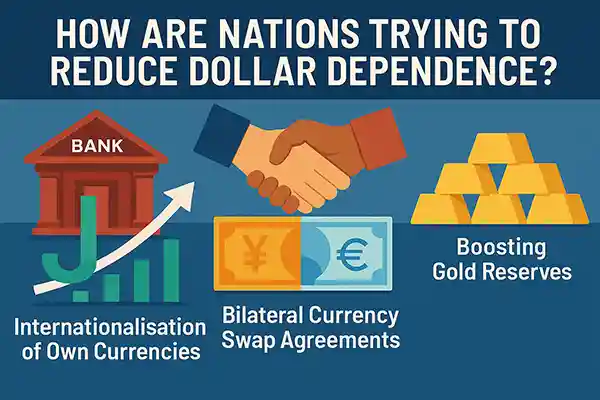
Image 5: From promoting local currencies to boosting gold reserves – nations are getting creative in escaping dollar reliance.
Click Here to Watch Keynote Speeches and Interviews of World Leaders at WGF YouTube…
Which Countries Are Leading the De-Dollarisation Efforts?
Here are the key players:
- China: Promoting the yuan for trade, especially in oil, and offering currency swap lines
- Russia: Forced into de-dollarisation after sanctions; now relies on yuan, rubles, and gold
- India: Settling trade in rupees with sanctioned or friendly nations
- Brazil: Partnering with China on yuan-settled trade
- Iran & Venezuela: Using gold, crypto, and barter to bypass the dollar
- The BRICS bloc (Brazil, Russia, India, China, South Africa) is leading the charge through collective agreements
Together, these countries represent a significant share of global GDP, trade, and energy exports.
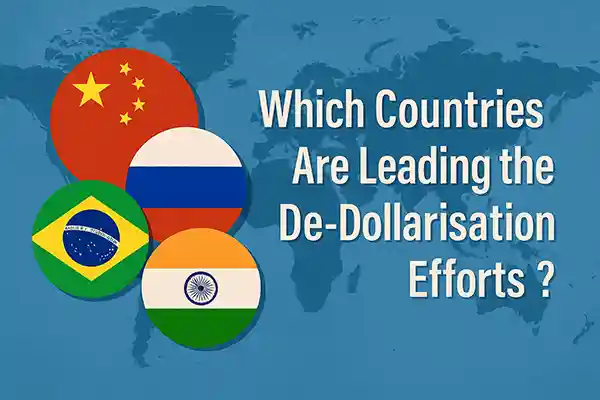
Image 6: China, Russia, India, and Brazil are leading the charge toward a multipolar financial world order.
Click Here to Watch WGF News on World Leaders at WGF TV…
What Are the Risks and Challenges of De-Dollarisation?
While momentum is building, de-dollarisation is not without its hurdles:
- Trust and Liquidity: The US dollar remains the most liquid, trusted, and stable currency
- Network Effects: Global systems like SWIFT, Visa, and major banks are deeply dollar-centric
- Exchange Rate Volatility: Local currencies fluctuate more, making trade riskier
- Lack of Infrastructure: Cross-border systems and dispute mechanisms for alternatives are still underdeveloped
For many countries, replacing the dollar is not just a financial shift – it’s a massive political and technical transition.
Image 7: Breaking away from the dollar comes with risks: instability, limited trust in alternatives, and liquidity challenges.
Click Here to Read What Is NATO…
Can De-Dollarisation Really Change the Global Financial System?
Short-term? Probably not.
Long-term? Yes – if the trend continues.
The dollar’s dominance was built over decades – and unwinding it won’t be quick or easy. But the global financial system is clearly multipolarising.
What we’re seeing is not a total collapse of the dollar – but a rebalancing. A world where the dollar coexists with multiple powerful regional currencies and new digital financial systems.
The more countries get used to doing business without the dollar, the more normalised it becomes.
Image 8: De-dollarisation might not dethrone the dollar today, but it’s steadily reshaping the future of global finance.
Click Here to Read What Is Indian Premier League…
WGF Take: Is This the End of the Dollar’s Reign – or Just Noise?
De-dollarisation is no longer just a theoretical debate – it’s becoming a strategic reality.
From energy deals in yuan to gold-backed settlements, the world is testing financial independence.
But while the dollar may lose some dominance, it’s far from dethroned.
Its trust, liquidity, and network are unmatched – at least for now.
Still, the message is clear: A more diversified and decentralised global economy is emerging.
And in that world, the dollar will need to share the stage.
The movement away from the US dollar is no longer limited to rogue regimes or fringe economists. What was once whispered in closed-door diplomatic meetings is now playing out in bond markets, trade negotiations, and central bank reserves. De-dollarisation is a real trend – not just a rhetorical threat.
While the US dollar remains the world’s most used currency, signs of stress are undeniable. According to Deccan Herald, the dollar had its worst first-half performance since 1973, losing nearly 10% of its value against a basket of major currencies in the first six months of 2025. Meanwhile, the euro has strengthened and gained popularity as a reserve currency alternative, especially among European and Asian investors.
The reasons are multifaceted:
- Some countries seek independence from Western sanctions.
- Others want to diversify reserves to reduce exposure to US fiscal instability.
- And many are reacting to increasingly volatile and erratic US policies that shake global confidence.
In a recent Bank of America survey, fund managers reported their lowest dollar exposure since 2005, according to CNN and Reuters. Similarly, according to BlackRock’s strategist, Gargi Chaudhuri, investors are increasingly exploring non-dollar investment strategies due to uncertainty in the US political and economic environment.
The US national debt, now over $40 trillion, is also a growing concern. As Washington continues to rely on debt-funded stimulus and tax cuts, investors fear inflation and weakening purchasing power. These worries are leading many nations and private institutions to issue and invest in debt denominated in other currencies – including the yuan, euro, yen, and Swiss franc.
Even emerging markets, once heavily reliant on the dollar for external borrowing, are now diversifying. A surge in non-dollar debt sales has been reported across Latin America, Southeast Asia, and Africa. These shifts, though technical, are highly symbolic – showing a willingness to decouple from the dollar’s global gravitational pull.
At the same time, the BRICS bloc continues to push forward with its common reserve currency plan, expected to be commodity-backed and partially digitised. The aim is not just to facilitate South–South trade, but to present a real alternative to US-led systems like SWIFT, which many countries view as being too vulnerable to geopolitical manipulation.
That said, we must remain grounded in economic reality.
The US dollar still accounts for:
- ~59% of global foreign exchange reserves
- ~85% of global forex transactions, and
- remains the most liquid and trusted asset in times of crisis
No single currency is ready to replace it. What we’re seeing is a gradual diversification, not a dethronement.
- De-dollarisation is real – but limited
- It’s not a sprint, but a slow marathon
- The world is not abandoning the dollar – it is simply giving itself options
This, in many ways, is the essence of the new economic world order: decentralised, multipolar, and pragmatic.
The next 5–10 years may not see the fall of the dollar – but they may well witness the rise of alternatives, building a more balanced global monetary system.
And that’s why WGF believes the talk of de-dollarisation is not just noise – it’s the early sound of a long, historical shift already in motion.
Follow World Growth Forums on the following for more updates…