
Environment

World Growth Forums Magazine

Keynote Speech by Dr Alfredo Sfeir-Younis _ WGF-GBIF Thailand 2024
What Is Coral Bleaching?
What Is Driving the Great Barrier Reef’s Worst Coral Decline on Record?
The Great Barrier Reef, often hailed as one of the world’s most magnificent natural wonders, is experiencing its most severe coral decline since monitoring began nearly four decades ago. According to a new report by the Australian Institute of Marine Science (AIMS), both the northern and southern regions of the reef have been steadily losing coral cover over the past year. The latest data shows unprecedented damage driven primarily by extreme marine heatwaves. Scientists warn the reef is approaching a tipping point where it may no longer recover between catastrophic events.
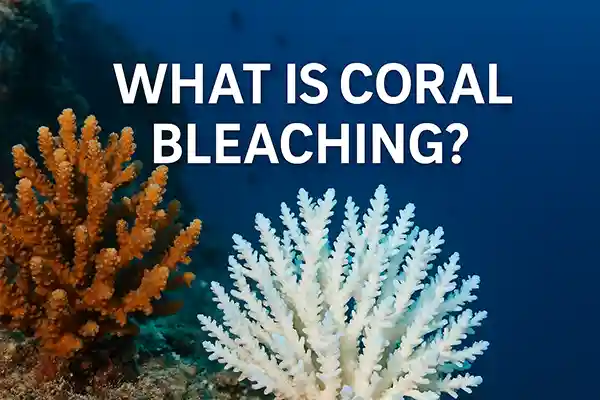
Image 1: Rising ocean temperatures are stripping corals of their colour, threatening the survival of one of the planet’s most vital ecosystems.
Click Here to Read WGF Blogs from World Leaders…
What Is Coral Bleaching and Why Does It Happen?
Coral bleaching occurs when corals, stressed by environmental factors such as unusually high water temperatures, expel the symbiotic algae (zooxanthellae) that live inside their tissues and give them colour and energy. These algae give corals both their vibrant colours and most of their energy through photosynthesis. Without these algae, corals turn ghostly white and become more vulnerable to disease and death.
Even a small temperature increase – as little as 1°C above the coral’s thermal limit for two months – can trigger bleaching. A 2°C rise can be fatal in just a month. The bleaching event of 2024–2025 was particularly severe, fuelled by climate change and the El Niño weather pattern, which combined to create prolonged marine heatwaves across vast stretches of the reef.
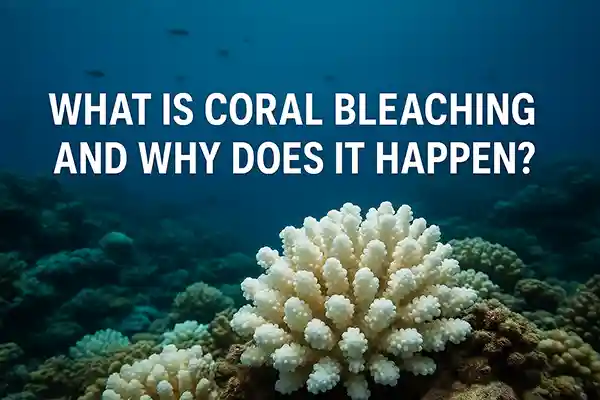
Image 2: Coral bleaching happens when stressed corals expel algae, losing both color and vital nutrients.
Click Here to Read What Is Israel’s Gaza City Takeover Plan…
What Is the El Niño Weather Pattern?
El Niño is a naturally occurring climate phenomenon characterised by the warming of surface waters in the central and eastern tropical Pacific Ocean. It typically occurs every two to seven years and can last from several months to over a year.
During El Niño events, the usual trade winds weaken, allowing warm water to shift eastward. This disrupts global weather patterns, often leading to hotter conditions in Australia and the western Pacific, heavier rainfall in some regions, and drought in others.
For coral reefs, El Niño can be devastating because it raises sea surface temperatures for extended periods, increasing the likelihood and intensity of coral bleaching events. The 2024 El Niño intensified already-warming oceans, pushing many reef systems, including the Great Barrier Reef, beyond their survival thresholds.
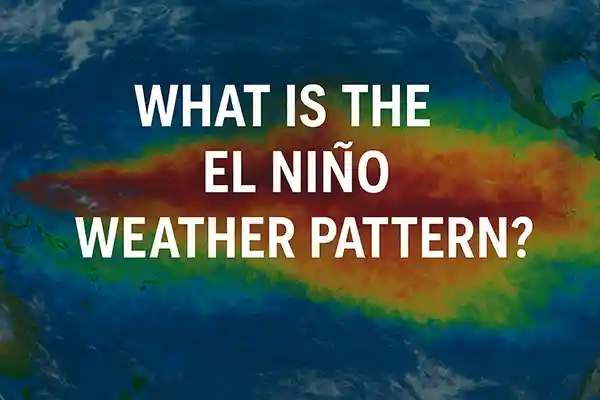
Image 3: El Niño events intensify marine heatwaves, accelerating coral bleaching across vulnerable reefs.
Click Here to Read More under WGF What Is Series…
How Bad Is the Damage in 2024–2025?
The AIMS survey, conducted between August 2024 and May 2025, found coral cover declined by 25–33% across the reef’s three main regions. In some of the hardest-hit areas in the north and south, the decline reached up to 70%.
The most affected species were Acropora corals – fast-growing but extremely vulnerable to heat stress. These corals had driven much of the reef’s recovery in recent years, but scientists warned they were ‘one bad summer away’ from severe losses. That bad summer arrived in 2024.
Image 4: The latest surveys reveal the Great Barrier Reef facing its most severe decline in decades.
Click Here to Read What Is NATO…
What Is the Role of Climate Change and Marine Heatwaves?
Oceans absorb about 90% of the excess heat generated by human-induced climate change. This heat accumulation is driving marine heatwaves – prolonged periods of unusually high sea surface temperatures – with increasing frequency and severity.
The Great Barrier Reef’s 2024 bleaching event had the largest spatial footprint ever recorded, impacting all three of its main regions simultaneously. These heatwaves not only trigger mass bleaching but also weaken corals’ ability to recover, as temperatures often remain elevated long after the initial event.
Image 5: Climate change fuels stronger, longer marine heatwaves, putting reef ecosystems in peril.
Click Here to Watch Keynote Speeches and Interviews of World Leaders at WGF YouTube…
What Are the Other Threats Beyond Heat Stress?
While climate change is the primary driver, several other threats compound the reef’s vulnerability:
- Crown-of-thorns starfish – coral-eating predators whose numbers have surged due to nutrient-rich agricultural runoff
- Tropical cyclones – causing physical damage to reef structures
- Pollution and sediment runoff – reducing water quality and light penetration, slowing coral growth
In 2025, large-scale culling programmes killed over 50,000 crown-of-thorns starfish, preventing severe outbreaks in central reef areas – one of the few positive developments in the report.
Image 6: Overfishing, pollution, and coastal development add to the pressures threatening coral survival.
Click Here to Watch WGF News on World Leaders at WGF TV…
What Is the Great Barrier Reef?
The Great Barrier Reef is the world’s largest coral reef system, stretching over 2,300 km along Australia’s northeast coast and covering 345,000 square km. It is home to over 1,500 fish species, 411 hard coral species, and thousands of other marine life forms, making it one of the most biodiverse ecosystems on the planet.
Recognised as a UNESCO World Heritage site since 1981, the reef supports a multi-billion-dollar tourism industry, protects coastlines from storms, and holds immense cultural value for Indigenous Australians. It is often described as the ‘rainforest of the sea’ due to its ecological richness.
Image 7: The world’s largest coral reef system is a living treasure and a global heritage.
Click Here to Read What Is A Ceasefire Agreement…
Why the Great Barrier Reef Matters Globally?
Coral reefs like the Great Barrier Reef provide vital ecosystem services:
- Biodiversity – serving as nurseries for about 25% of all marine species
- Coastal protection – absorbing wave energy and reducing storm damage
- Economic benefits – through tourism, fishing, and associated industries
The reef’s health is closely tied to global ocean health, making its decline a warning sign for marine ecosystems everywhere.
Image 8: Healthy reefs safeguard biodiversity, protect coastlines, and support millions of livelihoods.
Click Here to Read What Is De-Dollarisation…
Can the Reef Recover – or Is It Near a Tipping Point?
Historically, the Great Barrier Reef has shown resilience, rebounding from bleaching events when given enough time – usually a decade or more – without major disturbances. But such recovery windows are becoming increasingly rare.
AIMS warns that if severe bleaching events continue to occur every few years, the reef’s corals may not have the opportunity to regrow before the next crisis, pushing the ecosystem towards a ‘point of no return’.
Image 9: Scientists warn that without urgent action, the reef may cross an irreversible tipping point.
Click Here to Read What Is the Hiroshima Atomic Bombing’s Legacy – 80 Years Later…
What Is Ningaloo Reef?
Located on Australia’s western coast, Ningaloo Reef is the country’s second-largest coral reef system, stretching over 260 km. It is famous for its whale shark migrations and vibrant marine biodiversity.
In 2025, Ningaloo suffered widespread bleaching at the same time as the Great Barrier Reef – the first time both major reef systems in Australia experienced mass bleaching simultaneously. This event highlights the scale of warming impacts on coral ecosystems nationwide.
Image 10: Australia’s other great reef shows how conservation can protect marine wonders.
Click Here to Read What Is the Trump–Putin Alaska Summit About…
What Are the Global Lessons from Australia’s Reef Crisis?
The Great Barrier Reef’s plight is mirrored in coral reefs worldwide, from the Caribbean to Southeast Asia. Rising sea temperatures, pollution, and overfishing are eroding the resilience of these ecosystems.
The simultaneous bleaching of the Great Barrier and Ningaloo reefs shows that climate-driven marine heatwaves are now capable of affecting vast geographic areas at once. The crisis underscores the need for:
- Global climate cooperation to reduce greenhouse gas emissions
- Local conservation efforts to improve water quality and reduce other stressors
Investment in reef restoration and adaptation research to help corals survive in warmer oceans
Image 11: The Great Barrier Reef crisis offers critical lessons for ocean protection worldwide.
Click Here to Read What Is the Russian Volcano Eruption After 500 Years…
WGF Take – Is Global Warming Fast Turning into Global Warning?
The Great Barrier Reef’s record-breaking coral decline is more than a regional disaster; it’s a global warning. As oceans warm and marine ecosystems collapse, the stakes extend far beyond Australia. Coral reefs are the nurseries of the seas, and their loss will reverberate across food chains, economies, and cultures worldwide.
The record coral decline on the Great Barrier Reef is not just an Australian tragedy – it’s a planetary alarm bell. As the oceans heat and marine ecosystems collapse, the consequences will ripple far beyond the tropics.
The economic cost of inaction will dwarf the investment needed today. Tourism, fisheries, and coastal protection services worth billions annually could vanish within a generation. The loss of biodiversity will weaken global food security and disrupt oceanic carbon cycles, accelerating climate change impacts.
Yet, while science has been clear for decades, political will remains inconsistent. Some nations are transitioning to renewable energy, but progress is slow compared to the urgency of the crisis. The reef’s decline should compel world leaders to treat climate change as the defining emergency of our time – not a distant threat, but a present danger.
Nature has given us a stark warning. If we ignore it, we will witness not only the collapse of coral reefs but the unraveling of interconnected ecosystems that sustain life on Earth. The reef’s fate hinges on rapid, decisive climate action – from accelerating the shift to renewable energy, to cutting agricultural runoff, to scaling marine restoration projects. The world must treat this crisis with the urgency it deserves. The Great Barrier Reef has proven it can recover if given the chance. The question is: will humanity act in time to give it that chance?
Follow World Growth Forums on the following for more updates…