
Environment

World Growth Forums Magazine

Keynote Speech by Dr Alfredo Sfeir-Younis _ WGF-GBIF Thailand 2024
What Is a Jellyfish Swarm Shutdown?
How Can It Halt a Nuclear Power Plant?
On Monday, 11 August 2025, four reactors at France’s Gravelines nuclear power plant – one of Europe’s largest – were abruptly taken offline after a massive swarm of jellyfish clogged the facility’s seawater cooling system. While officials stressed there was no danger to the public or the environment, the rare incident has raised intriguing questions about how delicate the balance is between critical infrastructure and the natural world. From warming seas to invasive species, the story reveals far more than a quirky maritime mishap – it’s a snapshot of the complex challenges facing global energy systems in a changing climate.
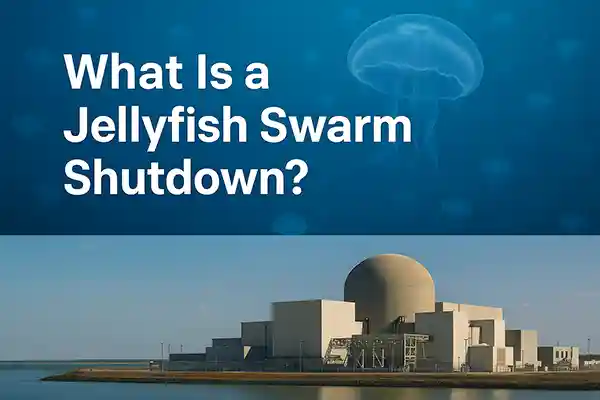
Image 1: When marine life meets critical infrastructure, the results can be unexpectedly disruptive.
Click Here to Read WGF Blogs from World Leaders…
What Is a Jellyfish Swarm Shutdown?
A jellyfish swarm shutdown occurs when large numbers of jellyfish congregate in the seawater intake channels of a power plant, blocking cooling water flow. This forces the plant to shut down as a safety measure. While rare, such incidents have happened globally, including in Scotland, Sweden, and now at Gravelines, France.

Image 2: A rare phenomenon where jellyfish blooms force power plants to halt operations for safety.
Click Here to Read What Is Israel’s Gaza City Takeover Plan…
How Can It Halt a Nuclear Power Plant?
Nuclear power plants require vast amounts of water for cooling. If the intake system becomes blocked – whether by debris, ice, or jellyfish – the flow of water to the cooling system drops below safe levels. Automatic safety protocols then trigger a reactor shutdown to prevent overheating.
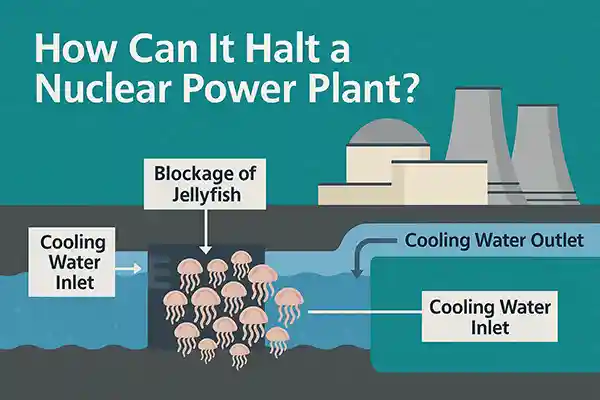
Image 3: Blocked cooling water intakes can bring even the most advanced power stations to a standstill.
Click Here to Read More under WGF What Is Series…
What Was the Unusual Shutdown at Gravelines Nuclear Plant?
Located between Dunkirk and Calais on France’s northern coast, the Gravelines nuclear power plant plays a vital role in the country’s energy supply, with its six reactors producing a total of 5.4 gigawatts of electricity. On the night of 10 August, four of these reactors – Units 2, 3, 4, and 6 – shut down automatically when the plant’s cooling system filters became clogged with an ‘unpredictable’ swarm of jellyfish. The remaining two units were already offline for planned maintenance, meaning the entire facility temporarily halted electricity generation.
EDF, the plant’s operator, confirmed there was “no impact on the safety of the facilities, the safety of personnel, or the environment”. Plant teams are now cleaning and inspecting the systems before restarting operations.
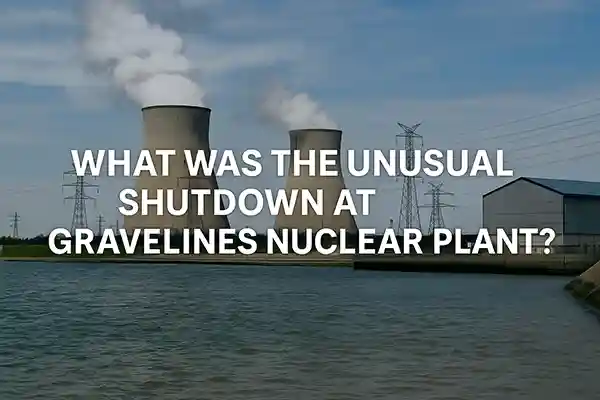
Image 4: France’s largest nuclear facility faced a total halt after four reactors shut down in a single night.
Click Here to Read What Is NATO…
How Jellyfish Can Disrupt Nuclear Power Generation?
Nuclear power plants located near seas or large lakes often rely on huge volumes of water to cool their reactors. At Gravelines, seawater is drawn in through intake channels connected to the North Sea, passing through filters designed to block debris and marine life. However, jellyfish – because of their soft, gelatinous bodies – can slip through initial screens and become trapped in secondary drum filters.
When large numbers gather, they can block water flow to the cooling system, triggering an automatic safety shutdown. Similar incidents have occurred in the past, including at Scotland’s Torness nuclear plant in 2011 and Sweden’s Oskarshamn plant in 2013.
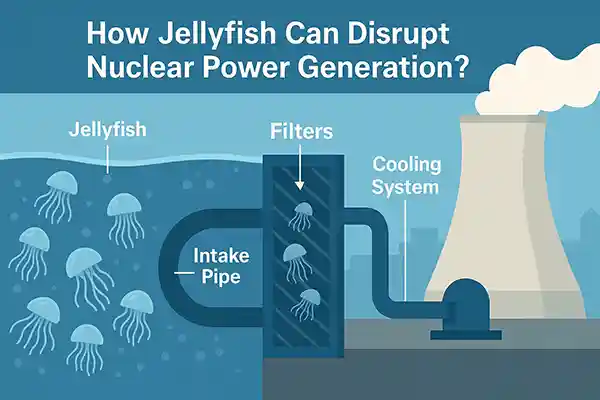
Image 5: Soft-bodied swarms can slip past filters, clog systems, and trigger automatic shutdowns.
Click Here to Watch Keynote Speeches and Interviews of World Leaders at WGF YouTube…
Why Jellyfish Blooms Are Becoming More Frequent?
Marine biologists say jellyfish blooms – large gatherings or ‘swarms’ – are becoming more common due to a combination of environmental factors. Rising sea temperatures extend jellyfish breeding seasons and increase plankton growth, which attracts jellyfish closer to the surface.
The summer of 2025 has brought record-breaking heatwaves to Western Europe, creating ideal conditions for blooms in the North Sea. Jellyfish expert Ruth Chamberlain notes that most jellyfish are poor swimmers, meaning they drift with currents and are easily drawn toward man-made water intakes.
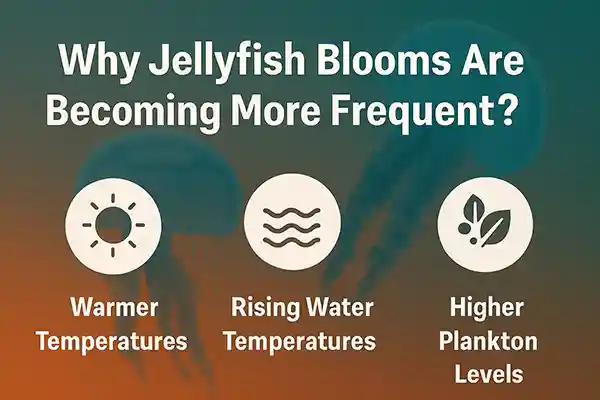
Image 6: Warmer seas and rising plankton levels are creating the perfect storm for jellyfish blooms.
Click Here to Watch WGF News on World Leaders at WGF TV…
What Is the Invasive Species Factor?
Adding to the problem is the spread of invasive species. The Asian Moon jellyfish, native to the Pacific Northwest, was first sighted in the North Sea in 2020. This species thrives in still waters rich in plankton, such as ports, canals, and cooling water channels. It is believed that invasive jellyfish often travel via the ballast water of cargo ships, entering at one port and being released thousands of kilometres away.
Similar swarms of this species have disrupted nuclear facilities in China, Japan, and India – showing that the Gravelines incident is part of a broader global pattern.

Image 7: The spread of non-native jellyfish adds a new layer of complexity to marine ecosystem management.
Click Here to Read What Is A Ceasefire Agreement…
What Is the Broader Environmental Context?
Experts warn that such events highlight the unintended environmental consequences of industrial systems. Nuclear power is often promoted as a clean energy source, but like all thermal power plants, it produces ‘heat pollution’ when warm water is discharged back into the environment. This can subtly alter local ecosystems, sometimes creating favourable conditions for species like jellyfish.
With climate change increasing the frequency of marine heatwaves, these ‘low-probability, high-disruption’ events could become less rare, forcing operators to adapt their designs and procedures.

Image 8: Climate change and industrial impacts are reshaping the delicate balance between nature and technology.
Click Here to Read What Is De-Dollarisation…
Is This a Safety Threat?
Authorities have been quick to emphasise that the Gravelines incident is a non-nuclear event. The jellyfish swarm clogged filters in the non-reactor parts of the cooling system, and there was no release of radiation or harm to plant workers.
For the public, the most noticeable impact is the temporary loss of electricity production from one facility – something that can be compensated for in France’s national grid. The clean-up is expected to be relatively quick, with reactors likely to restart once systems are cleared and inspected.
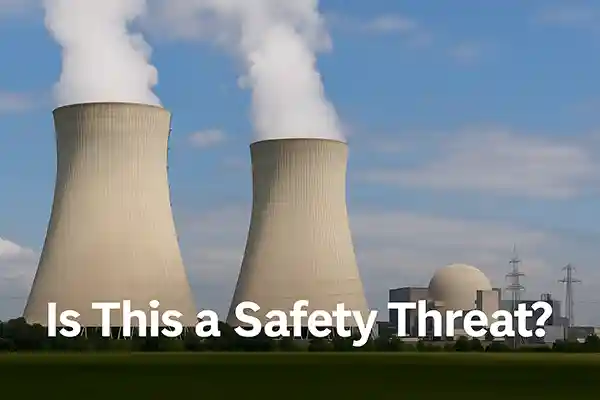
Image 9: While the incident posed no nuclear danger, it reveals vulnerabilities in coastal energy systems.
Click Here to Read What Is the Hiroshima Atomic Bombing’s Legacy – 80 Years Later…
What Is Heat Pollution? Is This an Additional Form of Pollution?
Heat pollution – also known as thermal pollution – occurs when industrial processes release heated water or air back into the environment, altering local ecosystems. Nuclear plants discharge warmer water into seas or rivers after cooling their reactors. While it is not as visible as air or plastic pollution, thermal pollution can disrupt aquatic life, favouring heat-tolerant species like jellyfish while stressing others. This makes it an additional environmental pressure alongside air, water, soil, and noise pollution.

Image 10: Thermal discharges from power plants can subtly change local ecosystems over time.
Click Here to Read What Is the Trump–Putin Alaska Summit About…
How Does a Nuclear Power Plant Work?
A nuclear plant generates heat through controlled nuclear fission – splitting uranium or plutonium atoms inside a reactor. The heat produces steam, which drives turbines connected to generators, producing electricity. Cooling systems using water are critical for controlling reactor temperature and condensing steam back into water for reuse.
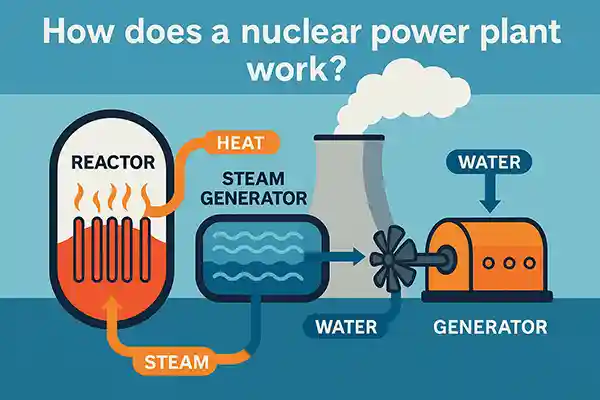
Image 11: A carefully managed chain of reactions transforms atomic energy into electricity for millions.
Click Here to Read What Is the Russian Volcano Eruption After 500 Years…
How Does a Nuclear Power Plant Generate Electricity?
Nuclear power plants follow this process:
- Nuclear Fission – Uranium fuel rods inside the reactor release heat when atoms split.
- Heat Transfer – This heat boils water into high-pressure steam.
- Turbine Rotation – Steam drives turbine blades connected to an electric generator.
- Electricity Output – The generator converts mechanical energy into electricity for the power grid.
- Cooling & Recycling – Cooling water from an external source (like the sea) helps condense steam back into water for reuse.
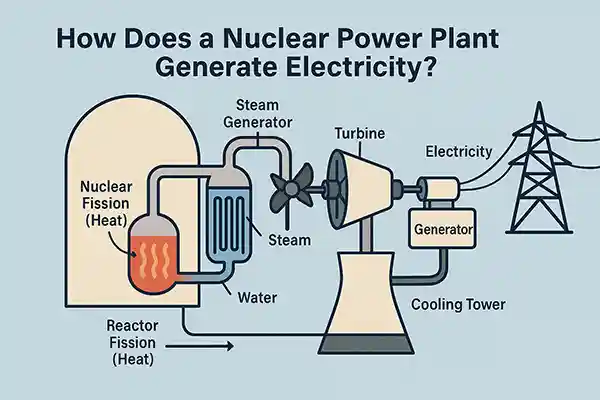
Image 12: From fission to the grid, a step-by-step process converts heat into usable power.
Click Here to Read What Is Coral Bleaching…
WGF Take – Why Humanity Must Respect Nature to Survive?
While a swarm of jellyfish shutting down a nuclear power plant may sound like an odd footnote in the news cycle, it is actually a warning signal for the future. Climate change, global shipping, and industrial heat output are reshaping marine ecosystems in ways that can directly affect critical infrastructure. The incident at Gravelines is a reminder that ‘clean’ energy solutions still depend on – and are vulnerable to – the natural environment. Energy security in the 21st century will not just be about fuel sources and technology, but also about understanding and managing the ecological systems that surround them.
The Gravelines shutdown is a warning about our relationship with the natural world. The jellyfish did not ‘attack’ the plant; they simply followed the environmental conditions we have shaped: warmer waters, altered ecosystems, and global species transport through shipping.
Nature’s systems operate with a complexity and interdependence that technology cannot override without consequences. Energy infrastructure may be engineered to withstand storms, earthquakes, or mechanical failure, but nature has infinite, subtle ways to test our resilience.
For humanity to secure its future, energy planning must integrate ecosystem awareness as seriously as engineering safety. This means anticipating biological disruptions, reducing environmental stressors like heat pollution, and accepting that technological dominance does not make us invincible. The Gravelines incident should serve as a reminder that respecting nature is not an environmental luxury – it is a survival necessity.
Follow World Growth Forums on the following for more updates…