
Science & Technology

World Growth Forums Magazine

Keynote Speech by Dr Alfredo Sfeir-Younis _ WGF-GBIF Thailand 2024
What Is A Data Breach?
How 2.5 Billion Users Got Caught in a Global Gmail Scam Web?
On August 8, Google began notifying users of a breach that has now been confirmed as one of the largest in its history, exposing 2.5 billion Gmail accounts. The incident re-emerged in headlines on August 27, as security experts warned of escalating scam risks. The attackers, linked to the hacker group ShinyHunters, exploited a Salesforce-connected Google database in one of the largest cyber incidents in history. Although no passwords were directly stolen, the stolen details are already being abused – with Gmail users reporting a surge in fake account alerts, spoofed calls, and fraudulent text messages.
This breach is more than a headline. It’s a reminder of how data breaches, social engineering, and phishing remain the biggest threats in today’s digital world. Let’s break it down.

Image 1: Data breaches expose more than systems – they expose trust itself.
Click Here to Read WGF Blogs from World Leaders…
What Is the Story of the Gmail Data Breach?
Google is no stranger to security threats. Past breaches – from the Google+ leaks (2018) to the OAuth phishing scams (2017–2018) – showed how even the biggest tech firm can be blindsided.
The spark this time came in June 2025, when hackers impersonating IT staff persuaded a Google employee to approve a malicious Salesforce-connected application. This gave them access to a Google database and opened the floodgates.
The defining moment came when Google’s Threat Intelligence Group (GTIG) confirmed that the hacker collective ShinyHunters had siphoned out massive datasets. Within weeks, users noticed a surge of phishing emails and spoofed login requests.
While Google downplayed the breach as exposing only ‘publicly available business information’, security experts warned that even such basic details are enough for scammers to launch targeted attacks at scale.
The transition from stolen data to weaponized scams happened quickly: attackers began impersonating Google staff, tricking users into sharing two-factor authentication codes and login credentials. What started as a breach of business data is now threatening the digital lives of billions.
Image 2: The Gmail breach began with a simple call – and ended with billions at risk.
Click Here to Read What Is Israel’s Gaza City Takeover Plan…
Did You Know?
Gmail
- Gmail has over 5 billion users worldwide, which means nearly one in three people on Earth rely on it
- According to Google, only one-third of Gmail users regularly update their passwords, leaving the majority more vulnerable to breaches
- The most commonly leaked passwords are still ‘123456’ and ‘password’, despite years of cybersecurity warnings
Did You Know?
Cybercrime
- Cybercrime is increasingly driven by data theft, extortion, and identity fraud rather than just traditional hacking
- Attackers are relying more on human deception than on breaking code, making social engineering a top threat
- Cybercrime now costs the global economy trillions of dollars every year, according to multiple security reports
Did You Know?
ShinyHunters
- The hacker group known as ShinyHunters was formed in 2020 and has been linked to some of the largest corporate breaches in recent years
- The group is notorious for using social engineering and Salesforce exploits to trick employees into granting access
- Security researchers warn that ShinyHunters may soon launch a dedicated data leak extortion site to pressure victims
Did You Know?
Cybersecurity
- Effective cybersecurity is built on a foundation of prevention, vigilance, and recovery rather than single tools
- Key protective measures include multi-factor authentication, passkeys, and regular security checkups
- The biggest challenge in cybersecurity remains human error, as attackers exploit trust more often than software flaws
Click Here to Read What Is NATO…
What Was the Google+ Leak of 2018?
In 2018, Google disclosed that its now-defunct social network, Google+, had suffered a major security flaw. The incident exposed the private data of more than 500,000 users – including names, email addresses, occupations, genders, and ages – even when profiles were set to private.
The breach was tied to vulnerabilities in Google+’s People API, which allowed third-party app developers to access user information they shouldn’t have been able to see. What made the case worse was that Google reportedly discovered the bug months earlier but delayed disclosure, fearing regulatory scrutiny and reputational damage.
The fallout was swift. Amid declining popularity and repeated criticism, Google announced that Google+ would be shut down for consumers in 2019. The scandal became a textbook example of two lessons:
- Even ‘niche’ platforms can cause massive privacy risks when integrated into wider Google services
- Transparency matters – Google’s hesitation to admit the leak deepened mistrust at a time when Facebook’s Cambridge Analytica scandal had already shaken public confidence in Big Tech
For users, the Google+ leak remains a reminder that data exposure doesn’t always come from hackers – sometimes it’s the platforms themselves that fail to secure what they collect.
Image 3: The Google+ leak showed early signs of how fragile digital privacy can be.
Click Here to Watch WGF News on World Leaders at WGF TV…
What Was the OAuth Phishing Scam of 2017–2018?
Back in 2017, Gmail users across the world were hit by a highly convincing phishing campaign that abused OAuth permissions – the same system that lets you log in to apps using your Google account.
The attack began with emails that looked like legitimate Google Docs invitations. When users clicked the link, they were taken to a real Google login screen and asked to ‘Allow’ access to what appeared to be a Google Docs app. In reality, it was a malicious third-party application cleverly disguised.
Once permissions were granted, the fake app could:
- Read the victim’s emails
- Access contact lists
- Automatically send further phishing invites to all contacts, spreading the attack virally
Within hours, more than 1 million accounts were affected before Google managed to shut down the malicious app and block the exploit.
The scandal highlighted two critical truths:
- Phishing doesn’t always require malware. Sometimes the most powerful trick is persuading users to click ‘Allow’.
- Even legitimate security frameworks like OAuth can be abused when users trust what looks familiar
For many, the OAuth scam was a wake-up call – proof that cyberattacks can hide in plain sight, and that security awareness is just as important as technical safeguards.
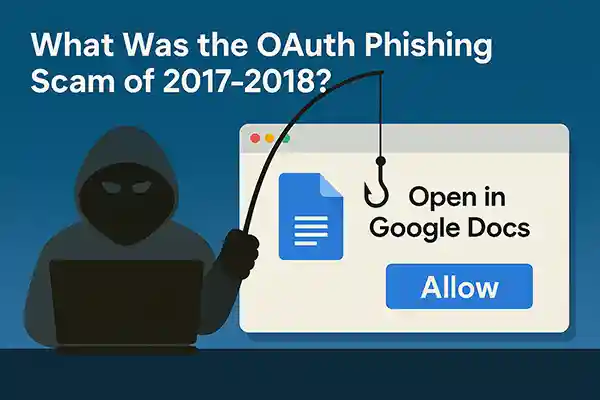
Image 4: The OAuth phishing scam proved that one careless click can compromise millions.
Click Here to Read What Is A Ceasefire Agreement…
What Is Google’s Threat Intelligence Group?
The Google Threat Intelligence Group (GTIG) is Google’s elite security team. Their role is to:
- Monitor global cyberthreats
- Investigate attacks against Google systems
- Warn users and issue protective measures
They were the first to confirm ShinyHunters’ role in the Gmail breach.
Image 5: Google’s Threat Intelligence Group is the unseen frontline against cybercrime.
Click Here to Read What Is De-Dollarisation…
What Is Data Loader?
A Salesforce tool meant for exporting and importing data.
- Legitimate use: syncing customer records
- Misuse: hackers repurpose it to siphon databases quietly
- In this breach: attackers used a Data Loader–like tool to extract Google-linked data at scale
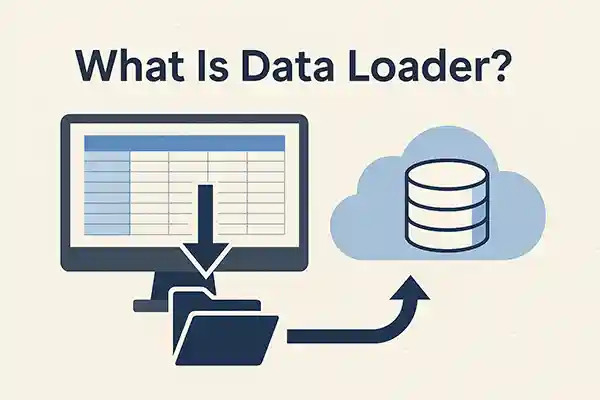
Image 6: A Salesforce tool built for efficiency became the hackers’ weapon of choice.
Click Here to Read What Is the Hiroshima Atomic Bombing’s Legacy – 80 Years Later…
How Did Hackers Breach Gmail’s Defenses?
The breach wasn’t caused by weak software – it was social engineering. Hackers called Google employees, pretended to be IT support staff, and tricked them into approving a malicious Salesforce app.
Once approved, attackers used tools similar to Salesforce’s ‘Data Loader’ to quietly siphon out records.
This highlights a sobering truth: the most advanced systems can be undone by a single convincing phone call.
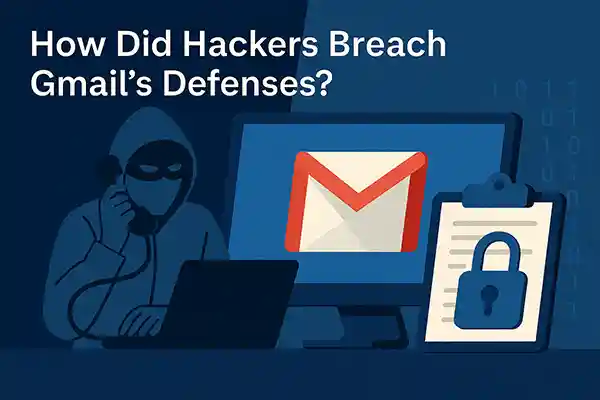
Image 7: Even the strongest systems can fall when human trust is exploited.
Click Here to Read What Is the Trump–Putin Alaska Summit About…
What Is Social Engineering?
A cybercrime method that targets people, not machines.
- Impersonation of authority figures
- Exploiting urgency (‘reset now or lose access’)
- Psychological tricks like fear, curiosity, or greed
The Gmail breach is a textbook example.
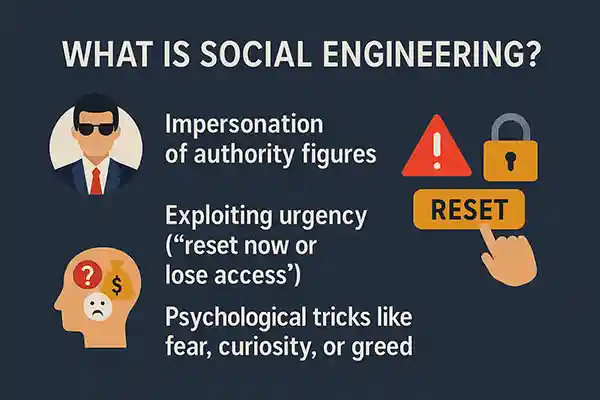
Image 8: Social engineering turns psychology into the hacker’s sharpest tool.
Click Here to Read What Is a Typhoon…
What Data Was Stolen – and Why It Matters Even Without Passwords?
Google confirmed that no passwords were directly exposed. Instead, hackers stole:
- Contact details (emails, phone numbers)
- Business names and notes
- Other metadata
Why does this matter? Because attackers don’t need passwords to cause chaos. With these details, they can:
- Send phishing emails pretending to be Google
- Call or text victims posing as support staff
- Pressure users into sharing login codes
- Launch brute-force attacks on weak passwords like ‘123456’
The breach is proof that even ‘harmless’ data can fuel full-scale cybercrime.
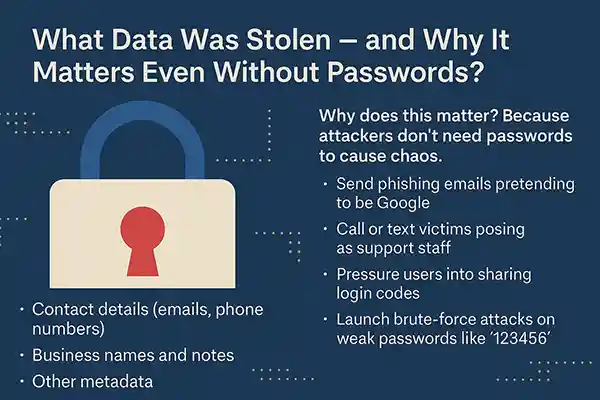
Image 9: Even without passwords, stolen details can fuel full-scale fraud.
Click Here to Read What Is Currency Revaluation…
Who Are ShinyHunters – and Why Should You Know Their Name?
ShinyHunters is a hacking collective formed in 2020, with a long list of high-profile breaches. Their victims include AT&T, Microsoft, Santander, and Ticketmaster.
They specialize in impersonation tactics and large-scale data theft for extortion. Security researchers believe that ShinyHunters, also tracked as UNC6040, may soon escalate by launching a dedicated data leak site to pressure victims.
For billions of Gmail users, the name ShinyHunters has now gone from underground forums to the front page of cybersecurity news.
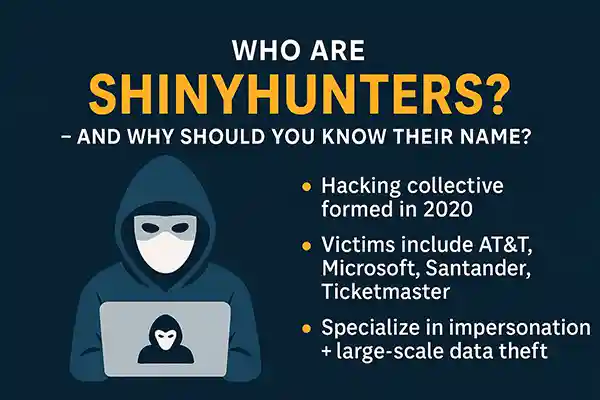
Image 10: ShinyHunters turned from an underground name to a global threat.
Click Here to Read What Is the Tibet Dispute…
What Is a Phishing Email?
A fraudulent message designed to trick users.
- Disguised as official (e.g., Google support)
- Urges quick action: ‘Click here to reset’
- Goal: steal passwords, 2FA codes, or financial info
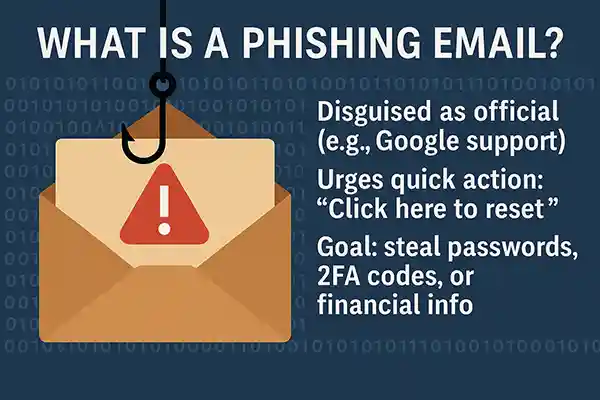
Image 11: Phishing thrives because it hides in plain sight – inside your inbox.
Click Here to Read What Is a Papacy…
What Is a Brute-Force Attack?
An attack method where hackers:
- Use software to guess weak or common passwords
- Exploit reused credentials
- Gain entry through persistence, not stealth
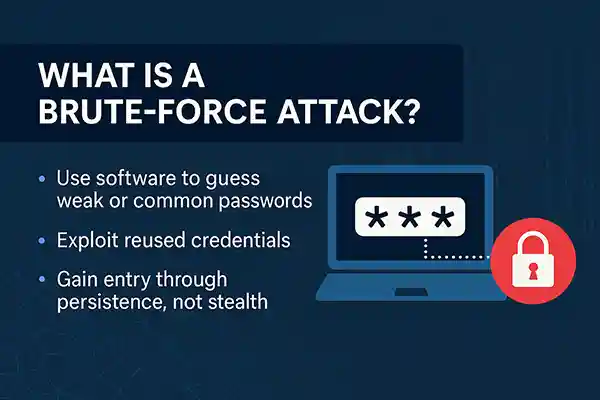
Image 12: Brute-force attacks succeed not through stealth, but through persistence.
Click Here to Read What Are Wildfires…
What Risks Do Gmail Users Face Right Now?
- Phishing emails: Fake password-reset requests or ‘account alerts’
- Spoofed calls/texts: Fraudsters posing as Google staff
- 2FA theft: Victims tricked into giving login codes
- Account lockouts: Losing access to Gmail, Google Drive, Photos
- Financial exposure: Linked payment systems or business accounts at risk
The bottom line: even without stolen passwords, users are vulnerable to account takeovers and identity theft.
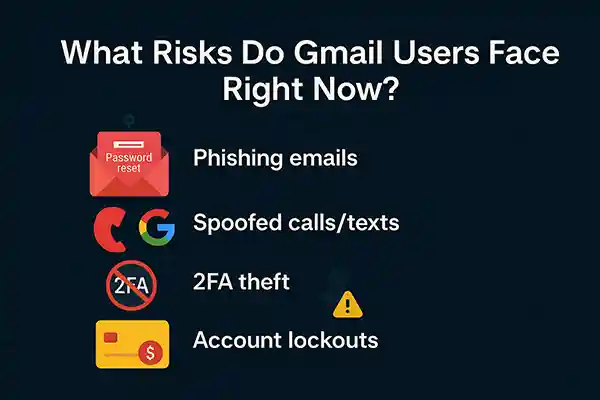
Image 13: For billions of Gmail users, today’s risks are more personal than technical.
Click Here to Read What Is Botox…
How Can You Protect Your Gmail Account After the Breach?
Here are the essential steps:
- Update your Gmail password – use a unique, strong passphrase
- Enable MFA (multi-factor authentication) or switch to passkeys
- Run Google Security Checkup to review protections
- Verify suspicious emails – don’t trust Google-lookalike alerts
- Use scam-checking tools (Trend Micro ScamCheck, dark web monitoring)
A strong password is not enough anymore – phishing-resistant logins like passkeys are the future.
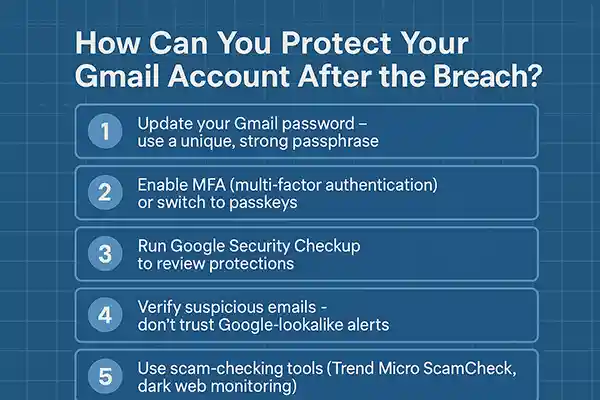
Image 14: Digital safety begins with habits – passwords, passkeys, and vigilance.
Click Here to Read What Is Plastic Pollution…
How Has Google Responded – and What’s Its Track Record?
On August 8, 2025, Google began notifying affected users, advising password changes and tighter security. The company insists the stolen data was ‘largely public information’, but experts argue that even simple details can be turned into dangerous scams.
This is not the first breach:
- 2018: Google+ API leaks
- 2017–2018: OAuth-based Gmail phishing
- 2016: Gooligan malware campaign
Each incident shows the same lesson: attackers don’t always need passwords to compromise millions.
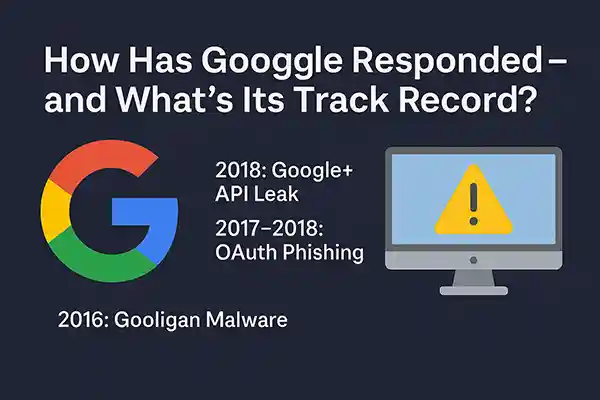
Image 15: Google’s history of breaches shows one lesson: defense is never done.
Click Here to Read What Is the Kim Keon-hee Scandal…
What Is the Difference Between a Password and a Passkey?
A password is a secret string of characters (letters, numbers, symbols) that a user memorizes and enters to log in. Its weakness lies in human behavior: people often choose weak passwords, reuse them across platforms, or fall for phishing tricks that reveal them.
A passkey, on the other hand, is a modern alternative that uses cryptographic keys stored securely on a device, often paired with biometrics like a fingerprint or face scan. Instead of typing something you know, you confirm something you are or have.
Passkeys are resistant to phishing because there is no code to steal or trick you into typing – login approval happens directly between your device and the service. This makes them one of the most promising defenses against the kind of scams now targeting Gmail users.
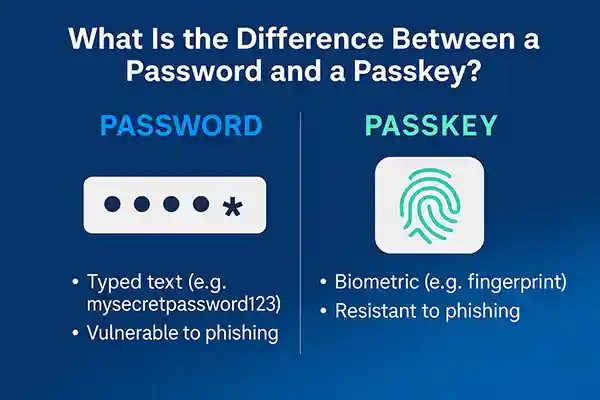
Image 16: The future of login security is not in what you type, but in who you are.
Click Here to Read What Is a Bitcoin – The Story…
WGF Take – Every Technology Has Two Faces
The Gmail Data Breach is not just a story about hackers – it is a story about trust and misuse. A tool designed to simplify work, Salesforce’s Data Loader, became the very pathway for one of the largest breaches in history. Gmail, a platform that connects billions, turned into an entry point for scammers overnight.
At WGF News, we believe this is the deeper lesson: every technology carries both promise and peril. In the right hands, it empowers; in the wrong hands, it endangers. What matters is not only how companies defend their systems, but also how individuals defend themselves.
Cybersecurity, therefore, cannot be treated as a setting you switch on and forget – it must be a daily discipline. Update your defenses, stay alert to scams, and adopt stronger tools like passkeys. In today’s digital world, securing your online life is no different from locking the doors to your home. In the digital era, the rule of life is the same: be vigilant, stay safe.
Follow World Growth Forums on the following for more updates…