
International

World Growth Forums Magazine

Keynote Speech by Dr Alfredo Sfeir-Younis _ WGF-GBIF Thailand 2024
What Caused the Massive Earthquake Near Russia?
Why Did It Trigger Tsunamis Across the Pacific?
A powerful 8.8 magnitude earthquake struck off the eastern coast of Russia early morning of July 30, 2025, triggering tsunami warnings across much of the Pacific. Millions of people in Japan were ordered to evacuate, while tsunami waves hit Hawaii’s shores hours later. This event, among the strongest earthquakes ever recorded in the region, raised urgent questions across the globe – about natural disasters, early warning systems, and our preparedness in an increasingly interconnected world.
Let’s break down what happened, why it matters, and how such seismic events ripple through continents.
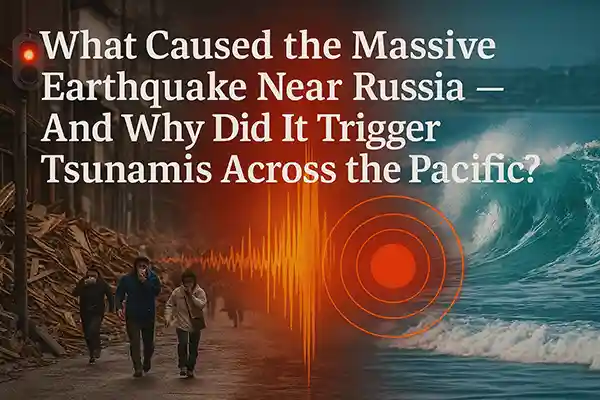
Image 1: One earthquake near Russia’s Kamchatka Peninsula shook half the Pacific – here’s why it was so destructive.
Click Here to Know More About WGF Felicitations…
What Happened?
In the early hours of July 30, 2025, a massive undersea earthquake hit near Russia’s Kamchatka Peninsula. With a magnitude of 8.8, it quickly triggered tsunami alerts throughout the Pacific Rim. Tremors were felt in parts of eastern Russia and northern Japan, prompting panic and swift evacuations. The U.S. Tsunami Warning Center confirmed wave activity reaching as far as Hawaii, though damage was reported as limited in most areas.
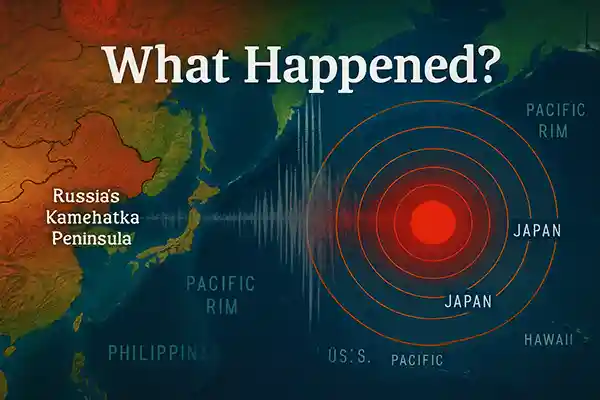
Image 2: The 8.8 magnitude quake set off alarms from Russia to Hawaii within hours – a textbook case of tectonic chain reaction.
Click Here to Read What Is A Ceasefire Agreement…
Which Countries Were Affected?
Japan faced the most immediate threat, issuing evacuation orders to over 2 million residents in its northeastern and coastal areas. Sirens wailed across towns, trains were halted, and emergency shelters opened within minutes.
Hawaii experienced tsunami waves by early evening local time. Although not catastrophic, waves of up to 1.5 meters hit certain low-lying coasts, prompting beach closures and emergency protocols.
Other countries on alert included the Philippines, Indonesia, Papua New Guinea, and parts of Alaska, New Zealand, and Chile – all part of the seismically active Pacific Ring of Fire.
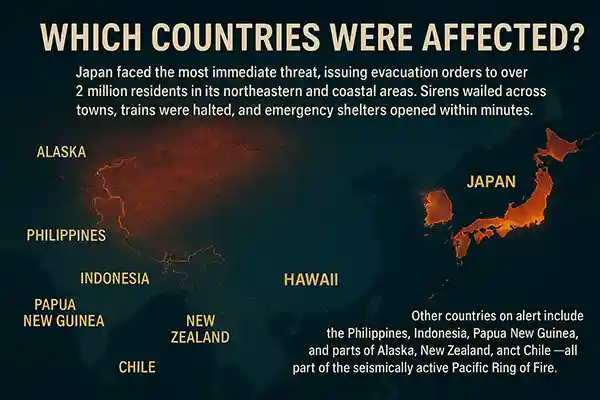
Image 3: From Japan to Chile, the tsunami alerts highlighted the Pacific Rim’s fragile exposure to seismic threats.
Click Here to Read More under WGF What Is Series…
What Is a Tsunami and How Does It Form?
A tsunami is a series of ocean waves caused by sudden disturbances in the seafloor – most often earthquakes. When tectonic plates shift violently under the ocean, the water above is displaced, generating waves that can travel at jetliner speeds across entire oceans.
These waves build in height as they approach shallower waters near coastlines, sometimes growing into devastating walls of water that sweep inland.
Image 4: A tsunami isn’t just a big wave – it’s a pulse of ocean energy born from Earth’s violent shifts beneath the sea.
Click Here to Read WGF Blogs from World Leaders…
Why Was the Earthquake So Powerful?
This earthquake occurred in a region where the Pacific Plate is slowly subducting beneath the Okhotsk Plate. Such boundaries are known for deep, high-magnitude seismic events. At 8.8, this quake is among the top 10 strongest earthquakes in recorded history.
Seismologists say the rupture likely spanned hundreds of kilometers, causing intense energy release – enough to displace millions of tons of water and send shockwaves globally.
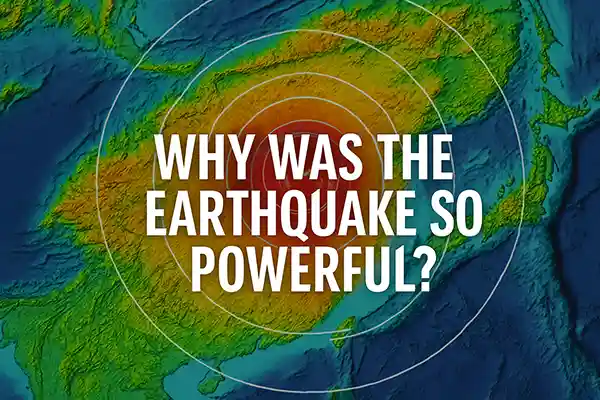
Image 5: The quake struck at a plate boundary known for building pressure over decades – until it violently released.
Click Here to Watch Keynote Speeches and Interviews of World Leaders at WGF YouTube…
How Do Tsunami Warning Systems Work?
Tsunami warning systems rely on a global network of seismographs, deep-ocean pressure sensors, and coastal tide gauges. As soon as a large undersea quake is detected, specialized centers (like the Pacific Tsunami Warning Center) issue alerts, often within minutes.
Authorities then activate sirens, text alerts, and media announcements to help residents move to higher ground. In Japan, these systems are highly advanced, developed after the devastating 2011 earthquake and tsunami.
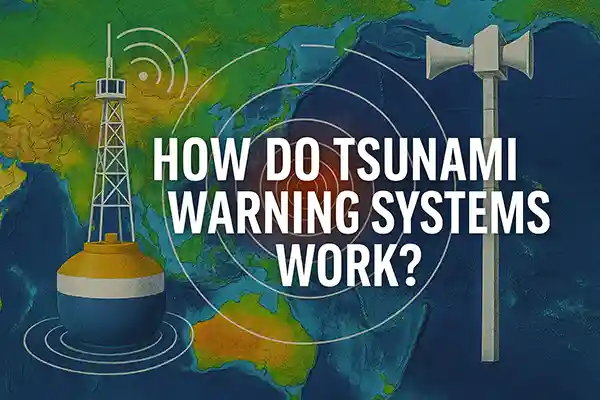
Image 6: Thanks to deep-sea sensors and global communication systems, alerts now travel faster than the waves.
Click Here to Watch WGF News on World Leaders at WGF TV…
Historical Context: Have We Seen This Before?
Yes, and often with tragic consequences. Most notably:
- Japan (2011): A 9.0 magnitude quake triggered a tsunami that killed over 18,000 and caused a nuclear disaster in Fukushima.
- Indian Ocean (2004): A 9.1 quake off Indonesia killed over 2,30,000 across 14 countries.
- Chile (1960): The most powerful earthquake ever recorded (9.5 magnitude) caused tsunamis that reached Hawaii, Japan, and the Philippines.
Events like the one on July 30 remind us that the Pacific is no stranger to seismic upheaval.
Image 7: Disasters like this echo past tsunamis – but with every shock, our memory and preparedness evolve.
Click Here to Read What Is NATO…
What’s Next?
As of now, no major casualties have been reported, but the situation is still developing. Aftershocks are expected in the region, and authorities are continuing to monitor wave activity.
Search and rescue teams remain on alert, particularly in Japan, and satellite assessments are ongoing to evaluate coastal damage. The scientific community will study the quake’s data to better understand fault behavior in the region.
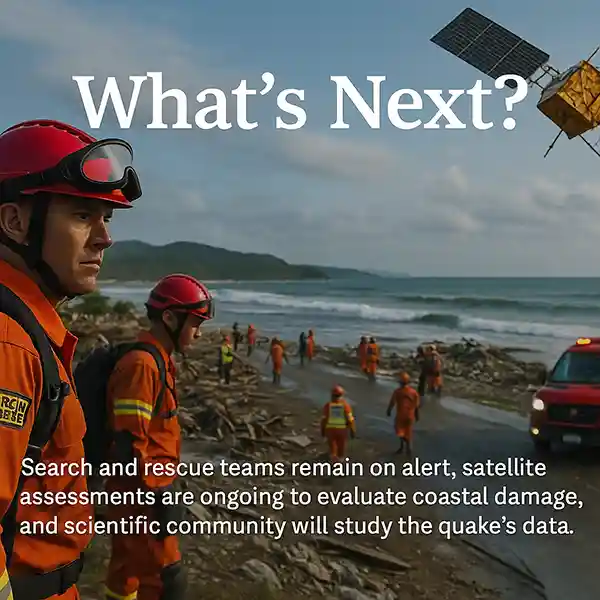
Image 8: As rescue teams assess the damage, scientists begin the hard task of understanding what exactly happened – and how to prepare for the next one.
Click Here to Read What Is Indian Premier League…
Should You Be Concerned?
If you live in or are visiting a coastal region near the Pacific, it’s always wise to stay informed:
- Know your local evacuation routes
- Pay attention to tsunami alerts
- Move inland or to higher ground when warnings are issued
- Have an emergency kit ready
Preparedness is your best defense, especially in active zones like Japan, the U.S. West Coast, Southeast Asia, and Pacific islands.
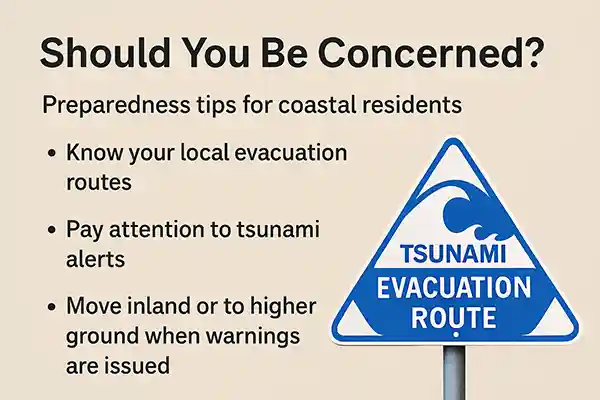
Image 9: Living near the coast? Know your escape route – it’s your first defense when every second counts.
WGF Take: Why This Matters Globally
Natural disasters like this one are stark reminders of how deeply interconnected our world is – geographically, technologically, and socially. An earthquake in Russia can disrupt lives thousands of miles away. But the global response – alerts, evacuations, and scientific collaboration – also shows our collective progress.
As climate concerns and tectonic unpredictability grow, the need for resilient infrastructure, accurate forecasting, and public education becomes more urgent than ever.
Follow World Growth Forums on the following for more updates…