
Science & Technology

World Growth Forums Magazine

Keynote Speech by Dr Alfredo Sfeir-Younis _ WGF-GBIF Thailand 2024
What Is a Blood Moon?
The Science, Myths, and Magic Behind the 2025 Lunar Eclipse
On the night of September 7–8, 2025, millions across Asia, Africa, Europe, and Australia gazed upward to witness a rare celestial drama: the Corn Moon aligning with a total lunar eclipse. For over 80 minutes, Earth’s shadow slowly swallowed the Moon, transforming it into a glowing copper-red orb – a phenomenon called the Blood Moon.
From Ladakh to London, from Sydney to South Africa, crowds gathered on rooftops, fields, and observatories. Though clouds teased skywatchers in many regions, global livestreams ensured no one missed the spectacle. But beyond the breathtaking view lies a deeper story – a blend of science, myth, and cosmic history that makes the Blood Moon one of the most enchanting events in the night sky.
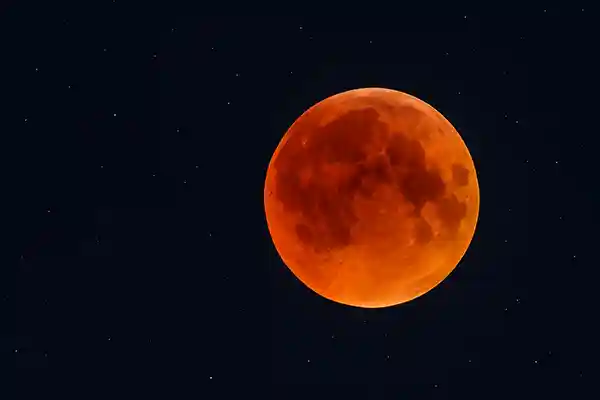
Image 1: The 2025 Blood Moon – when science meets awe in the night sky.
Click Here to Read WGF Blogs from World Leaders…
What Is the Story of the Blood Moon?
The Corn Moon, named for the harvest season, usually glows bright and round. But on the night of September 7–8, 2025, it looked unlike any other full moon.
As Earth, Sun, and Moon lined up, Earth’s shadow crept across the lunar surface. Slowly, the bright silver face dimmed, replaced by a deep copper-red glow. In India, this was the longest total lunar eclipse since 2022 and the first seen across the entire country since July 2018.
For many, the spectacle stirred memories of ancient myths: prophecies of war, signs of change, or even divine warnings. Yet science offers a simple, elegant explanation: Earth’s atmosphere filters sunlight, scattering away blue light and bending only red-orange rays toward the Moon. The result? A sky that feels magical yet firmly rooted in physics.
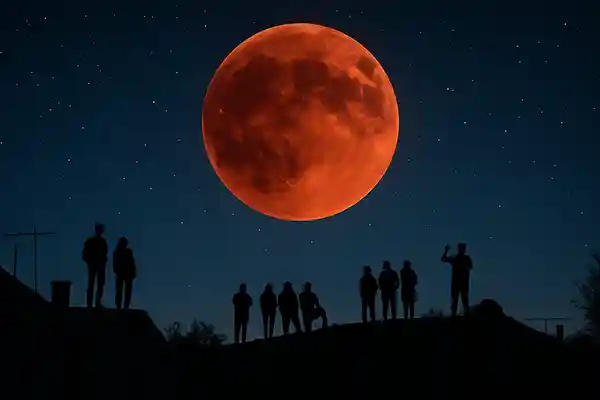
Image 2: From rooftops to fields, skywatchers across continents united under one red Moon.
Click Here to Read What Is Israel’s Gaza City Takeover Plan…
Did You Know?
Blood Moon
- A Blood Moon always occurs during a full moon
- The Blood Moon of July 2018 was the longest of the century, lasting 103 minutes
- Its red glow happens because Earth’s atmosphere filters sunlight and bends only red-orange light toward the Moon
Did You Know?
Solar Eclipse
- The Sun and Moon appear the same size in the sky because the Sun is about 400 times bigger but also about 400 times farther away
- A solar eclipse is only visible from narrow paths on Earth
- Many ancient cultures believed solar eclipses were signs of fear, disaster, or divine omens
Did You Know?
Lunar Eclipse
- A lunar eclipse can last nearly six hours from start to finish
- Unlike solar eclipses, lunar eclipses are visible to entire continents
- A lunar eclipse always happens during a full moon
Did You Know?
Cold Moon
- The Cold Moon appears in December, marking the arrival of long winter nights
- It is often linked with winter solstice traditions in the Northern Hemisphere
- Native tribes saw the Cold Moon as a symbol of endurance, strength, and survival through harsh winters
Click Here to Read What Is NATO…
The 2025 Blood Moon in Numbers
• 82 minutes: Duration of total eclipse
• 4 hours 28 minutes: From first shadow to last
• Next Blood Moon: March 3, 2026
• Next 3 full moons: Harvest Moon (Oct 6), Beaver Moon (Nov 5), Cold Moon (Dec 4)
Click Here to Watch Keynote Speeches and Interviews of World Leaders at WGF YouTube…
Are Blood Moons and Werewolf Myths Related?
The full moon has always been tied to tales of transformation – the night when ordinary humans supposedly turned into werewolves. The word lunacy itself comes from luna, the Latin word for Moon, reflecting the belief that moonlight could stir madness or primal instincts.
When the Moon turns blood-red during an eclipse, the mystery only deepens. Across Europe and later in Gothic literature, the Blood Moon became a powerful symbol of danger, prophecy, and creatures of the night. Horror films and fantasy novels often use it as the dramatic backdrop when werewolves transform or vampires rise.
While science explains the Blood Moon as refracted sunlight, myths remind us of its haunting role in human imagination – turning the sky into a stage for our deepest fears and wildest legends.
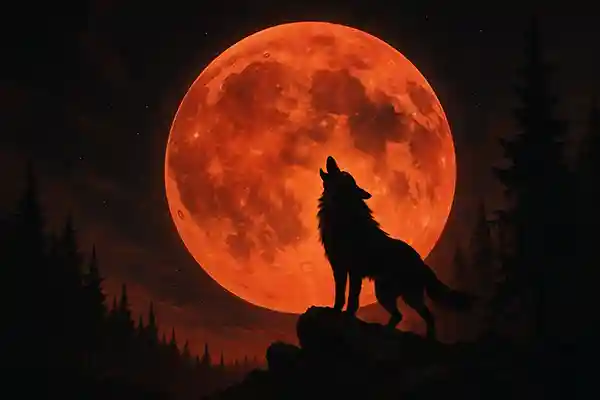
Image 3: Myths of werewolves and omens remind us how the Blood Moon has long haunted human imagination.
Click Here to Watch WGF News on World Leaders at WGF TV…
What Causes the Moon to Turn Red During an Eclipse?
When Earth comes between the Sun and the Moon, its shadow – called the umbra – falls on the Moon. But instead of vanishing into darkness, the Moon glows red.
That’s because Earth’s atmosphere acts like a giant lens. Blue light scatters away, while red and orange light bends around the planet and lands on the Moon’s surface. In other words, during a Blood Moon, you are actually seeing all of Earth’s sunrises and sunsets projected at once onto the Moon.
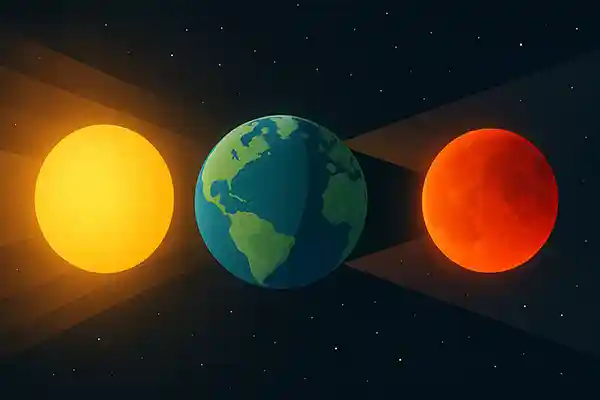
Image 4: Earth, Sun, and Moon in perfect alignment – the science behind the Blood Moon’s fiery glow.
Click Here to Read What Is A Ceasefire Agreement…
Why Is This Moon Called the Corn Moon?
The September full moon is often called the Corn Moon because it rises around the time of the corn harvest in the Northern Hemisphere. Farmers once used these lunar names as natural calendars, telling them when to plant and when to harvest.
In Native American traditions, the Corn Moon was a signal that the summer growing season was ending and the time to store food for winter had begun. Even today, the name ties our modern lives back to rhythms of nature.
Click Here to Read What Is De-Dollarisation…
What Is a Corn Moon?
The Corn Moon is not just about corn. It is the full moon that appears closest to the harvest season in early September. To ancient communities, this moon marked abundance: the gathering of crops, the storing of grains, and preparation for the colder months ahead.
The Corn Moon is a reminder that the Moon is more than a rock in the sky – it has been humanity’s oldest clock, guiding agriculture and culture for thousands of years.
Click Here to Read What Is the Hiroshima Atomic Bombing’s Legacy – 80 Years Later…
What Is a Harvest Moon?
The Harvest Moon comes after the Corn Moon, usually in October. It is the full moon closest to the autumn equinox, when day and night are nearly equal.
Unlike other full moons, the Harvest Moon rises soon after sunset for several days in a row, giving farmers more light to work late into the evening. That’s why it was celebrated as a symbol of plenty, gratitude, and survival.
Even today, songs, poems, and festivals celebrate the golden glow of the Harvest Moon.
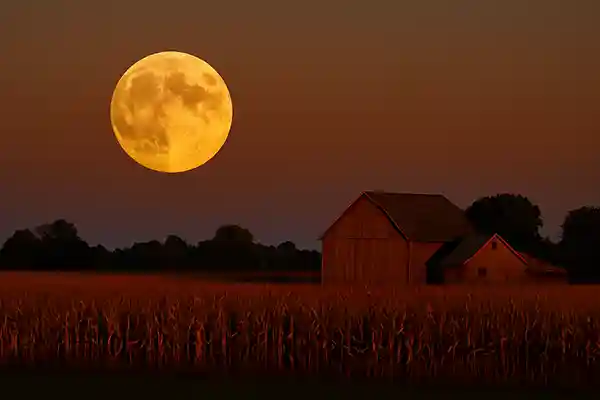
Image 5: The Harvest Moon: once a guide for farmers, still a timeless symbol of abundance.
Click Here to Read What Is the Trump–Putin Alaska Summit About…
What Is a Beaver Moon?
The Beaver Moon rises in November. The name comes from the time when North American settlers and Indigenous tribes set beaver traps before the rivers froze.
To some, it symbolized resourcefulness and preparation for winter. Just as beavers built their lodges, humans too stored supplies for the cold months ahead.
The Beaver Moon reminds us that every full moon once carried practical meaning – a story of survival told by light in the dark.
Click Here to Read What Is the Russian Volcano Eruption After 500 Years…
What Is a Cold Moon?
The Cold Moon is December’s full moon, shining during the longest, coldest nights of the year.
To cultures across the Northern Hemisphere, it represented endurance and reflection. The cold nights tested communities, but the bright moon brought hope, guiding travelers and storytellers in the darkness.
For many Native American tribes, it was also a spiritual moon – a time to gather, share warmth, and prepare for renewal in the year ahead.
Click Here to Read What Is Coral Bleaching…
What Is a Total Lunar Eclipse?
A total lunar eclipse happens when Earth comes directly between the Sun and the Moon. Unlike a solar eclipse, which is brief and visible only in narrow paths, a lunar eclipse can last for hours and is visible to entire continents.
During totality – when the Moon is completely in Earth’s shadow – it glows red because of sunlight bending through Earth’s atmosphere. This makes lunar eclipses both safe and mesmerizing to watch.
Click Here to Read What Is Botox…
What Is a Solar Eclipse?
A solar eclipse happens when the Moon passes between the Sun and Earth, casting its shadow on our planet. Unlike lunar eclipses, they are rare and visible only from specific locations.
Solar eclipses can be:
- Partial: The Moon covers part of the Sun
- Annular: The Moon is smaller, leaving a ring of sunlight
- Total: The Sun is completely covered, turning day into twilight
Unlike lunar eclipses, solar eclipses require protective glasses – looking at the Sun directly can damage eyesight.
Click Here to Read What Is Giorgio Armani’s Legacy…
How Often Do Blood Moons Occur?
Blood Moons are not everyday events. While full moons appear every 29 days, total lunar eclipses usually happen twice a year. The September 2025 Blood Moon was special for its 82 minutes of totality, making it one of the longest in recent memory.
Missed it? The next Blood Moon will occur on March 3, 2026, visible from the Americas.
Click Here to Read What Is China’s Military Parade with Putin and Kim…
Do Blood Moons Hold Cultural or Mythical Meanings?
- In Babylonian times, kings feared Blood Moons as omens of downfall
- In Europe, they were seen as prophecies of disaster or war
- In some Indigenous traditions, they represented cycles of renewal and transformation
Even today, some connect Blood Moons with astrology and spiritual meaning. Science explains them, but myths give them timeless stories.
Click Here to Read What Is the Game of Football…
How Can You Safely Watch a Lunar Eclipse?
Unlike solar eclipses, lunar eclipses are safe to watch with the naked eye. To enjoy them fully:
- Find a dark place away from city lights
- Binoculars or telescopes reveal more detail but are not necessary
- Stay patient: lunar eclipses are slow, giving you time to enjoy each stage
Click Here to Read What Is A Data Breach…
WGF Take – Mastering the Magic of Myth and Math
The 2025 Blood Moon reminds us that science and myth are not opposites but partners in storytelling. Myths once explained the red moon as omens of change; today, math explains it as light bending through our skies. Yet both capture the same truth: the Moon inspires awe because it is bigger than us, yet always within sight.
At WGF News, we see eclipses as cosmic lessons. Even when Earth casts its darkest shadow, the Moon still shines – transformed, but luminous. Perhaps that is the message for us, too: shadows don’t end beauty; they reveal it in new colors.
Follow World Growth Forums on the following for more updates…