
Environment

World Growth Forums Magazine

Keynote Speech by Dr Alfredo Sfeir-Younis _ WGF-GBIF Thailand 2024
What Is a Typhoon?
What Is Typhoon Kajiki and Why Has Vietnam Ordered a Mass Evacuation?
As of August 25, 2025, Vietnam has ordered more than half a million people to evacuate as Typhoon Kajiki approaches its central provinces with destructive force. Packing winds of up to 166 km/h (103 mph) at sea and expected to strengthen further before landfall, the storm has already disrupted flights, closed schools, and forced thousands of boats to remain ashore. Soldiers and paramilitary forces are on standby to help with evacuation and rescue operations.
But what exactly is a typhoon, how do such storms form, and why does Typhoon Kajiki pose such a serious threat? Let’s break it down.
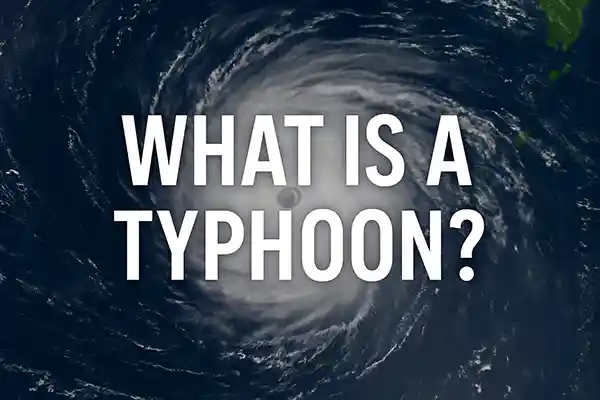
Image 1: Typhoons are among the most powerful natural forces shaping life across Asia’s coasts.
Click Here to Read WGF Blogs from World Leaders…
What Is the Story of Typhoon Kajiki?
Kajiki formed in the South China Sea, skirting past China’s Hainan Island before heading towards Vietnam. Hainan’s popular city of Sanya shut down businesses, transport, and tourism facilities as the storm brought heavy rains and toppled trees.
Now, as Kajiki makes its way towards Vietnam’s central provinces, over 586,000 people have been moved inland, and emergency warnings have been issued to stay indoors. The storm threatens 300–400 mm of rainfall, dangerous storm surges, and potential landslides.
Officials warn Kajiki could cause devastation similar to Typhoon Yagi last year, which killed 300 people in Vietnam and caused billions in damage.
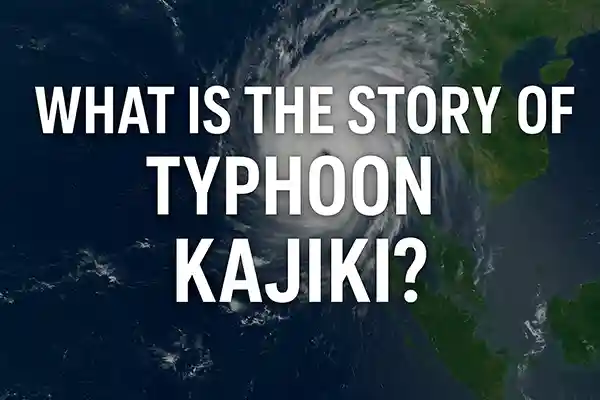
Image 2: Typhoon Kajiki formed in the South China Sea before slamming into Vietnam’s central provinces.
Click Here to Read What Is Israel’s Gaza City Takeover Plan…
Did You Know?
Typhoons
- The word typhoon likely comes from the Chinese tai fung, meaning ‘great wind’
- Typhoons rotate counterclockwise in the Northern Hemisphere and clockwise in the Southern Hemisphere
- The strongest recorded typhoon, Tip (1979), had winds of 305 km/h
Did You Know?
Vietnam
- Vietnam has over 3,260 km of coastline, making it highly exposed to tropical storms
- On average, Vietnam faces 8–10 typhoons annually
- The deadliest storm in Vietnam’s history, Typhoon Linda (1997), killed more than 3,000 people
Click Here to Read What Is NATO…
How Are Typhoons Formed?
Typhoons are intense tropical storms that form over warm ocean waters (at least 26°C/79°F). Here’s how they develop:
- Warm water heats the air above, causing it to rise
- As the air rises, it creates an area of low pressure
- Moist air spirals inward, condenses, and releases energy as heat
- This fuels thunderstorms, which spin faster due to Earth’s rotation
If conditions are right, the system intensifies into a typhoon, hurricane, or cyclone, depending on where it forms.
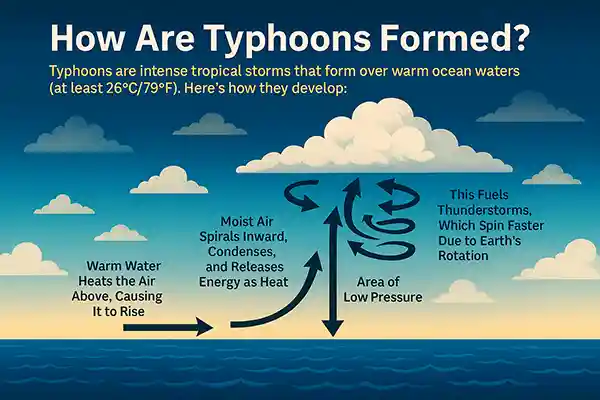
Image 3: Warm seas and spiraling winds fuel the birth of destructive storms like Kajiki.
Click Here to Watch WGF News on World Leaders at WGF TV…
What Are the Other Names or Types of Typhoons Around the World?
The storms are essentially the same phenomenon but named differently depending on the region:
- Typhoons → Western Pacific (Japan, China, Philippines, Vietnam)
- Hurricanes → Atlantic Ocean & Northeast Pacific (Caribbean, U.S., Mexico)
- Cyclones → Indian Ocean & South Pacific (India, Bangladesh, Australia)
So, ‘Typhoon Kajiki’ in Asia would have been called a hurricane if it had formed in the Atlantic.
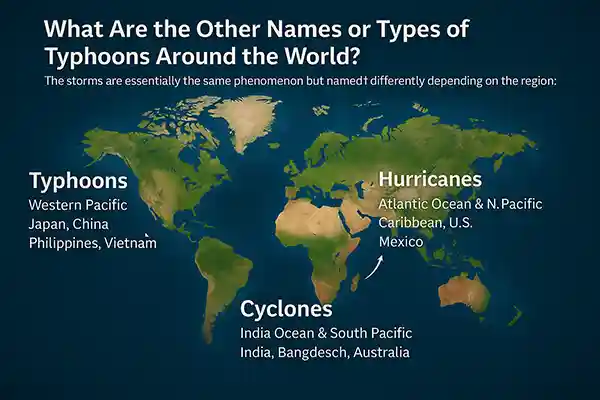
Image 4: Typhoons, hurricanes, and cyclones – different names for the same destructive force worldwide.
Click Here to Read What Is A Ceasefire Agreement…
What Are Categories of Hurricanes?
While ‘typhoon’ is the regional name, scientists use the Saffir-Simpson Hurricane Wind Scale to classify these storms:
- Category 1: 119–153 km/h – Some damage
- Category 2: 154–177 km/h – Roofs and trees damaged
- Category 3: 178–208 km/h – Devastating damage
- Category 4: 209–251 km/h – Catastrophic damage
- Category 5: 252+ km/h – Complete devastation
Typhoon Kajiki, with winds nearing 200 km/h, is in the Category 3–4 range, making it highly dangerous.
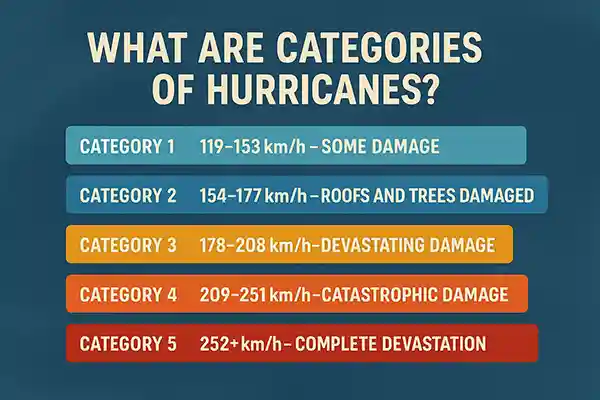
Image 5: Kajiki’s strength placed it in the Category 3–4 range, a level feared for devastating impact.
Click Here to Read What Is De-Dollarisation…
What Makes Typhoon Kajiki So Dangerous?
Kajiki is not just another seasonal storm. With sustained winds near 200 km/h, the typhoon poses risks similar to Category 4 hurricanes in the Atlantic. Its impact is compounded by:
- Heavy rainfall (300–400 mm): Threatens flash floods and landslides
- Storm surges (2–4 meters): Coastal villages face inundation and property destruction
- High wind speeds: Potential to uproot trees, damage power lines, and tear apart fragile structures
For many Vietnamese, Kajiki evokes painful memories of Typhoon Yagi, which devastated the country last year. While Kajiki is expected to weaken inland, its immediate coastal impact could still be devastating.
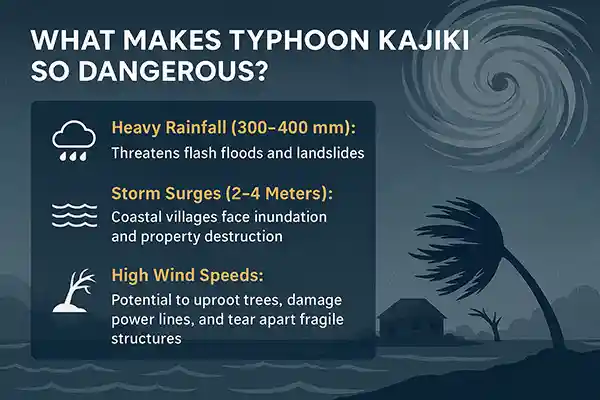
Image 6: Heavy rainfall, storm surges, and violent winds make Kajiki a triple threat to Vietnam.
Click Here to Read What Is the Hiroshima Atomic Bombing’s Legacy – 80 Years Later…
How Is Vietnam Responding to Typhoon Kajiki?
Vietnam’s government has taken swift and large-scale measures:
- Evacuations: More than 586,000 residents have been moved to safer locations
- Military Mobilisation: 16,500 soldiers and 107,000 paramilitary forces are on standby
- Transport Closures: Two airports shut; dozens of flights cancelled; schools suspended
- Emergency Alerts: Authorities have urged people to stay indoors and avoid risky structures like fishing boats and aquaculture farms
The response reflects lessons learned from past disasters. This time, Vietnam is prioritizing prevention over reaction, mobilizing resources before the storm fully strikes.
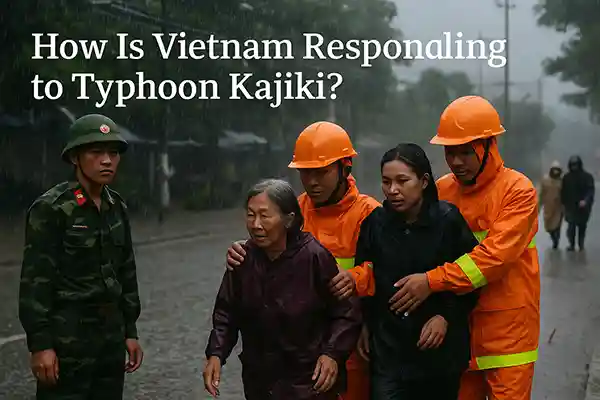
Image 7: Vietnam’s swift evacuations and military mobilization reflect lessons learned from past typhoons.
Click Here to Read What Is the Trump–Putin Alaska Summit About…
What Is the Regional Impact Beyond Vietnam?
Kajiki is not only a Vietnamese crisis – it’s affecting the wider region:
- China’s Hainan Province: Businesses and transport shut in Sanya; heavy rains disrupted daily life
- Tourism Disruption: Residents sheltered underground as streets flooded and trees toppled
- Future Path: Kajiki is expected to sweep across Laos and northern Thailand, bringing floods and landslides there too
The typhoon’s impact extends beyond immediate casualties – it threatens agriculture, aquaculture, and trade routes across Southeast Asia.
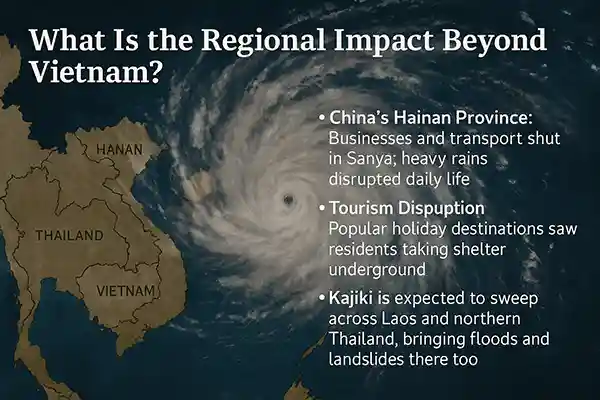
Image 8: Kajiki’s reach extends beyond Vietnam, affecting China’s Hainan, Laos, and northern Thailand.
Click Here to Read What Is a Typhoon…
WGF Take – When Nature Outpaces Human Defenses
Typhoon Kajiki is more than a seasonal storm – it is a stark reminder of how climate change is amplifying natural disasters across the globe. Its speed and severity, arriving less than a year after Typhoon Yagi’s devastation, underline a dangerous new normal for Southeast Asia.
Vietnam’s rapid, large-scale evacuations show progress in disaster preparedness, yet poorer provinces remain deeply vulnerable. Kajiki is not just a Vietnamese crisis – it is a regional wake-up call. Stronger infrastructure, cross-border disaster response, and investment in early-warning systems are no longer optional.
In the end, storms like Kajiki remind us of a sobering truth: no matter how advanced human technology becomes, nature’s force still outpaces human defenses.
Follow World Growth Forums on the following for more updates…