
Economy & Trade
World Growth Forums Magazine
Keynote Speech by Dr Alfredo Sfeir-Younis _ WGF-GBIF Thailand 2024
What Is Currency Revaluation?
Will Syria Be Able to Hold Its Economy Together?
Syria announced on August 22, 2025 a dramatic step to revalue its battered national currency, the Syrian pound. By dropping two zeros from the banknotes, officials hope to simplify daily life, restore confidence, and mark a symbolic break from the era of Bashar al-Assad, who was ousted last year. For a country where families carry bags of near-worthless cash just to buy bread, this revaluation feels like a fresh page. But behind the promise of neat numbers lies a pressing question: will Syria’s new pound be enough to steady an economy shattered by years of war, inflation, and dollar dependence?
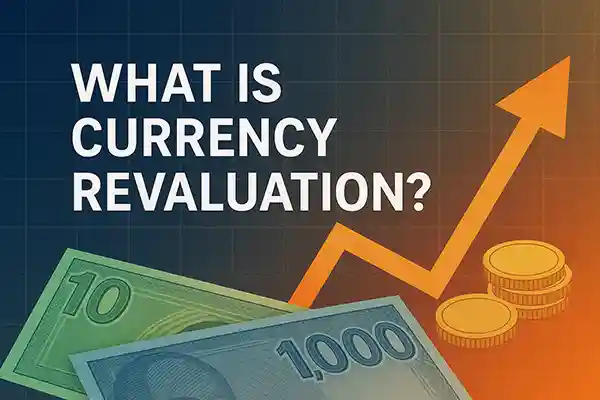
Image 1: Revaluation is more than numbers – it’s a nation’s attempt to reset trust in its money.
Click Here to Read WGF Blogs from World Leaders…
What Is the Story of Syria’s Currency Revaluation?
The story begins with the collapse of a currency once seen as relatively stable in the region. Before the war in 2011, the Syrian pound traded at just 50 to the U.S. dollar. But years of conflict, sanctions, and political isolation pushed it into freefall. By the time Assad was ousted in 2024, one dollar fetched nearly 10,000 Syrian pounds, and the money in Syrians’ pockets had become a burden to carry rather than a tool to spend.
Supermarket scenes illustrate the crisis vividly. A weekly grocery run often required half a kilo of 5,000-pound notes stuffed into plastic bags. Parents counted out endless stacks just to cover basic food costs. The currency had become an emblem of the nation’s suffering.
Now, the Central Bank says the answer lies in revaluation. From December 8, 2025 – exactly one year since Assad’s fall – Syria will issue new banknotes with two zeros removed. A 10,000-pound note will simply become 100 pounds. The government insists this will make daily transactions manageable again, while also cleansing the money of Assad’s image, which still stares out from the old denominations.
There is international intrigue too. Russia’s state-owned printing company, Goznak, has reportedly secured the contract to print Syria’s new notes – a reminder that even in its currency, Syria cannot fully separate its economy from foreign influence.
For Syria’s leaders, this revaluation is meant to be more than arithmetic. It is a statement of rebirth. But history suggests the real challenge will be convincing Syrians – and the world – that their new currency is worth more than its redesigned paper.
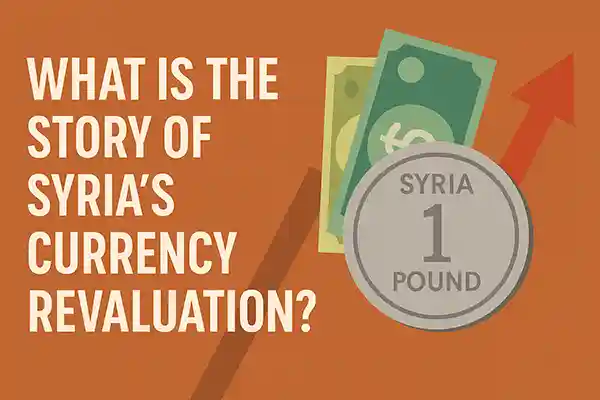
Image 2: For Syrians, the pound has gone from pride to burden – now, leaders hope to rewrite its story.
Click Here to Read What Is Israel’s Gaza City Takeover Plan…
Did You Know?
Syria
- The Syrian pound once traded at 50 per U.S. dollar; today, it hovers near 10,000
- On December 8, 2025, Syria will introduce new notes – the date chosen to mark one year since Assad’s ouster
- Russia’s Goznak, which printed Syrian notes during Assad’s rule, is once again the firm behind the new designs
Did You Know?
Revaluation
- In 2005, Turkey erased six zeros from its lira, simplifying everyday prices dramatically
- Zimbabwe once issued a note worth 100 trillion dollars before abandoning its currency entirely
- A revaluation changes face values to restore trust; a devaluation lowers exchange rates against foreign currencies
Click Here to Read What Is NATO…
What Is the Story of Currency?
To understand Syria’s gamble, we must travel back in time to trace the long, fascinating story of currency itself – a story as old as civilization.
From Barter to the First Coins
Once upon a time, there was no money at all. Ancient communities exchanged goods directly – grain for cattle, salt for tools. This barter system worked only when both sides wanted what the other offered, a fragile dance that quickly broke down as societies grew more complex. The solution came in the form of coins, forged from precious metals like silver and gold. Their shine carried an inherent value, and for centuries they ruled global trade.
Paper Dreams
But as trade expanded across continents, heavy sacks of coins became impractical. The Chinese, during the Tang dynasty in the 7th century, were the first to experiment with paper money. Merchants carried lightweight notes instead of cumbersome metals, a system that gradually spread westward. Paper was easier, faster, and safer to exchange – though it relied on trust in the issuing authority.
The Age of Fiat Money
Modern economies run not on gold or silver, but on something more fragile: fiat currency. This is money that holds value not because it is made of precious material, but because governments declare it legal tender. A banknote is worth what people believe it to be worth. Trust is everything.
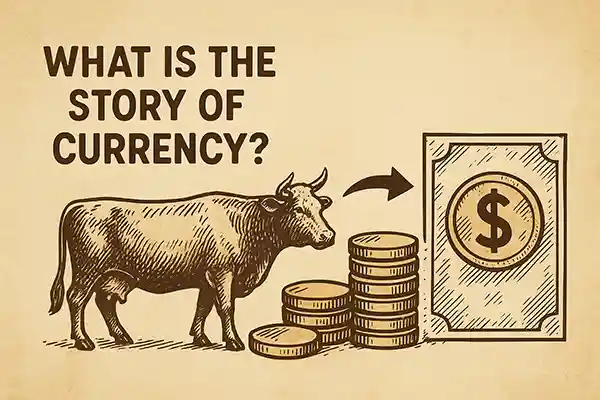
Image 3: From barter to banknotes, the story of money has always been about trust and change.
Click Here to Watch Keynote Speeches and Interviews of World Leaders at WGF YouTube…
What Is Fiat Currency?
The age of fiat money transformed the world. Unlike coins of gold or silver, fiat currency has no intrinsic value. It is valuable because governments declare it legal tender, and because people trust that others will accept it in exchange. A $10 bill or a 100-pound note is just ink on paper – until society collectively agrees it represents purchasing power.
Trust is the invisible glue that holds fiat systems together. When that trust is strong, currencies power entire economies. When it falters – through war, inflation, or political collapse – the paper becomes just that: paper.
This is the heart of Syria’s challenge. Its pound, like every fiat currency, depends entirely on public belief. And after years of instability, that belief has almost evaporated. The revaluation is an attempt to rebuild it.
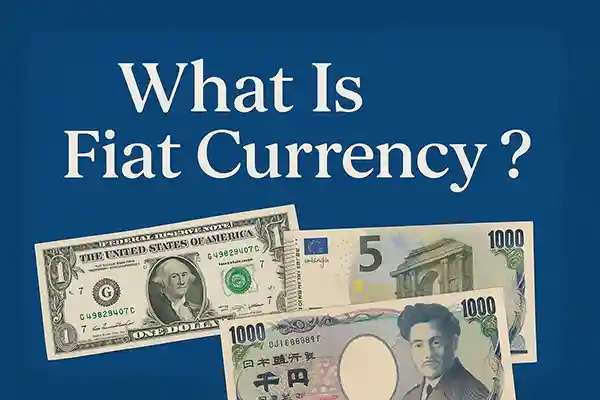
Image 4: Fiat currency carries no gold – only the fragile promise that society will believe in it.
Click Here to Watch WGF News on World Leaders at WGF TV…
Why Is Syria Revaluing Its Currency Now?
Timing is no accident. After Assad’s fall, Syria’s new rulers face the daunting task of rebuilding not just institutions but also faith in national identity. The pound is central to that effort.
By trimming zeros, the government hopes to restore dignity to money that has lost its meaning. No longer should a father have to count out hundreds of thousands just to pay rent. No longer should children see their pocket money reduced to worthless scraps. Officials believe this reset will reduce chaos in daily commerce and allow banks to track trillions of pounds that currently circulate outside the system.
Equally important is the political symbolism. The removal of Assad’s face from the notes is a message written in ink and paper: Syria is turning the page. But the question lingers – is this change deep enough to reach the roots of the crisis?
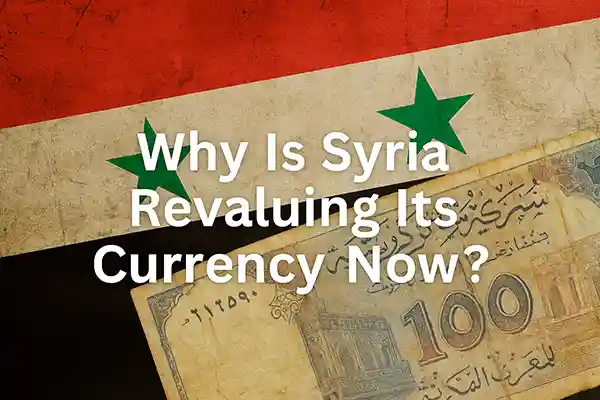
Image 5: Syria’s leaders say dropping two zeros is about dignity, daily survival, and a new beginning.
Click Here to Read What Is A Ceasefire Agreement…
What Challenges Could Syria Face?
Syria’s revaluation comes with steep obstacles. The elderly and rural poor may struggle to adapt, confusing old with new values. Banks, already fragile, must cope with complex logistics. The cost of printing, distributing, and securing new notes could run into hundreds of millions of dollars – a staggering price for a broken economy.
Most troubling of all, the Syrian economy today runs largely on U.S. dollars. From fuel stations to storefronts, foreign currency is the language of daily trade. Syrians may accept the new pound reluctantly, but trust will not return overnight. Without broader reforms to fight inflation, improve governance, and revive production, the risk is that the new notes will feel like a fresh coat of paint on a crumbling wall.
Image 6: Without real reforms, Syria’s new banknotes risk becoming just old problems in new paper.
Click Here to Read What Is De-Dollarisation…
So, What Is a Currency Revaluation?
A currency revaluation is not magic. It does not increase the wealth of a nation overnight. Rather, it is a cosmetic adjustment, a decision to simplify the arithmetic of money by cutting zeros. Ten thousand becomes one hundred; a million becomes ten thousand.
The logic is psychological as much as practical. Smaller numbers feel manageable. Shoppers no longer reel at astronomical price tags. Businesses can account more easily. And governments present the move as a declaration of intent: that the economy is stabilizing, that order is returning.
It is different from devaluation, which is about lowering a currency’s worth against others. Revaluation is about presentation – how the nation sees itself, and how the world sees the nation.
Image 7: Currency revaluation doesn’t make people richer overnight – it makes money look believable again.
Click Here to Read What Is the Hiroshima Atomic Bombing’s Legacy – 80 Years Later…
How Do Currency Revaluations Work?
Revaluations are carefully staged. First, new notes are designed and printed, often with foreign partners. Then comes a public education campaign: posters, media campaigns, even school lessons explaining how old money translates into new. For a time, both currencies coexist, until finally the old notes are withdrawn.
Other countries have walked this path. Turkey in 2005 cut six zeros from the lira, turning 1,000,000 lira into 1 lira, a move that initially boosted confidence. Zimbabwe, crushed by hyperinflation, revalued its currency repeatedly, once issuing a 100 trillion dollar note – a symbol of how extreme the spiral can become. Argentina too tried revaluations, though repeated crises weakened public trust.
The lesson is clear: revaluation can buy time, but without deeper reforms – controlling inflation, rebuilding institutions, securing trust – it rarely buys lasting stability.
Image 8: From printing presses to public campaigns, revaluation is a carefully staged journey of numbers.
Click Here to Read What Is the Trump–Putin Alaska Summit About…
WGF Take – Symbol or Substance in Syria’s Economic Reset?
Syria’s revaluation is a story written in numbers – but lived in lives. By erasing two zeros, the government seeks not only to ease shopping trips but to signal a national rebirth. The symbolism is undeniable: new notes, new faces, a new chapter.
Yet symbolism alone cannot mend a broken economy. Without institutional reform, financial transparency, and international credibility, the Syrian pound may remain weak no matter how many zeros are dropped. In a country where the U.S. dollar already rules the markets, Syrians may continue to think in foreign currency long after the new notes arrive.
A new note may carry a new promise – but unless the promise is kept, it risks becoming just another piece of paper in a story of lost value.
Follow World Growth Forums on the following for more updates…