International
World Growth Forums Magazine
Keynote Speech by Dr Alfredo Sfeir-Younis _ WGF-GBIF Thailand 2024
What Is the Tibet Dispute?
Control, succession, and the future of the Dalai Lama’s legacy in a contested land
On August 21, 2025, China’s President Xi Jinping made a rare and symbolic visit to Tibet, marking the 60th anniversary of the Tibet Autonomous Region’s founding. His presence in front of the Potala Palace, once the seat of the Dalai Lama, was seen as underscoring Beijing’s continued control of Tibet. Yet beneath the celebrations lies a deeper issue – the question of who will succeed the 90-year-old Dalai Lama, Tibet’s exiled spiritual leader. This dispute blends religion, politics, culture, and geopolitics, placing Tibet at the center of ongoing debates.
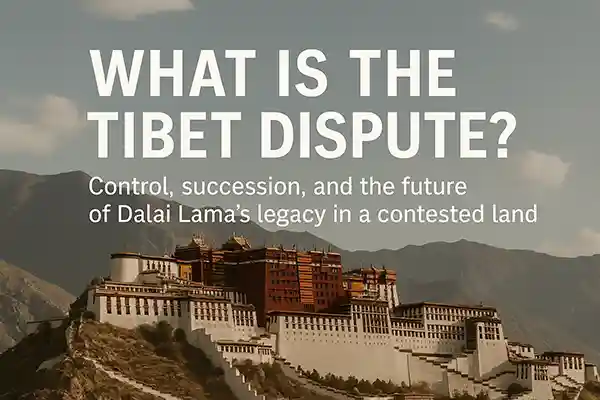
Image 1: Tibet’s story remains at the crossroads of faith, culture, and politics.
Click Here to Read WGF Blogs from World Leaders…
What Is the Story of Tibet?
Ancient Spiritual Kingdom
Tibet, often called the ‘Roof of the World’, has long been a center of Buddhist learning. From the 7th century onward, it developed into a powerful spiritual and political entity, with monasteries shaping governance and culture. Tibetan Buddhism gave Tibet a unique identity that distinguished it from its neighbors.
The Dalai Lamas’ Theocratic Rule
By the 17th century, the institution of the Dalai Lama consolidated both spiritual and political authority. The Potala Palace in Lhasa became the symbol of this theocratic rule. For centuries, the Dalai Lamas guided Tibet as both religious leaders and sovereign rulers.
Qing Influence and Imperial Interference
China’s Qing dynasty (1644–1911) claimed influence over Tibet, but the region remained largely autonomous. With the fall of the Qing empire, Tibet declared independence in 1913 and governed itself for decades, even signing treaties and maintaining an army.
The Communist Era and 1959 Uprising
When Communist China rose under Mao Zedong, the People’s Liberation Army marched into Tibet in 1950, calling it a ‘peaceful liberation’. Tibetans, however, saw it as invasion. Tensions erupted in 1959, when a mass uprising in Lhasa failed. The 14th Dalai Lama fled into exile in India, where he continues to live.
The Tibet Autonomous Region (1965–Present)
In 1965, China formally established the Tibet Autonomous Region. Beijing claimed it granted self-rule, but in practice, it centralized control. Resistance persisted through protests, international campaigns, and self-immolations. Over the decades, Tibet has become a closely managed region where culture and faith are tightly regulated.
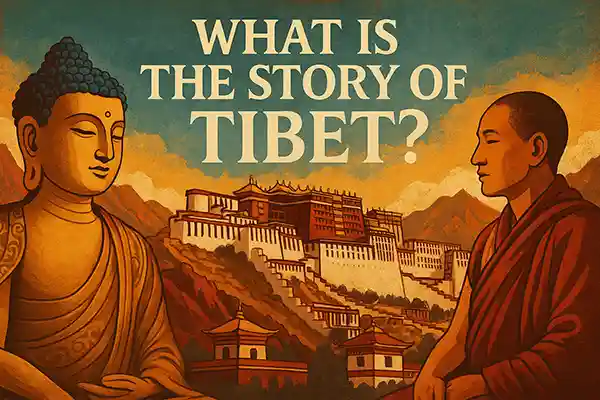
Image 2: From a spiritual kingdom to a contested land, Tibet’s past shapes its present.
Click Here to Read What Is Israel’s Gaza City Takeover Plan…
Did You Know?
Tibet
- Tibet is often called the ‘Roof of the World’ for its average altitude of over 4,000 meters
- The Potala Palace in Lhasa has over 1,000 rooms and was once the Dalai Lama’s winter residence
- Tibet’s land area is larger than France and Spain combined, but its population is just around 3 million
Did You Know?
Tibetan Buddhism
- Tibetan Buddhism combines Indian Mahayana teachings with indigenous Bon practices
- Monasteries historically served as both schools and governing institutions
- The concept of ‘reincarnate lamas’ (tulkus) is unique and central to Tibetan Buddhism
Did You Know?
Dalai Lama
- The current Dalai Lama was recognized at age 2 in 1937
- He fled Tibet disguised as a soldier in 1959 during the uprising
- In 2011, he devolved his political authority to the Central Tibetan Administration in exile
Did You Know?
China
- China is home to the world’s largest high-speed rail network, spanning more than 45,000 km
- The Great Wall of China stretches over 21,000 km and can take months to walk end to end
- China invented paper, gunpowder, printing, and the compass – the ‘Four Great Inventions’ that shaped human history
Click Here to Read What Is NATO…
What Is the Significance of Xi’s Presence in Lhasa?
Xi Jinping’s appearance at the 60th anniversary in Lhasa carried strong symbolism. Normally, such milestone events are led by senior Communist Party officials, not the top leader himself. His presence transformed the ceremony into a display of unity and stability. The performances included military parades, synchronized dances, and children waving flags in unison, all under the backdrop of the Potala Palace. Towering portraits of Xi underscored his centrality to the narrative. The celebration projected stability and unity, presenting Tibet as integrated under Beijing’s authority.
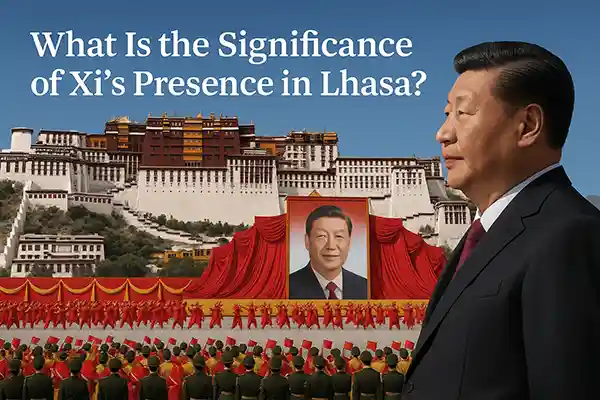
Image 3: Xi Jinping’s visit highlights Beijing’s effort to emphasize stability in Tibet.
Click Here to Watch Keynote Speeches and Interviews of World Leaders at WGF YouTube…
Why Did Xi Personally Visit Tibet Now?
The timing of Xi’s visit is as important as the event itself. With the Dalai Lama turning 90 and succession questions looming, Beijing wants to project confidence that it controls Tibet’s future as well as its present. By visiting in person, Xi sought to reinforce China’s claim of authority over religious and cultural matters while emphasizing China’s firm stance against separatist sentiment. Strategically, Tibet also matters because of its sensitive border with India. The visit, coming amid ongoing India–China tensions and major infrastructure projects like the Sichuan–Tibet Railway, served as a reminder that Beijing views Tibet not only as a cultural region but also as a military and geopolitical stronghold.
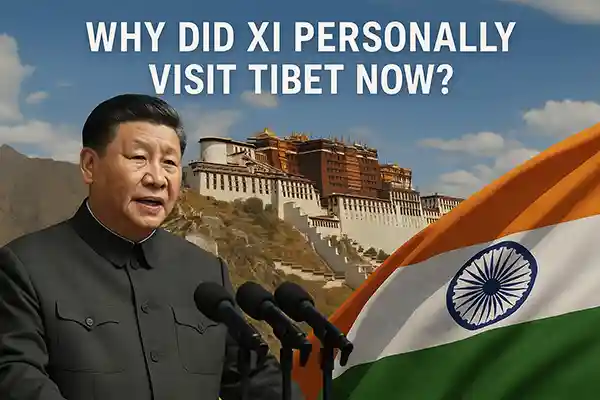
Image 4: The timing of Xi’s trip reflects both religious succession concerns and border strategy.
Click Here to Watch WGF News on World Leaders at WGF TV…
What Is Tibetan Buddhism?
Tibetan Buddhism is a branch of Mahayana Buddhism that incorporates elements of India’s tantric practices and Tibet’s indigenous Bon traditions. Known for its colorful rituals, chanting, and elaborate monasteries, it emphasizes compassion and the role of enlightened masters (lamas) who reincarnate to continue guiding their followers. Tibetan Buddhism is practiced not only in Tibet but also in Mongolia, Bhutan, Nepal, and parts of India, and it has millions of followers worldwide.
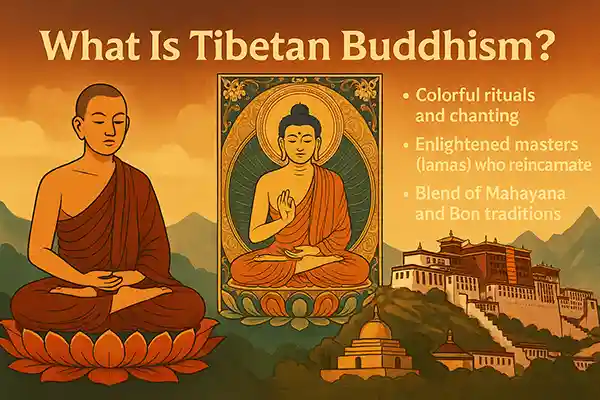
Image 5: Tibetan Buddhism blends ancient traditions with a global spiritual following.
Click Here to Read What Is A Ceasefire Agreement…
What Is a Theocratic Rule?
A theocracy is a system where religious leaders hold political power. In Tibet’s case, the Dalai Lama was both the spiritual and temporal leader. Decisions about governance, law, and diplomacy were often made in monasteries. While many Tibetans valued this unity of faith and politics, critics argued it concentrated power in religious elites. The system ended in 1959 with China’s takeover, but in exile, Tibetans still maintain a form of religiously guided governance.
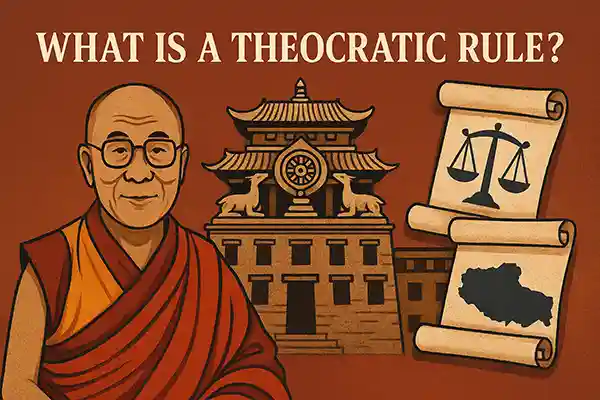
Image 6: For centuries, Tibet’s governance was guided by faith as much as politics.
Click Here to Read What Is De-Dollarisation…
Who Is the Dalai Lama?
The Dalai Lama is the spiritual leader of Tibetan Buddhism and, historically, Tibet’s political head. The current 14th Dalai Lama, Tenzin Gyatso, was enthroned in 1940 and fled to India in 1959. Respected worldwide for his teachings on compassion, peace, and non-violence, he received the Nobel Peace Prize in 1989. While he renounced formal political leadership in 2011, his moral and spiritual influence remains significant. For Tibetans, the Dalai Lama is both a religious master and a symbol of identity.
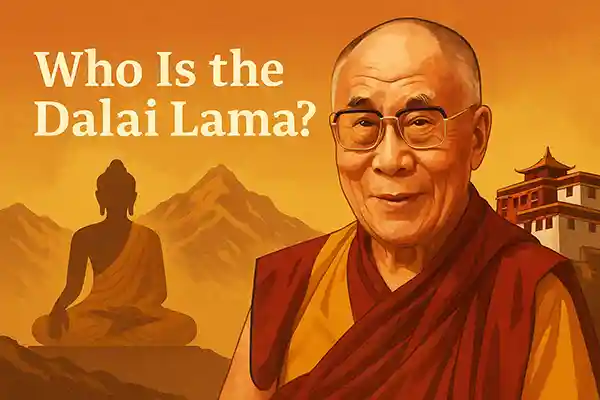
Image 7: The Dalai Lama remains both a spiritual teacher and a symbol of Tibetan identity.
Click Here to Read What Is the Hiroshima Atomic Bombing’s Legacy – 80 Years Later…
What Is at Stake in the Dalai Lama’s Succession?
Tibetan Buddhists believe the Dalai Lama reincarnates to guide followers through compassion. The 14th Dalai Lama has announced that his office will recognize his successor, likely outside Chinese-controlled Tibet. Beijing, however, insists only the Communist Party can approve reincarnations. This could result in two competing claimants: one chosen by Tibetan tradition, and another endorsed by the Communist Party. Such a scenario could create divisions within Tibetan Buddhism, affect global recognition, and spark renewed religious and political tensions.
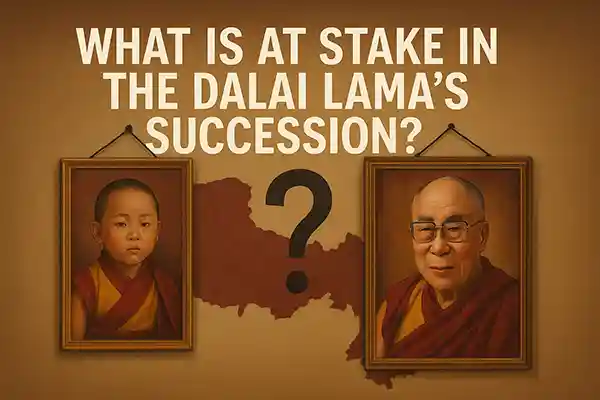
Image 8: Succession raises profound questions about faith, authority, and legitimacy.
Click Here to Read What Is the Trump–Putin Alaska Summit About…
What Is the Process of Dalai Lama Succession?
Traditionally, senior monks search for signs of the Dalai Lama’s rebirth. This includes visions, dreams, or omens pointing to a location, and identifying a child who recognizes belongings of the previous Dalai Lama. The child is then tested, trained, and formally recognized. This process, sacred to Tibetans, has occurred for centuries without state interference. Beijing’s attempt to control it is seen as challenging religious authenticity.
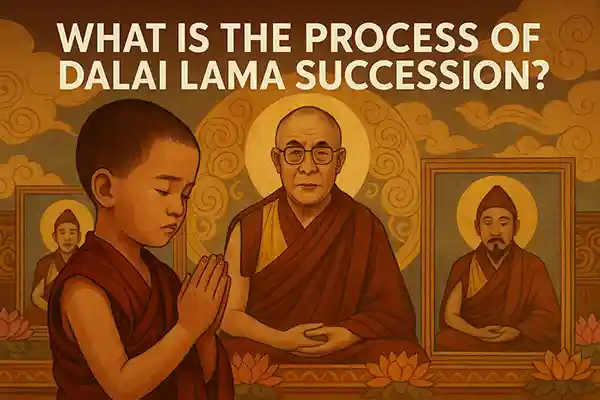
Image 9: The search for a new Dalai Lama follows rituals that span centuries.
Click Here to Read What Is the Russian Volcano Eruption After 500 Years…
What Role Do Mega Projects Play in Xi’s Tibet Strategy?
Xi highlighted ambitious projects such as the Sichuan–Tibet Railway and the Yarlung Tsangpo hydropower dam. These projects aim to integrate Tibet into China’s economy and strengthen border defense. The hydropower dam, set to be the largest in the world, could generate immense energy but raises concerns in India and Bangladesh, who rely on downstream rivers. Tibet’s geography is strategically significant, with its resources, water, and military positioning. For Beijing, infrastructure serves both development and security purposes.
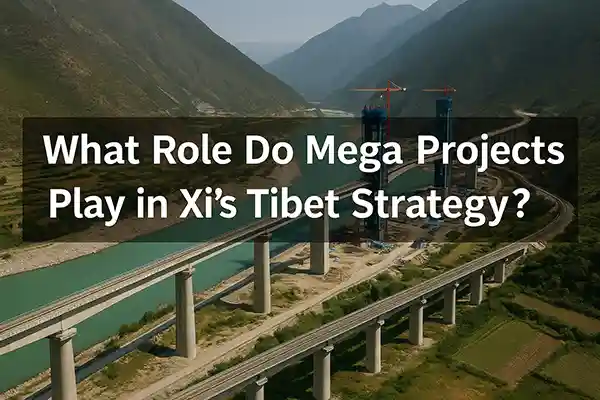
Image 10: Railways and dams in Tibet serve both economic goals and strategic interests.
Click Here to Read What Is Coral Bleaching…
Who Was Mao Zedong?
Mao Zedong was the founding father of the People’s Republic of China and leader of the Communist Party from 1949 until his death in 1976. He authorized the 1950 military takeover of Tibet and called it a liberation. Mao’s policies, including the Cultural Revolution, led to widespread suppression of Tibetan monasteries, destruction of relics, and restrictions on religious practice. His legacy continues to influence Beijing’s policies on Tibet.
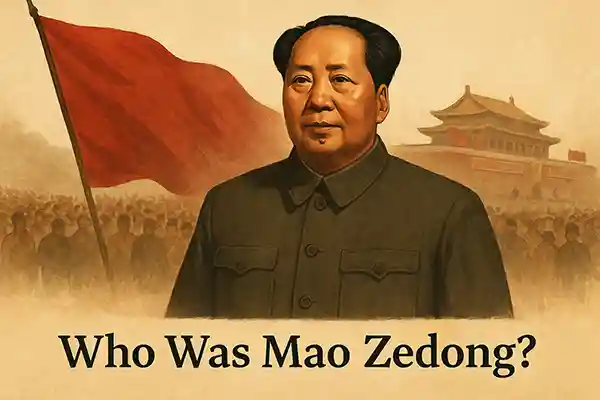
Image 11: Mao’s policies left a lasting imprint on Tibet’s religious and cultural life.
Click Here to Read What Is Botox…
What Is the People’s Liberation Army?
The People’s Liberation Army (PLA) is China’s military force, founded in 1927 and central to the Communist Party’s rise. In 1950, the PLA entered Tibet, defeating Tibetan forces and securing Chinese control. Today, the PLA plays a dual role in Tibet: ensuring security against dissent and projecting military power along the sensitive India–China border. Its presence in Tibet is both symbolic and strategic.
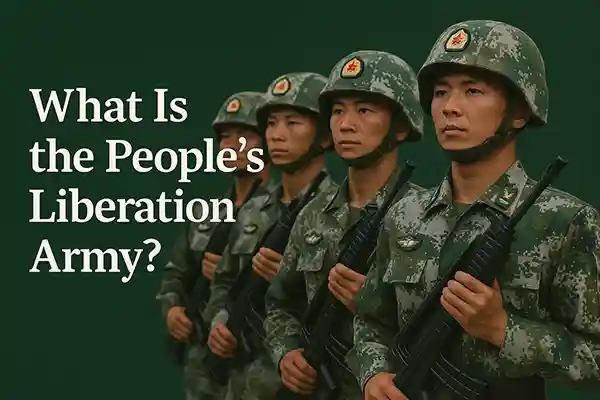
Image 12: The PLA remains central to Beijing’s authority in Tibet and along the India–China border.
Click Here to Read What Are Wildfires…
WGF Take – A Mix of Religion and Politics Invariably Brews a Bitter Potion
Xi Jinping’s visit to Tibet was more than ceremony – it was a clear signal. With the Dalai Lama’s succession looming, Beijing is determined to control the narrative by tying Tibet’s destiny to dams, railways, and state-led ideology. Yet faith does not bend easily to politics. If China presses ahead with installing its own Dalai Lama, the result could be not only a religious split but a legitimacy crisis that echoes across borders.
Tibet’s struggle is not just about land or sovereignty; it is about identity colliding with power. For Tibetans, faith and culture are non-negotiable. For Beijing, sovereignty is absolute. This clash has already fueled decades of resistance – from the 2008 protests to waves of self-immolations – and it shows no sign of fading.
China presents Tibet as a showcase of development, yet beneath the surface lies deep tension. On one side stands Tibetan Buddhism, rooted in centuries-old traditions of reincarnation and spiritual authority. On the other side stands modern China – a nation renowned for inventions from paper and the compass to today’s high-speed rail and mega-dams. Xi’s visit reflects an effort to fold Tibet into this narrative of progress, but culture and faith cannot be engineered into uniformity.
Religion, when politicized, rarely brings stability. Tibet remains a crossroads – where ancient spirituality meets modern ambition, and where the interaction of tradition and statecraft may shape not only Tibet’s future but also the balance of Asia’s geopolitics.
Follow World Growth Forums on the following for more updates…