
Economy & Trade

World Growth Forums Magazine
Keynote Speech by Dr Alfredo Sfeir-Younis _ WGF-GBIF Thailand 2024
What Is a Bitcoin – The Story?
The World’s Most Talked-About Digital Currency
As of August 15, 2025, Bitcoin remains one of the most discussed and debated topics in global finance. Its market capitalization has crossed the $1.5 trillion mark again this month, driven by renewed institutional investment, fresh interest from developing economies, and ongoing debates about cryptocurrency regulation. Whether hailed as ‘digital gold’ or criticized as a volatile gamble, Bitcoin continues to shape conversations in economics, technology, and even geopolitics.
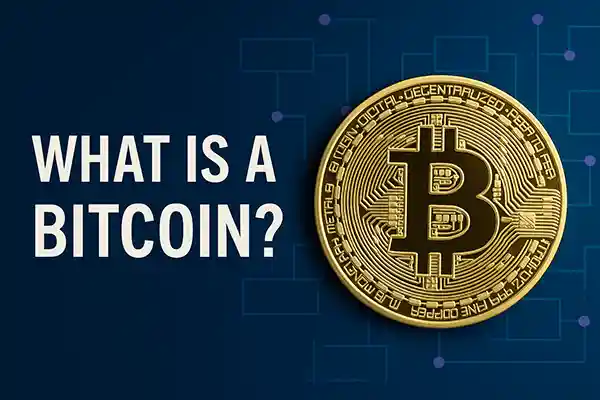
Image 1: Bitcoin is more than a currency – it’s a shift in how we think about money and trust in the digital age.
Click Here to Read WGF Blogs from World Leaders…
What Is the Story of the Bitcoin?
The World in 2008
In 2008, the global economy was in turmoil. The collapse of Lehman Brothers in September triggered a chain reaction in financial markets. Banks were failing, stock markets were crashing, and millions of people lost their jobs and homes. Governments responded with massive bailouts for financial institutions – sparking anger over how the very entities that caused the crisis were being rescued while ordinary citizens suffered.
Trust in the traditional financial system was at an all-time low. People began questioning the fairness and stability of a system controlled by a few powerful banks and regulators. It was against this backdrop that a revolutionary idea quietly emerged.
The White Paper
On October 31, 2008, someone using the pseudonym Satoshi Nakamoto posted a message on the Cryptography Mailing List at metzdowd.com. Attached was a nine-page document titled Bitcoin: A Peer-to-Peer Electronic Cash System. This white paper proposed a currency that could be sent directly from person to person over the Internet – without going through a bank – secured entirely by cryptography and recorded on a public ledger called the blockchain.
The Genesis Block and Its Hidden Message
By January 3, 2009, Nakamoto had mined the very first block of the Bitcoin blockchain – known as the genesis block. Embedded in the block’s code was the text:
“The Times 03/Jan/2009 Chancellor on brink of second bailout for banks”
This was a headline from the British newspaper The Times on the same day. It served a dual purpose:
- Timestamp – proving the block’s creation date
- Political Statement – subtly criticizing the repeated bank bailouts that defined the 2008–2009 crisis
The message became a symbolic declaration that Bitcoin aimed to be an alternative to the centralized, bailout-prone system.
What Is Mining in This Context?
In Bitcoin, mining is the process by which transactions are verified and added to the blockchain. Miners use powerful computers to solve complex mathematical puzzles – called proof-of-work – which require significant computational effort.
- Incentive: The first miner to solve the puzzle for a block is rewarded with newly created Bitcoins (known as the block reward) and transaction fees
- Security: Mining prevents double-spending and ensures no single party can control the ledger
- Difficulty Adjustment: The puzzles become harder as more miners join, keeping the block creation time at roughly 10 minutes
In 2009, mining could be done with an ordinary laptop. Today, it requires specialized machines called ASICs (Application-Specific Integrated Circuits) that consume enormous electricity.
The First Bitcoin Purchase – 10,000 BTC for Pizza
In May 2010, a programmer in Florida named Laszlo Hanyecz offered 10,000 Bitcoins on a Bitcoin forum in exchange for two large pizzas from Papa John’s. Another user took up the offer, placing the order and receiving the Bitcoins in return. At the time, the 10,000 BTC were worth about $41 USD.
This event is celebrated every year as ‘Bitcoin Pizza Day’ on May 22. It was the first time Bitcoin was used to purchase a physical good – proving the concept of Bitcoin as a medium of exchange. Ironically, at Bitcoin’s 2025 price levels, those pizzas would be worth hundreds of millions of dollars.
From Niche Experiment to Global Financial Force
Bitcoin’s journey has been anything but smooth:
Wild Price Swings: Bitcoin has seen dramatic rises and crashes – sometimes gaining or losing 50% of its value in weeks. In 2017, it went from $1,000 to nearly $20,000, then dropped to around $3,000 within a year. Similar volatility has repeated multiple times.
Exchange Hacks: Centralized cryptocurrency exchanges, where people buy and sell Bitcoin, have been frequent targets for hackers. The Mt. Gox hack in 2014 saw 850,000 Bitcoins stolen, shaking public trust in crypto platforms.
Government Crackdowns: Countries like China have banned Bitcoin mining and trading, citing environmental concerns, capital flight risks, and threats to financial stability. Other nations have imposed strict regulations, requiring exchanges to verify customer identities and report suspicious activity.
Equally Dramatic Recoveries: Despite these setbacks, Bitcoin has consistently rebounded – often reaching new all-time highs after each major crash. Its ability to recover has been one of the factors that keeps drawing in new investors.
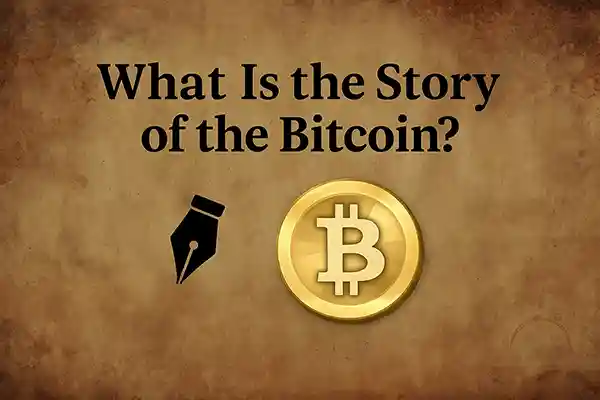
Image 2: From a white paper posted in 2008 to a trillion-dollar market in 2025, Bitcoin’s journey reflects innovation born out of crisis.
Click Here to Read What Is Israel’s Gaza City Takeover Plan…
So, What Is a Bitcoin?
Bitcoin is a digital currency, or cryptocurrency, that operates without a central authority like a bank or government. It allows people to send and receive payments securely over the Internet using cryptographic protocols. Unlike physical money, Bitcoin exists only in digital form and is designed to be borderless, censorship-resistant, and accessible to anyone with an Internet connection. It is stored in ‘wallets’, which are software applications or hardware devices that manage your Bitcoin holdings.
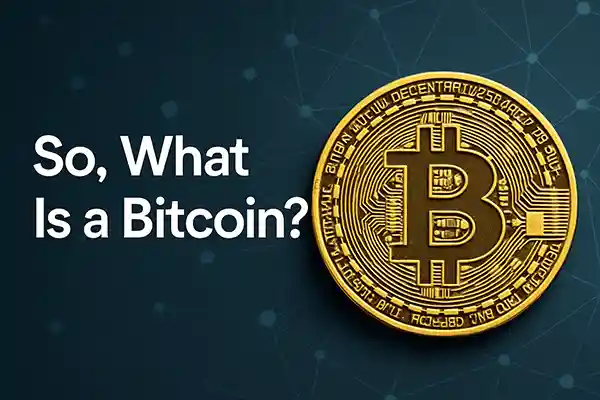
Image 3: A decentralized digital currency that operates without borders, Bitcoin challenges the rules of traditional finance.
Click Here to Read More under WGF What Is Series…
What Are Bitcoin Wallets?
Since Bitcoin exists purely in digital form, it can’t be stored in a physical purse or safe. Instead, Bitcoins are kept in digital wallets – software applications or hardware devices that store the cryptographic keys needed to access and send your Bitcoin.
Hot Wallets: Connected to the Internet. Convenient for frequent transactions but more vulnerable to hacking. Examples include mobile apps, web wallets, and exchange accounts.
Cold Wallets: Completely offline, cold wallets store your Bitcoin’s private keys away from the internet, making them highly secure against hacking attempts. However, this also means you need physical access to the wallet to make transactions. These are highly secure against online attacks but less convenient for quick transfers. Examples include hardware wallets and paper wallets.
- Hardware Wallets: Small, USB-like devices that securely store your private keys in encrypted form. They require you to physically connect the device to your computer or smartphone when you want to send Bitcoin. Even if your computer is infected with malware, the private keys never leave the device. Popular examples include Ledger Nano X and Trezor Model T.
- Paper Wallets: A physical printout or handwritten record of your Bitcoin private key and public address. They’re completely immune to online hacking because they exist only in the physical world. However, they must be stored securely – damage, loss, or theft of the paper means losing access to your Bitcoin permanently.
Owning a wallet doesn’t mean storing ‘coins’ inside it – it stores the private keys that give you control over your Bitcoin on the blockchain. Lose these keys, and you lose access to your funds forever.
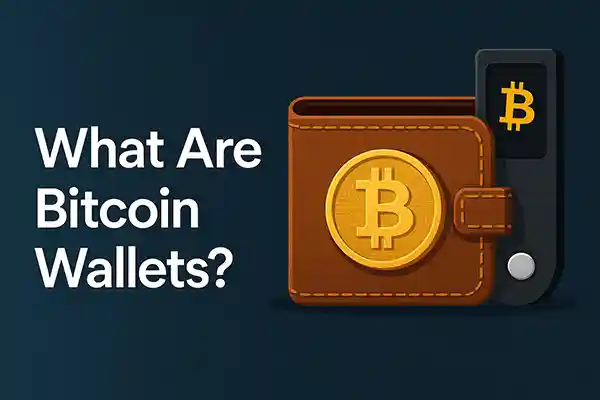
Image 4: Owning Bitcoin means securing your private keys – your true access to the world’s leading cryptocurrency.
Click Here to Read What Is NATO…
How Bitcoin Works?
At its core, Bitcoin runs on blockchain technology – a public, decentralized ledger maintained by thousands of computers worldwide.
- Mining: Mining is the process of validating transactions and adding them to the blockchain. Miners compete to solve complex mathematical problems called proof-of-work. The first miner to solve the puzzle gets to add a new ‘block’ of transactions to the chain and earns a block reward – newly minted Bitcoins plus transaction fees. This system keeps the network secure and self-sustaining.
- Transactions: When you send Bitcoin, the transaction is broadcast to the network. Miners verify that:
- The sender has enough Bitcoin
- The same Bitcoin hasn’t been spent twice (no double-spending)
Once confirmed, the transaction is added to a block and permanently recorded on the blockchain.
- Security: Bitcoin’s security comes from cryptography and decentralization:
- Transactions are irreversible – once confirmed, they can’t be altered
- The network is distributed across thousands of nodes, making it nearly impossible for a single entity to take control
The cost and computing power needed to rewrite the blockchain are so enormous that attacks are impractical for most actors
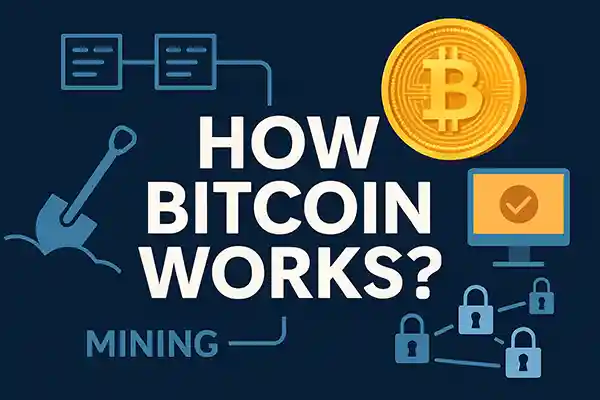
Image 5: Blockchain, mining, and cryptography combine to make Bitcoin transactions transparent, secure, and resistant to tampering.
Click Here to Watch Keynote Speeches and Interviews of World Leaders at WGF YouTube…
What Is the Brief History of Bitcoin?
Bitcoin’s timeline is marked by several key milestones:
- 2008: White paper published by Satoshi Nakamoto.
- 2009: Genesis block mined.
- 2010: First real-world transaction – 10,000 BTC for two pizzas.
- 2013: Price crosses $1,000 for the first time.
- 2017: Bitcoin reaches nearly $20,000 before a massive correction.
- 2021: Bitcoin surpasses $60,000 amid institutional interest.
- 2025: Bitcoin adoption grows in parts of Africa, Asia, and Latin America.
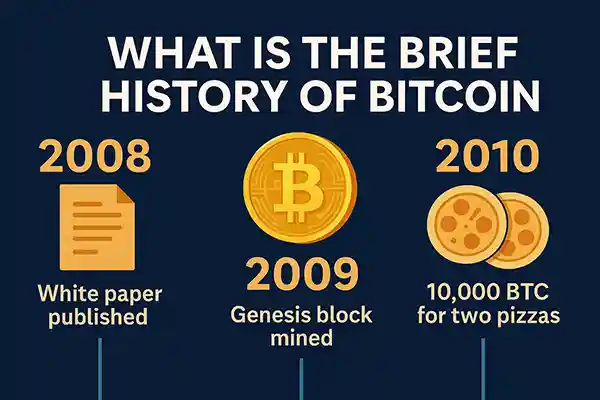
Image 6: Key milestones – from the first Bitcoin block to the legendary 10,000 BTC pizza purchase – shaped its path to global recognition.
Click Here to Watch WGF News on World Leaders at WGF TV…
Why People Invest in Bitcoin?
There are several attractive reasons:
- Hedge Against Inflation: Limited supply (only 21 million Bitcoins will ever exist) makes it attractive as a store of value
- High Returns Potential: Large price swings create opportunities for traders
- Global Accessibility: Anyone with Internet access can buy and send Bitcoin, bypassing traditional banking barriers

Image 7: For some, it’s a hedge against inflation; for others, it’s a high-risk, high-reward speculation on the future of money.
Click Here to Read What Is A Ceasefire Agreement…
What Are the Risks and Criticisms?
They are also several and obvious:
- Price Volatility: Prices can swing dramatically in hours or days
- Environmental Concerns: Mining consumes significant energy
- Regulatory Uncertainty: Governments may restrict or ban usage
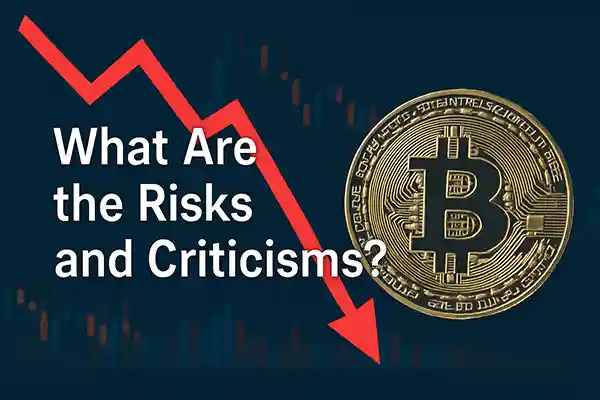
Image 8: Volatility, environmental concerns, and regulatory uncertainty remain the biggest obstacles to Bitcoin’s mass adoption.
Click Here to Read What Is De-Dollarisation…
How to Buy and Store Bitcoin Safely?
One must follow a process:
- Choose a Reliable Exchange: Platforms like Coinbase, Binance, or regional exchanges.
- Secure a Wallet:
- Hot wallets (online, quick access but less secure)
- Cold wallets (offline, highly secure but less convenient)
- Enable Security Measures: Use two-factor authentication and keep recovery keys safe.

Image 9: Security is non-negotiable – from choosing the right exchange to protecting your assets in cold storage.
Click Here to Read What Is the Hiroshima Atomic Bombing’s Legacy – 80 Years Later…
Bitcoin in the Global Context (2025)
Bitcoin’s impact is no longer limited to early adopters and tech enthusiasts:
- Leading Adopters: El Salvador, Nigeria, and the Central African Republic integrate Bitcoin into their financial systems
- Restrictive Nations: China and some Middle Eastern countries maintain strict bans
- Trade Influence: Bitcoin is increasingly discussed as a potential settlement tool in international trade agreements
Image 10: Bitcoin adoption varies worldwide, with some nations embracing it as legal tender while others ban it outright.
Click Here to Read What Is the Kim Keon-hee Scandal…
What Is the Future of Bitcoin?
While no one can predict Bitcoin’s price with certainty, experts point to continued growth in adoption, especially in developing economies where traditional banking is limited. Regulatory clarity in major markets could either accelerate or slow down adoption. Innovations like the Lightning Network may make Bitcoin transactions faster and cheaper, broadening its real-world use. Lightning Network is a second-layer payment protocol built on top of the Bitcoin blockchain that enables near-instant, low-cost transactions. It may make Bitcoin transfers faster and cheaper, broadening its real-world use.
Image 11: Will Bitcoin become the backbone of global finance or remain a disruptive alternative? The next decade will decide.
Click Here to Read What Is a Jellyfish Swarm Shutdown…
WGF Take – Technology Must Be Respected; Gambling Must Be Avoided
Bitcoin’s story is no longer just about a niche financial experiment – it’s a global test case for how the world adapts to decentralized, borderless money. For investors, it offers extraordinary opportunity alongside significant risk. For nations, it challenges the very foundation of monetary control. As adoption deepens, Bitcoin could either integrate into global systems or remain a disruptive outlier.
It also represents one of the most important technological breakthroughs in modern finance – a working example of decentralized trust. Its blockchain model has inspired innovations far beyond currency, from supply chain verification to secure voting systems. At its best, this is technology solving a deep human problem: how to agree on truth without a central authority.
The danger is that too many treat Bitcoin as a slot machine, chasing price swings without understanding the system beneath. This is where fortunes vanish and trust in the technology erodes. Volatility is not a flaw of Bitcoin’s design – it’s a reflection of human behavior, speculation, and hype cycles.
Respecting Bitcoin means approaching it as a tool, not a ticket. Learn how it works, secure it properly, and use it where it truly adds value. Gambling on its price without grasping its fundamentals isn’t building the future of money – it’s playing a high-stakes game in a casino that never closes.
At WGF, we believe technology earns its place in history when it’s understood, applied with purpose, and allowed to evolve. Bitcoin may or may not become the world’s dominant currency, but its lesson is already clear: the difference between innovation and illusion lies in how we choose to engage with it – and that choice will define whether it shapes our future or fades into a footnote.
Follow World Growth Forums on the following for more updates…