
Economy & Trade

World Growth Forums Magazine

Keynote Speech by Dr Alfredo Sfeir-Younis _ WGF-GBIF Thailand 2024
What Are Bitcoins – The News?
Understanding the World’s Leading Cryptocurrency and Its Latest Record Surge
Bitcoin, the world’s largest cryptocurrency by market value, hit a fresh all-time high of $124,002.49 in early Asian trading on August 14, 2025, surpassing its previous peak from July. This milestone comes amid growing expectations that the U.S. Federal Reserve will ease interest rates, combined with a series of pro-crypto policy moves from President Donald Trump’s administration. As Bitcoin continues to dominate headlines, it’s worth exploring what it actually is, why it matters, and what’s driving this latest surge.
Image 1: Bitcoin’s record-breaking surge reshapes the conversation on global finance.
Click Here to Read WGF Blogs from World Leaders…
What Is Bitcoin?
Bitcoin is a digital form of money that operates without banks or governments. It was introduced in 2009 by a mysterious creator using the name Satoshi Nakamoto. Unlike traditional currencies like the U.S. dollar, Bitcoin exists only online and is powered by a network of computers worldwide. Every transaction is recorded on a shared digital log called the blockchain, making it transparent and extremely difficult to alter. People can use Bitcoin to send money across the world instantly, invest as a store of value, or trade it like a commodity.
Image 2: The pioneering cryptocurrency that sparked a financial revolution.
Click Here to Read What Is Israel’s Gaza City Takeover Plan…
What Is Digital Currency?
A digital currency is money that exists purely in electronic form – it has no paper bills or coins. It can be centralized, like a central bank digital currency (CBDC) issued by a government, or decentralized, like Bitcoin, which is not controlled by any authority. Digital currencies make it easy to transfer value instantly, often at lower cost, and they are stored in digital wallets rather than physical bank accounts.
Image 3: Exploring the digital money transforming how the world transacts.
Click Here to Read More under WGF What Is Series…
What Is Blockchain?
The blockchain is the technology that makes Bitcoin possible. Think of it as a shared database that anyone can view but no single person controls. Transactions are grouped into ‘blocks’, and each block is linked to the one before it, forming a ‘chain’. Once data is recorded, it’s nearly impossible to change – making the blockchain highly secure and trustworthy for financial transactions and other uses like supply chain tracking or identity verification.

Image 4: The secure, transparent ledger powering the crypto ecosystem.
Click Here to Read What Is NATO…
What Is Cryptography?
Cryptography is the science of keeping information safe from prying eyes. In Bitcoin, cryptography ensures two key things:
- Only the rightful owner of a Bitcoin can spend it.
- Transactions cannot be altered after they are recorded.
It uses complex mathematical formulas to encrypt information so that only authorized parties can read or verify it. This is what keeps Bitcoin secure even without a central bank.

Image 5: The science that keeps Bitcoin transactions safe and trustworthy.
Click Here to Watch Keynote Speeches and Interviews of World Leaders at WGF YouTube…
What Are Cryptocurrencies?
Cryptocurrencies are digital assets that use blockchain technology and cryptography to work securely. Bitcoin was the first, but now there are thousands, including Ether (Ethereum), Ripple (XRP), and Litecoin. Each has its own rules, purposes, and communities. Some aim to replace traditional money, others power decentralized applications, and some are linked to real-world assets.

Image 6: From Bitcoin to altcoins – digital assets redefining investment.
Click Here to Watch WGF News on World Leaders at WGF TV…
Why the Fed’s Monetary Policy Matters for Bitcoin?
When the U.S. Federal Reserve changes interest rates, it affects the entire economy. Lower interest rates make borrowing cheaper and encourage spending and investment – including in higher-risk assets like Bitcoin. If the Fed cuts rates, as many expect, it can push more money into the financial system, which often benefits assets that thrive in a risk-on environment.
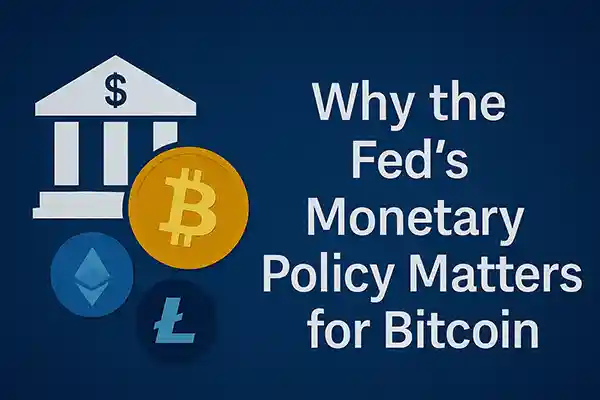
Image 7: Interest rate shifts can send crypto markets soaring or tumbling.
Click Here to Read What Is A Ceasefire Agreement…
What Are Borrowing Costs?
Borrowing costs are the total expenses you pay when you take a loan – mainly the interest charged. If the Fed lowers rates, those borrowing costs drop, encouraging individuals and companies to take loans for investment or business growth. Cheaper borrowing often increases demand for investments like stocks, property, and now, cryptocurrencies.

Image 8: Understanding how lending rates influence financial and crypto markets.
Click Here to Read What Is De-Dollarisation…
What Is Market Liquidity?
Market liquidity means how quickly and easily something can be bought or sold without changing its price too much. A market with lots of buyers and sellers – like the stock market – is very liquid. In crypto, higher liquidity means it’s easier for large transactions to happen without causing big price swings. Bitcoin’s liquidity has improved over the years, making it more appealing to big investors.

Image 9: The ease of buying or selling assets without moving prices dramatically.
Click Here to Read What Is the Hiroshima Atomic Bombing’s Legacy – 80 Years Later…
What Are Trump Administration’s Pro-Crypto Policies?
Since returning to office in 2025, President Donald Trump has actively promoted cryptocurrency adoption. His administration has:
- Allowed Bitcoin and other crypto assets in 401(k) retirement accounts
- Passed stablecoin regulations to boost trust in dollar-linked tokens
- Directed the SEC to update rules for digital assets to encourage innovation
This policy shift has been a major driver of this year’s crypto rally.

Image 10: New U.S. policies aim to integrate crypto into mainstream finance.
Click Here to Read What Is the Kim Keon-hee Scandal…
What Is Stablecoin Regulation?
Stablecoins are cryptocurrencies pegged to a stable asset like the U.S. dollar to avoid wild price swings. Stablecoin regulation sets rules for how they are issued, backed, and managed. In the U.S., new laws require issuers to hold real dollar reserves for every stablecoin they create and to be transparent about their finances. This makes stablecoins safer for both individuals and institutions.

Image 11: Balancing innovation with investor protection in digital currencies.
Click Here to Read What Is a Jellyfish Swarm Shutdown…
Institutional Buying and Market Impact
When big financial players – like BlackRock and Fidelity – buy Bitcoin, it sends a strong signal that the asset is maturing. These institutions bring large amounts of money, advanced trading systems, and a sense of legitimacy, all of which can drive prices up and encourage wider adoption.

Image 12: Big players entering crypto can shift prices and confidence overnight.
Click Here to Read What Is Coral Bleaching…
What Is Institutional Buying?
Institutional buying occurs when large organizations, such as pension funds or hedge funds, purchase big amounts of an asset. Because of the size of their trades, they can influence market prices and trends. In Bitcoin’s case, institutional buying suggests growing trust in cryptocurrency as a mainstream investment.

Image 13: When asset managers and funds invest heavily in cryptocurrencies.
Click Here to Read What Is the Trump–Putin Alaska Summit About…
What Are Exchange-Traded Funds (ETFs)?
An ETF is a type of investment fund that trades on the stock market. A Bitcoin ETF lets people invest in Bitcoin without having to buy, store, or manage it directly. ETFs make it easier for everyday investors to get exposure to Bitcoin through their regular brokerage accounts, and they give institutions a regulated way to participate.
Image 14: ETFs open the door for everyday investors to join the crypto market.
Click Here to Read What Is Israel’s Gaza City Takeover Plan…
What Is the Bigger Picture – Crypto Market Growth Since Trump’s Return?
Since Trump’s election victory in November 2024, the total value of all cryptocurrencies combined has grown from $2.5 trillion to over $4.18 trillion. This growth is driven by new laws, institutional adoption, and a global appetite for alternative assets – despite uncertainty in other areas of the economy.

Image 15: The U.S. political shift fueling a trillion-dollar crypto rally.
Click Here to Read What Are Trump’s New Global Tariffs…
What Are the Risks and Challenges of Mainstream Crypto Adoption?
Bitcoin and other cryptocurrencies are volatile, meaning their prices can rise or fall dramatically in short periods. Adding them to retirement accounts could boost long-term gains – but could also lead to steep losses during downturns. Risks also include hacking, fraud, and sudden regulatory changes that could affect prices and adoption.

Image 16: Volatility, regulation, and security remain key hurdles.
Click Here to Read What Is Trump’s Nuclear Submarine Move About…
What’s Next for Bitcoin?
According to Market analyst Tony Sycamore, if Bitcoin can stay above $125,000, it might climb toward $150,000. The main factors to watch in the months ahead include:
- Fed interest rate cuts
- Continued institutional investment
- Any major policy changes in the U.S. or abroad

Image 17: Analysts predict potential new highs – but risks remain.
Click Here to Read Why Canada Is Now Considering Recognising a Palestinian State…
WGF Take – Our Editorial Insight
Bitcoin’s latest surge is the result of a perfect storm – favorable monetary policy expectations, supportive regulations, and strong institutional participation. However, as history has shown, the cryptocurrency market’s highs can be followed by sharp corrections.
For long-term investors, diversification remains key, and for policymakers, balancing innovation with investor protection will determine how sustainable this rally really is. As Bitcoin’s latest surge reflects a rare alignment of forces – supportive U.S. monetary policy expectations, regulatory clarity, and heavy institutional participation, these factors are boosting confidence not only in Bitcoin but in the broader digital asset ecosystem.
We know that crypto rallies often come with sharp pullbacks, and today’s optimism should be balanced with a clear-eyed view of the risks. For long-term investors, diversification remains the best safeguard. For policymakers, sustaining this momentum will require a steady regulatory hand that encourages innovation while protecting investors.
If these elements stay in balance, Bitcoin’s record-breaking run could be the start of a more mature, resilient phase in cryptocurrency’s evolution – not just another spike on the chart.
Follow World Growth Forums on the following for more updates…