
International

World Growth Forums Magazine

Keynote Speech by Dr Alfredo Sfeir-Younis _ WGF-GBIF Thailand 2024
What Is Israel’s Gaza City Takeover Plan?
Why Is It So Controversial?
On 8 August 2025, Israel’s security cabinet approved a plan to take control of Gaza City – the largest urban center in the Gaza Strip – marking a major escalation in the nearly two-year war with Hamas. Prime Minister Benjamin Netanyahu says the move is essential for Israel’s security, the defeat of Hamas, and the eventual handover of Gaza to an Arab-led administration. But the decision has divided Israel’s political and military leadership, alarmed allies, and raised fears of worsening the already catastrophic humanitarian crisis in the enclave.
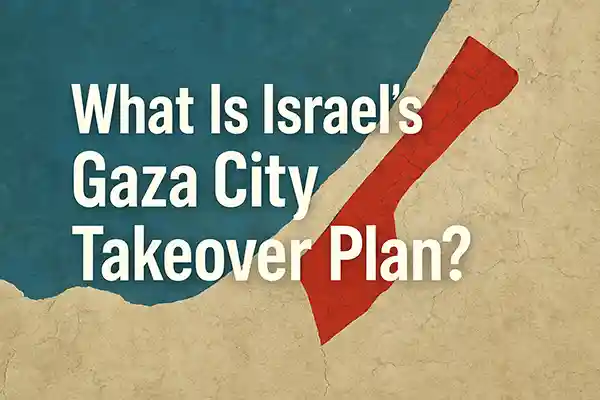
Image 1: Israel’s latest strategic move could reshape the course of the Gaza conflict – but at what cost?
Click Here to Know More About WGF Felicitations…
Background: Why Gaza City Is at the Center of Israel’s Plan?
Gaza City holds strategic and symbolic significance. As the most populous city in the Strip, it has historically been the hub of political, economic, and militant activity. Israel fully occupied Gaza after the 1967 war but withdrew in 2005, dismantling settlements and military outposts. Since the October 7, 2023 Hamas attacks, the Israeli military has retaken large swaths of Gaza, claiming control over roughly 75% of its territory. Now, Netanyahu’s focus has shifted to capturing the city itself – a move that could reshape the conflict’s trajectory.
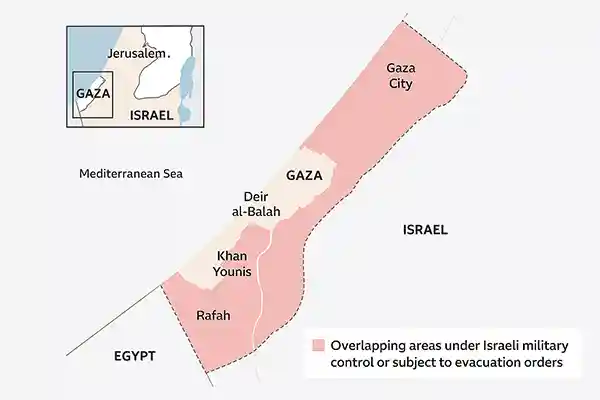
Image 2: Gaza City remains the symbolic and operational heart of the conflict, making it a decisive target for Israel.
Click Here to Read What Is A Ceasefire Agreement…
The Approved Plan: What the Security Cabinet Decided?
According to Netanyahu’s office, the plan calls for the Israel Defense Forces (IDF) to prepare for full military control of Gaza City while providing humanitarian aid outside combat zones. The proposal envisions evacuating civilians before launching a ground offensive, with an aim to dismantle Hamas’s remaining strongholds. Netanyahu insists Israel will not govern Gaza directly but intends to transfer administration to Arab forces – though no details have been provided on which countries might participate or how such governance would function.
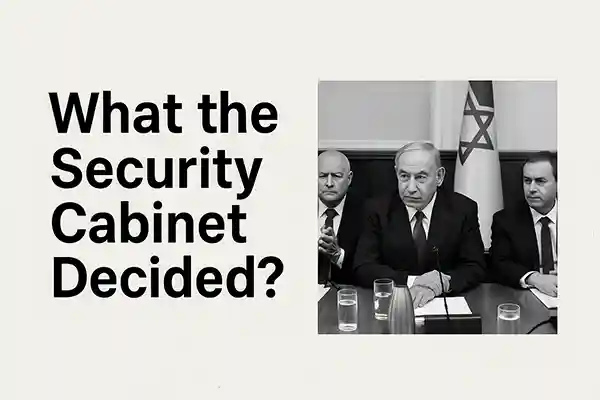
Image 3: The security cabinet’s green light signals a significant escalation in Israel’s military approach.
Click Here to Read More under WGF What Is Series…
Military Concerns: Warnings from the Army Leadership
Israel’s Chief of Staff, Lt Gen Eyal Zamir, reportedly warned Netanyahu that occupying Gaza City could be “tantamount to walking into a trap”. He argued that an expanded offensive could prolong fighting, exhaust soldiers, and risk the lives of the estimated 20 remaining hostages. Military leaders presented a more limited plan, but the cabinet rejected it in favor of the broader offensive.
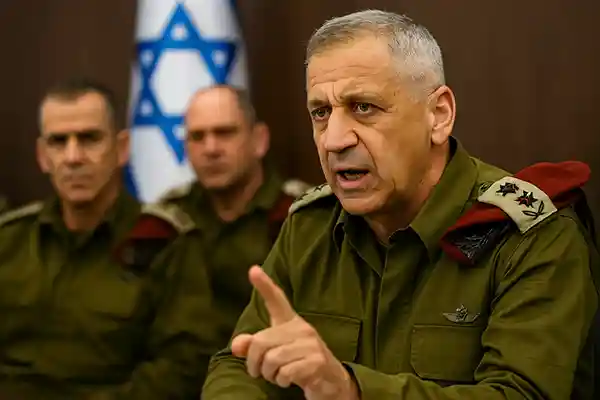
Image 4: Military leaders warn that the plan could endanger both soldiers and the remaining hostages.
Click Here to Read WGF Blogs from World Leaders…
Humanitarian Fallout: The Displacement and Crisis Risk
The proposed takeover could trigger another wave of mass displacement, with roughly one million Palestinians in Gaza City and surrounding camps potentially forced to flee. Humanitarian agencies warn that conditions – already dire after nearly two years of war – could deteriorate further, with shortages of food, medicine, and shelter. International law experts caution that large-scale forced displacement could amount to a war crime.
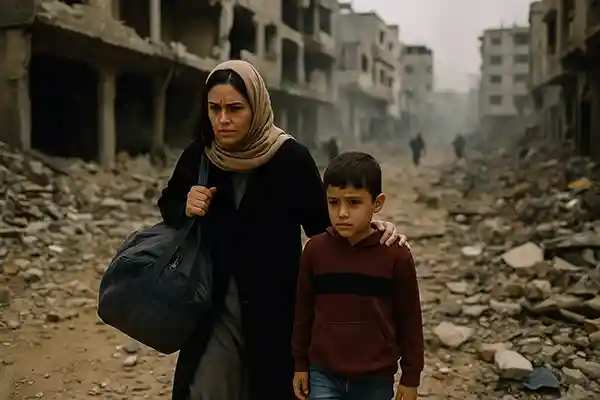
Image 5: Another wave of displacement risks deepening an already catastrophic humanitarian crisis.
Click Here to Watch Keynote Speeches and Interviews of World Leaders at WGF YouTube…
Post-War Governance: Netanyahu’s Vision vs. Alternatives
Netanyahu has ruled out governance by Hamas or the Palestinian Authority, proposing instead that Arab states oversee Gaza after Hamas’s defeat. This idea has met skepticism from Arab leaders, who say they will only support arrangements agreed upon by Palestinians themselves. Earlier this year, an Egyptian-backed plan for Palestinian technocrats to govern Gaza was rejected by Israel and the US. Hamas, for its part, has vowed to treat any foreign administration aligned with Israel as an occupying force.
Image 6: Post-war governance remains an unresolved question, with Arab states wary of taking the lead without Palestinian consent.
Click Here to Watch WGF News on World Leaders at WGF TV…
Global Reactions: Allies and Critics Weigh In
The UK’s ambassador to Israel, Simon Walter, called a full occupation of Gaza a ‘huge mistake’, while the US envoy, Mike Huckabee, stressed that the decision rests with Israel. The UN described reports of expanded operations as ‘deeply alarming’. Diverging opinions among allies underline the diplomatic strain Israel faces – particularly as civilian casualties mount and images of suffering in Gaza fuel global outrage.
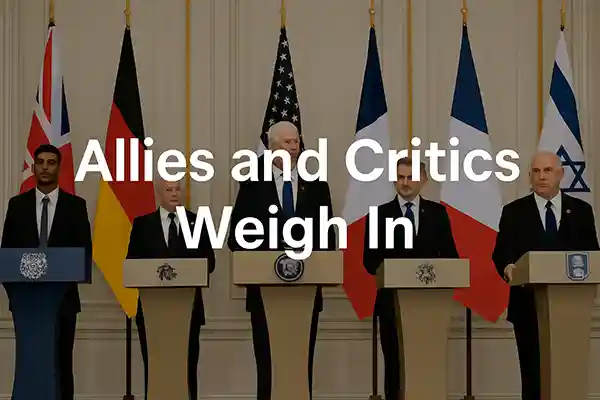
Image 7: Israel’s allies are divided – some back its security aims, others caution against full occupation.
Click Here to Read What Is NATO…
Hostage Situation: Negotiation vs. Military Action
About 50 hostages remain in Gaza, with Israeli officials believing only 20 are alive. Families of hostages argue that negotiations, not expanded offensives, offer the best hope for their release. Some fear that a large-scale military push could lead to the captives’ deaths, either at the hands of their captors or in crossfire. Previous hostage releases have largely resulted from mediated deals rather than battlefield rescues.
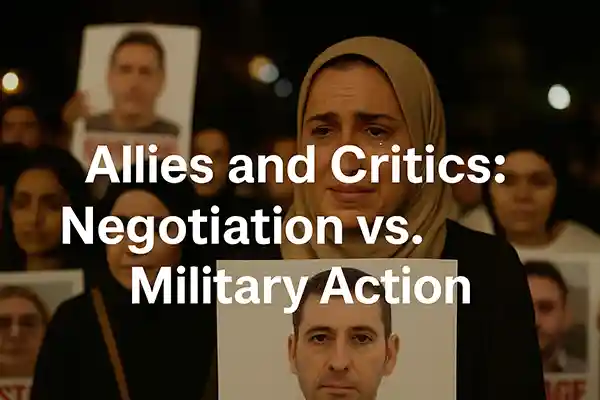
Image 8: Families of hostages push for negotiations, fearing military action will seal their loved ones’ fate.
Click Here to Read What Is De-Dollarisation…
Domestic Politics: Coalition Pressures and Public Opinion
Netanyahu’s fragile coalition relies on ultranationalist ministers such as Itamar Ben Gvir and Bezalel Smotrich, who openly advocate for the expulsion of Palestinians from Gaza and its resettlement by Israelis. Public opinion polls, however, suggest most Israelis prefer ending the war through a deal that secures the hostages’ release. Critics accuse Netanyahu of prolonging the conflict to maintain political support from his right-wing base.
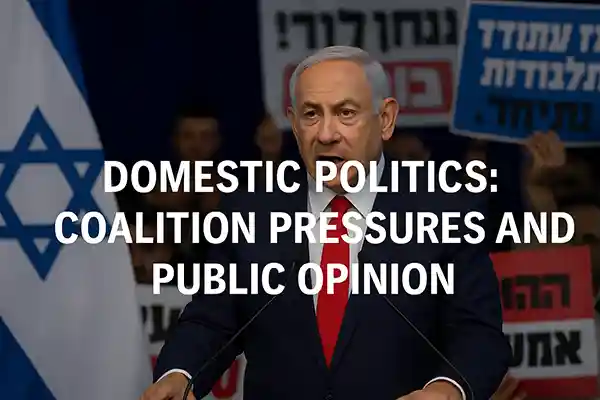
Image 9: Coalition politics and public opinion add pressure to Netanyahu’s already high-stakes decision-making.
Click Here to Read What Is the Hiroshima Atomic Bombing’s Legacy – 80 Years Later…
What This Means for the Gaza War’s Next Phase?
If implemented, the Gaza City takeover could extend the war for months, with unpredictable consequences. The move might weaken Hamas militarily but risks deepening the humanitarian crisis, alienating allies, and sparking further regional instability. Whether it accelerates Hamas’s defeat or entrenches the conflict will depend on Israel’s military strategy, international diplomacy, and the response of Palestinians both inside and outside Gaza.
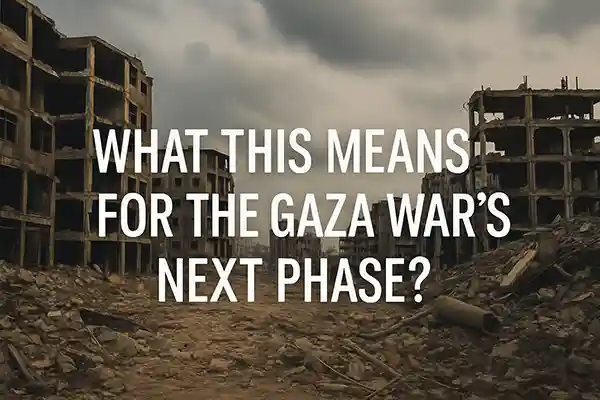
Image 10: The Gaza City takeover could mark a turning point – or a deeper entanglement in a prolonged war.
Click Here to Read What Is Indian Premier League…
WGF Take: Strategic Necessity or Risky Escalation?
The decision to target Gaza City is a high-stakes gamble. While Israel frames it as a step toward securing its borders and removing Hamas from power, the plan lacks a clear and viable blueprint for post-war governance. Without a concrete transition framework, the risk is that Israel could find itself mired in prolonged occupation, facing mounting global criticism and deepening humanitarian disaster. In the end, the success or failure of this strategy will hinge not just on military victories but on the political vision – or lack thereof – that follows.
From a strategic perspective, the takeover could temporarily weaken Hamas’s operational capacity by cutting off its central command structures. Yet history shows that military victories without political resolutions often lead to renewed cycles of violence. The absence of a credible long-term plan – particularly one that addresses Palestinian governance, reconstruction, and security – could allow new militant groups to emerge, filling any vacuum left behind.
The humanitarian dimension cannot be ignored! With over 61,000 Palestinians already killed in the conflict, another large-scale offensive risks intensifying the world’s perception of Israel as disregarding civilian welfare. This could translate into stronger diplomatic isolation, reduced Western support, and increased legitimacy for Hamas in the eyes of some in the Arab world – undermining the very security goals Israel seeks to achieve.
Domestically, Netanyahu’s move appears as much about political survival as it is about national security. His coalition’s far-right elements demand a maximalist approach, and failure to deliver could collapse his government. But political expediency should never dictate war strategy, especially when lives – Israeli and Palestinian – are at stake. If the cost of holding together a coalition is prolonging a devastating war, then Israel risks alienating not only allies abroad but also moderate voices at home.
Regionally, Arab states remain wary of involvement unless Palestinians themselves endorse the arrangement. Any perception that Arab-led governance in Gaza is a proxy for Israeli control will be met with rejection by both Palestinians and wider Arab opinion. That reality limits the feasibility of Netanyahu’s post-war vision, making it appear less like a plan and more like a placeholder for a problem deferred.
Ultimately, this moment could define the course of the Gaza war. If Israel proceeds without a parallel diplomatic strategy, it may win the battle for Gaza City but lose the broader war for regional stability and legitimacy. True security will not come solely from controlling territory; it will come from a political settlement that addresses both Israel’s safety and Palestinian aspirations. Until such a vision is clearly articulated and earnestly pursued, each military gain risks becoming another step deeper into a conflict with no clear endpoint.
Follow World Growth Forums on the following for more updates…