
International
World Growth Forums Magazine

Keynote Speech by Dr Alfredo Sfeir-Younis _ WGF-GBIF Thailand 2024
Why Canada Is Now Considering Recognising a Palestinian State?
And What It Means for Global Diplomacy
In a landmark shift in Canadian foreign policy, Prime Minister Mark Carney announced (July 31, 2025) that Canada plans to formally recognise the State of Palestine in September 2025, becoming the third G7 nation – after France and the United Kingdom – to do so in recent days.
Carney emphasised that recognition would hinge on democratic reforms within the Palestinian Authority, including elections without Hamas. The announcement has sparked both domestic and international debate, coming amid growing calls from Canadian diplomats and civil society to align with international law and human rights.
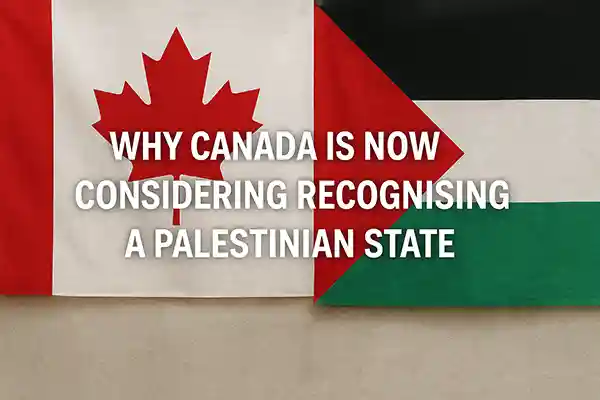
Image 1: Amid rising international support for Palestinian statehood, Canada signals a possible policy shift driven by diplomatic, political, and public pressure.
Click Here to Know More About WGF Felicitations…
Background: The Push for Palestinian Statehood
The question of Palestinian statehood has long been a central issue in Middle Eastern geopolitics. Since the adoption of UN Resolution 181 in 1947, which proposed a partition of British Mandate Palestine into Jewish and Arab states, the Palestinian quest for sovereignty has been both politically and symbolically significant.
Today, 147 of the 193 UN member states recognise Palestine as a state. However, many influential Western powers, including Canada (until now), the United States, Germany, and Australia, had previously withheld formal recognition – largely in support of a negotiated two-state solution involving Israel.
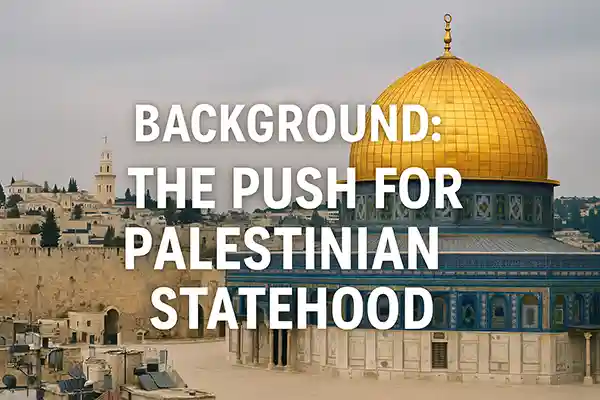
Image 2: Decades of global advocacy for Palestinian recognition have gained momentum, with recent developments pressuring Western nations like Canada to reconsider their stance.
Click Here to Read What Is A Ceasefire Agreement…
Who Recognised Palestine First – France and UK’s Recent Moves?
On July 30, 2025, the United Kingdom declared it would recognise a Palestinian state in September unless Israel agreed to a ceasefire and other preconditions. This followed France’s announcement a week earlier, stating that formal recognition would be part of its response to the escalating humanitarian crisis in Gaza and the deadlock in peace talks.
Both France and the UK cited Israel’s expansion of settlements, the ongoing Gaza war, and the lack of a viable peace process as reasons for the shift. Their decisions marked a major turn in Western policy, putting increased pressure on Israel and opening the door for other allies – such as Canada – to follow suit.
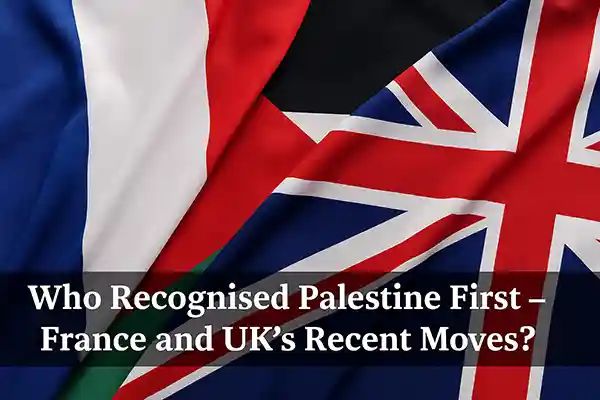
Image 3: France and the UK have taken bold steps by pledging recognition of Palestine – moves that have reshaped Western diplomacy and influenced Canada’s response.
Click Here to Read More under WGF What Is Series…
Canada’s Stance: What Prime Minister Mark Carney Actually Said?
On July 31, 2025, Prime Minister Mark Carney announced that Canada intends to recognise a Palestinian state at the upcoming UN General Assembly in September.
Carney stated that the decision reflects Canada’s evolving view of the Israeli–Palestinian conflict, especially after the October 7, 2023 Hamas-led attack on Israel, the worsening humanitarian crisis in Gaza, and the expansion of Israeli settlements in the occupied West Bank.
He stressed that recognition would be conditional – based on commitments from the Palestinian Authority to hold democratic elections without Hamas involvement, and to undertake governance reforms and demilitarisation.
Carney declared:
“The prospect of a Palestinian state is being eroded before our eyes… The level of human suffering in Gaza is intolerable and it is rapidly deteriorating.”
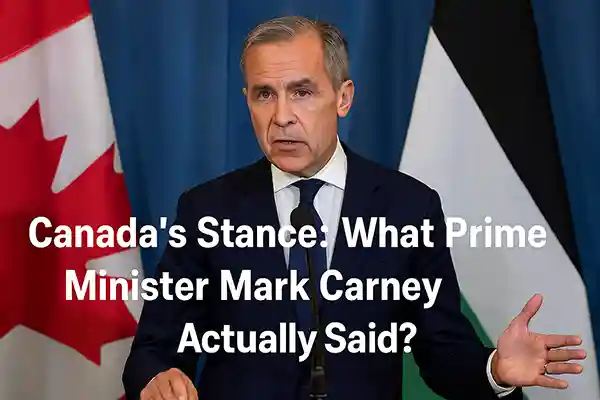
Image 4: Prime Minister Mark Carney addresses growing pressure to take a definitive stance on Palestinian statehood.
Click Here to Read WGF Blogs from World Leaders…
Why Elections Without Hamas? The Political Precondition.
Prime Minister Carney made clear that any recognition of Palestine must be tied to democratic legitimacy – a government elected through free and fair elections, without the involvement of Hamas, which is classified by Canada as a terrorist organisation.
This precondition stems from both Canada’s domestic security laws and broader concerns about accountability, extremism, and long-term stability. Carney also stated that he had personally spoken with Palestinian Authority President Mahmoud Abbas regarding the reforms needed.
However, critics argue that this requirement could exclude a large portion of the Palestinian population, particularly in Gaza, which is currently governed by Hamas and has not held elections since 2006.
Image 5: Canada’s recognition hinges on democratic reforms – demanding elections without Hamas to ensure a legitimate and peaceful Palestinian leadership.
Click Here to Watch Keynote Speeches and Interviews of World Leaders at WGF YouTube…
How Are New States Formally Recognized in the World?
Recognition of statehood is not governed by a single legal process but is shaped by international norms and diplomatic consensus. There are two main types:
- Bilateral Recognition: One country acknowledges another as a sovereign state (e.g., UK, France, Canada recognising Palestine).
- Multilateral Recognition: Through institutions like the United Nations, where a state can gain observer status or full membership.
To become a full UN member, a country must gain approval from the UN Security Council – where any permanent member, including the U.S., can veto. This has historically blocked Palestinian membership.
Still, widespread bilateral recognition can have significant diplomatic and symbolic power, influencing trade, diplomacy, and peace negotiations.
Image 6: State recognition is shaped by diplomacy, international law, and geopolitical interest – Canada’s move fits into a complex global framework.
Click Here to Watch WGF News on World Leaders at WGF TV…
Global Reactions and the Growing Momentum for Recognition
Canada’s announcement has added momentum to a growing international movement in favour of recognising Palestinian statehood. In the past two weeks alone, France, the UK, and now Canada have declared plans for formal recognition, creating a unified message among key Western allies.
However, the move has been met with sharp criticism from Israel. The Israeli Ministry of Foreign Affairs called it “a reward for Hamas” and claimed it would “harm efforts to achieve a ceasefire in Gaza.”
Within Canada, Conservative opposition leaders also voiced disapproval, arguing that recognising Palestine so soon after the October 7 attacks could send the wrong message.
Despite the backlash, the Canadian government maintains that the move is part of a long-overdue course correction in foreign policy – in line with humanitarian principles and international law.
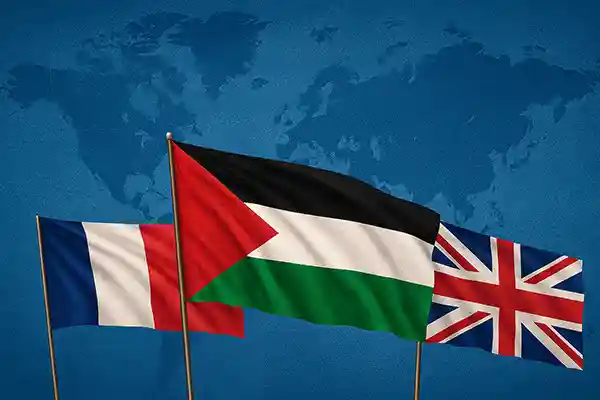
Image 7: From Europe to North America, a unified front emerges in favour of recognising Palestine as a sovereign state.
Click Here to Read What Is NATO…
What This Means for Israel–Palestine Peace Talks?
Recognition of Palestine by Canada, France, and the UK shifts the diplomatic landscape. It sends a clear signal: that continued occupation, violence, and political paralysis are no longer acceptable to much of the Western world.
This recognition may revive international efforts to broker peace by empowering moderate Palestinian leaders and increasing pressure on Israel to engage in negotiations.
Still, the road ahead is fraught with challenges – including deep internal divisions within Palestinian territories, Israel’s security concerns, and the United States’ continued reluctance to support full recognition without direct peace talks.
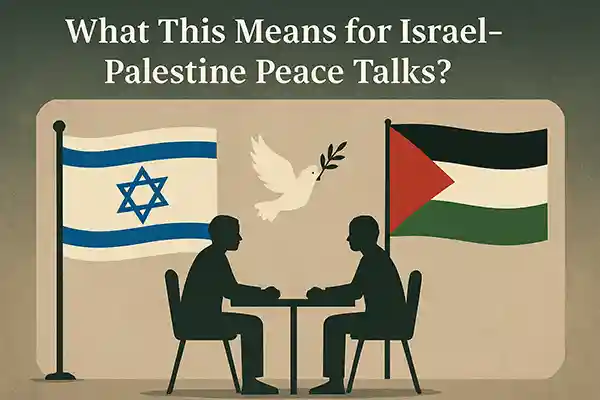
Image 8: Canada’s recognition plan could reshape peace negotiations, pressuring both Israeli and Palestinian leaders to re-engage with diplomacy.
Click Here to Read What Is Indian Premier League…
Final Thoughts: Is Recognition Without Conditions Even Possible?
Prime Minister Carney’s announcement reflects a strategic balance: supporting Palestinian statehood while demanding democratic accountability.
Unconditional recognition might risk legitimising undemocratic or militant rule, while too many conditions might render the gesture symbolic and ineffective.
As Canada prepares to bring its recognition before the UN in September, the world will be watching closely. The move could revitalise peace efforts – or deepen divides, depending on how other global powers, especially the United States and Israel, respond.
Image 9: The debate intensifies: Can recognition be granted without preconditions or concessions?
Follow World Growth Forums on the following for more updates…